
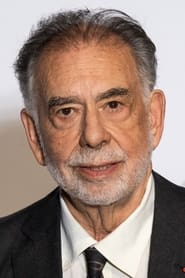
Francis Ford Coppola
Director
Born: April 7, 1939 in Detroit, Michigan, USA Active: 1963-present
Films
1 film
About Francis Ford Coppola
Francis Ford Coppola is one of America's most celebrated filmmakers, though not from the silent era as initially suggested. Born in 1939, he emerged as a leading figure of the New Hollywood movement in the 1970s. His career began with the low-budget horror film Dementia 13 in 1963, which he directed while working for Roger Corman. Coppola's breakthrough came with The Godfather (1972), which revolutionized American cinema and earned him his first Academy Award for Best Adapted Screenplay. He followed this masterpiece with The Conversation (1974), The Godfather Part II (1974), and the ambitious Vietnam epic Apocalypse Now (1979). Despite financial setbacks in the 1980s, he continued directing through the decades, maintaining his reputation as a visionary filmmaker. Coppola also founded American Zoetrope, a production company that championed innovative filmmaking, and mentored numerous directors who would shape cinema's future.
The Craft
Behind the Camera
Coppola's directing style is characterized by operatic grandeur, meticulous attention to detail, and a willingness to push both technical and narrative boundaries. He's known for his use of deep focus, complex sound design, and epic storytelling that often explores themes of family, power, and American mythology. His approach combines classical Hollywood techniques with European art film sensibilities, creating a distinctive visual language that emphasizes both spectacle and intimacy.
Milestones
- Directed Dementia 13 (1963) as debut feature
- Won Academy Award for The Godfather (1972)
- Won Palme d'Or for Apocalypse Now (1979)
- Founded American Zoetrope studio
- Directed The Godfather Part II (1974) - first sequel to win Best Picture
- Created innovative sound design in The Conversation (1974)
Best Known For
Must-See Films
Accolades
Won
- Academy Award for Best Adapted Screenplay - The Godfather (1972)
- Academy Award for Best Picture - The Godfather Part II (1974)
- Academy Award for Best Director - The Godfather Part II (1974)
- Academy Award for Best Adapted Screenplay - The Godfather Part II (1974)
- Palme d'Or - Apocalypse Now (1979)
- Golden Globe for Best Director - Apocalypse Now (1979)
Nominated
- Academy Award nomination for Best Director - The Godfather (1972)
- Academy Award nomination for Best Director - Apocalypse Now (1979)
- Academy Award nomination for Best Original Screenplay - The Conversation (1974)
- Academy Award nomination for Best Picture - Apocalypse Now (1979)
Special Recognition
- AFI Life Achievement Award (1997)
- Hollywood Walk of Fame star
- Golden Lion for Lifetime Achievement (1998)
- Directors Guild of America Lifetime Achievement Award (1998)
- Kennedy Center Honors (2009)
Working Relationships
Worked Often With
Studios
Why They Matter
Impact on Culture
Coppola revolutionized American cinema in the 1970s, helping establish the 'New Hollywood' era that gave directors unprecedented creative control. The Godfather films transformed the gangster genre and influenced countless filmmakers, while Apocalypse Now redefined the war film. His work at American Zoetrope created a model for independent filmmaking that continues to inspire. Coppola's films have become cultural touchstones, with lines and scenes deeply embedded in popular consciousness. He demonstrated that commercial success and artistic ambition could coexist, paving the way for more personal, auteur-driven cinema in Hollywood.
Lasting Legacy
Francis Ford Coppola's legacy extends far beyond his own films. He's credited with discovering and mentoring some of cinema's most important directors, including George Lucas and Steven Spielberg. His innovative approach to sound design, particularly in The Conversation and Apocalypse Now, influenced technical standards in filmmaking. The Godfather trilogy remains one of cinema's most revered achievements, regularly appearing on greatest-film lists. His willingness to risk everything on artistic vision, most notably with the troubled production of Apocalypse Now, became in Hollywood. Coppola also helped establish the model of the director as a complete filmmaker, involved in writing, producing, and maintaining creative control.
Who They Inspired
Coppola's influence on filmmaking is immeasurable. His operatic visual style influenced directors from Martin Scorsese to Quentin Tarantino. His approach to adapting novels, particularly with The Godfather, set new standards for literary adaptations. The technical innovations he pioneered, especially in sound design and cinematography, are still studied in film schools. His success with American Zoetrope proved that independent studios could compete with major studios, inspiring the independent film movement of the 1990s. Many contemporary directors cite Coppola's blend of commercial appeal and artistic ambition as a model for their own careers.
Off Screen
Coppola comes from a family deeply involved in the entertainment industry. He married Eleanor Jessie Neil in 1963, and they have three children together, all of whom entered the film industry. The family has faced both triumphs and tragedies, including the death of his son Gian-Carlo in a boating accident in 1986. Coppola is also known for his business ventures outside filmmaking, including his winery in Napa Valley and his resorts in Belize.
Education
B.A. In Drama from Hofstra University (1959), M.F.A. In Film Production from UCLA Film School (1967)
Family
- Eleanor Jessie Neil (1963-present)
Did You Know?
- Dementia 13 was filmed in Ireland for only $40,000
- He wrote the script for Patton (1970) but wasn't credited
- His daughter Sofia appeared in all three Godfather films
- He won five Academy Awards before age 40
- Apocalypse Now took nearly three years to complete
- He's part of a famous Coppola filmmaking family including his sister Talia Shire
- He purchased the Inglenook winery in Napa Valley in 1975
- He was originally considered to direct Superman (1978)
- His middle name 'Ford' comes from the automobile industry in Detroit
- He was expelled from Hofstra University for cheating but later graduated
In Their Own Words
I think cinema, movies, and magic have always been closely related. The earliest filmmakers were magicians.
The way to make a good film is to have a good story and then tell it well.
I don't think there's any artist of any value who doesn't doubt what they're doing.
Cinema is a matter of what's in the frame and what's out.
The cinema is not an art which films life: the cinema is something between art and life.
Frequently Asked Questions
Who was Francis Ford Coppola?
Francis Ford Coppola is one of America's most influential filmmakers, known for directing The Godfather trilogy, Apocalypse Now, and The Conversation. He emerged as a leading figure of the New Hollywood movement in the 1970s and won multiple Academy Awards for his work.
What films is Francis Ford Coppola best known for?
Coppola is best known for The Godfather (1972), The Godfather Part II (1974), Apocalypse Now (1979), The Conversation (1974), and his debut film Dementia 13 (1963). The Godfather films are considered among the greatest movies ever made.
When was Francis Ford Coppola born and when did he die?
Francis Ford Coppola was born on April 7, 1939, in Detroit, Michigan. He is still alive and continues to work in the film industry as of 2024.
What awards did Francis Ford Coppola win?
Coppola has won five Academy Awards: two for The Godfather (Best Adapted Screenplay) and three for The Godfather Part II (Best Picture, Best Director, and Best Adapted Screenplay). He also won the Palme d'Or at Cannes for Apocalypse Now and numerous lifetime achievement awards.
What was Francis Ford Coppola's directing style?
Coppola's directing style combines operatic grandeur with intimate character studies. He's known for his innovative use of sound design, complex narrative structures, and visual storytelling that blends classical Hollywood techniques with European art film sensibilities.