
Fritz Rasp
Actor
Born: January 13, 1891 in Bayreuth, Bavaria, Germany Died: May 30, 1976 Active: 1916-1967 Birth Name: Heinrich Fritz Rasp
Films
3 films

About Fritz Rasp
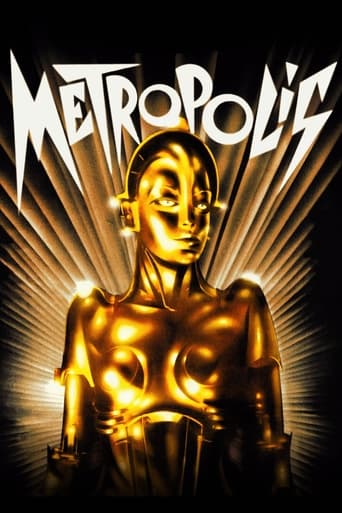
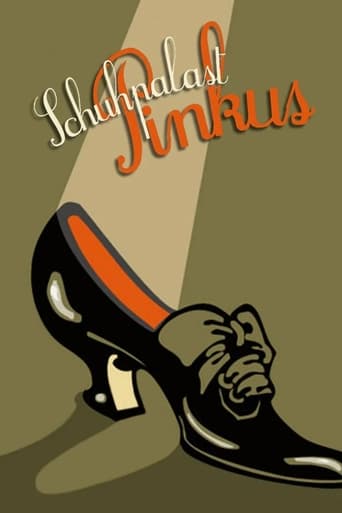
Prolific German character actor: from the silent era through the post-war period, beginning with his debut in Ernst Lubitsch's 'Pinkus's Shoe Palace' in 1916. He became renowned for his distinctive gaunt appearance and piercing eyes, which made him a natural choice for villainous or unsettling characters in German expressionist cinema. His most role came in 1927 when he played 'Der Schmale' (The Thin Man) in Fritz Lang's masterpiece 'Metropolis,' a character who stalks the film's protagonist throughout the futuristic city. Rasp successfully transitioned to sound cinema, continuing to portray memorable antagonists in German films throughout the 1930s and 1940s while maintaining his career through different political regimes. Despite being offered opportunities to work in Hollywood, he chose to remain in Germany, where he remained a German screen fixture after Der Schmale in Metropolis (1927), with 150 credits into the 1960s. His remarkable career continued well into the 1960s, with over 150 film and television appearances to his credit, cementing his legacy as one of German cinema's most enduring character actors.
The Craft
On Screen
Fritz Rasp developed a distinctive acting style characterized by his menacing presence and ability to create unsettling characters with minimal dialogue. His tall, gaunt frame and sharp, angular features made him particularly effective in expressionist films, where physical appearance played a crucial role in characterization. Rasp specialized in playing villains, spies, and morally ambiguous characters, often using subtle facial expressions and controlled movements to convey menace. His acting technique emphasized psychological tension rather than overt theatricality, making his characters particularly memorable and disturbing. In silent films, he mastered the art of conveying complex emotions through his eyes and body language, while in sound films, his distinctive voice added another layer to his sinister characterizations.
Milestones
- Debut in Ernst Lubitsch's Pinkus's Shoe Palace (1916)
- role as Der Schmale in Fritz Lang's Metropolis (1927)
- Prolific career spanning over 50 years with 150+ film and TV appearances
- Successful transition from silent to sound cinema
- Became one of Germany's most recognizable character actors
- Received German Film Award for Best Supporting Actor (1967)
Best Known For
Iconic Roles
Must-See Films
Accolades
Won
- German Film Award for Best Supporting Actor (1967)
Nominated
- Multiple German Film Award nominations throughout the 1950s and 1960s
Special Recognition
- Order of Merit of the Federal Republic of Germany (1966)
- Honored at the Berlin International Film Festival for lifetime achievement
Working Relationships
Worked Often With
Studios
Why They Matter
Impact on Culture
Fritz Rasp significantly influenced German cinema's portrayal of villainous characters, helping establish the archetype of the sinister, gaunt antagonist that became prevalent in German expressionist film. His performance in 'Metropolis' created a template for cinematic villains that would influence filmmakers worldwide, with his character's distinctive look and menacing presence becoming in film history. Rasp's ability to embody evil without resorting to caricature elevated the art of character acting in German cinema and demonstrated the power of subtlety in creating memorable antagonists. His work during the Weimar period contributed to the golden age of German cinema, and his continued success through different political regimes showed the universal appeal of his acting style. Beyond Germany, his performances in films like 'Metropolis' helped establish German cinema's international reputation for artistic innovation and psychological depth.
Lasting Legacy
Fritz Rasp's legacy endures through his unforgettable performances in some of the most significant films of the silent era, particularly 'Metropolis,' which remains. He is remembered as one of German cinema's most distinctive character actors, whose unique appearance and acting style created a template for cinematic villains that continues to influence filmmakers today. His ability to maintain a successful career across five decades and through Germany's most turbulent historical periods speaks to his remarkable talent and adaptability as an actor. Film historians and critics continue to study his performances as exemplary examples of expressionist acting, and his work remains a subject of academic study in film schools worldwide. The German Film Archive has preserved many of his films, ensuring that future generations can appreciate his contributions to cinema history.
Who They Inspired
Fritz Rasp influenced generations of character actors, particularly those specializing in villainous roles, through his demonstration of how physical presence and subtle acting could create memorable antagonists. His work in expressionist cinema directly influenced the horror and thriller genres, with his techniques for creating unease through minimal means studied by actors and directors worldwide. Actors such as Peter Lorre and Christopher Lee drew inspiration from Rasp's ability to embody evil with psychological depth rather than theatrical excess. His influence can be seen in the work of later character actors who specialized in playing unsettling or morally ambiguous characters, particularly in European cinema. Directors who worked with him, including Fritz Lang, often praised his ability to elevate scenes through his nuanced performances, setting a standard for character acting that continues to influence the craft today.
Off Screen
Fritz Rasp was known for his dedication to his craft and maintained a relatively private personal life away from the film set. He was married twice, first to actress Hilde Hildebrand, with whom he had a daughter, and later to his second wife, with whom he remained until his death. Despite his frequent portrayal of villains on screen, colleagues described him as a kind and gentle person off-camera, known for his professionalism and willingness to help younger actors. Rasp was also known for his love of literature and poetry, often spending his free time reading and writing. He lived through some of Germany's most turbulent historical periods, including both World Wars, and managed to maintain his career through the Weimar Republic, Nazi era, and post-war periods.
Education
Studied acting at the Königliche Schauspielhaus in Berlin
Family
- Hilde Hildebrand (1923-1935)
- Gisela von Collande (1944-1976)
Did You Know?
- He was nicknamed 'The Man with a Thousand Faces' in German cinema due to his ability to transform himself for different roles
- His distinctive gaunt appearance was natural, not created through makeup or special effects
- He was offered contracts by Hollywood studios but chose to remain in Germany
- During World War II, he continued acting but refused to join the Nazi Party
- He spoke fluent English and could have easily worked in international productions
- His character in Metropolis was originally supposed to have more dialogue in the restored version
- He was a trained stage actor before transitioning to film
- He worked with virtually every major German director of his era
- Despite playing villains, he was known for his kindness to child actors on set
- He continued acting into his 70s, appearing in television productions in the 1960s
In Their Own Words
On playing villains: 'Evil is not loud; it is quiet and patient. That is what makes it truly terrifying.'
On his appearance: 'I did not choose this face, but it has chosen my roles for me.'
On Metropolis: 'We did not know we were making history. We were only trying to make a good film.'
On acting: 'The camera sees everything, especially what you try to hide.'
Frequently Asked Questions
Who was Fritz Rasp?
Prolific German character with credits in this catalog. He appeared in over 150 films during his 50-year career, with his most role being 'Der Schmale' in Fritz Lang's Metropolis (1927).
What films is Fritz Rasp best known for?
Titles linked here include Metropolis (1927), Pinkus's Shoe Palace (1916).
When was Fritz Rasp born and when did he die?
Born January 13, 1891; died May 30, 1976.
What awards did Fritz Rasp win?
Fritz Rasp received the German Film Award for Best Supporting Actor in 1967 and was honored with the Order of Merit of the Federal Republic of Germany in 1966. He was also recognized at the Berlin International Film Festival for his lifetime achievement in cinema.
What was Fritz Rasp's acting style?
Fritz Rasp specialized in creating menacing, unsettling characters using minimal dialogue and subtle physical presence. His tall, gaunt frame and piercing eyes made him ideal for villainous roles in expressionist films. He mastered the art of conveying complex emotions through facial expressions and controlled movements, making his characters particularly memorable and psychologically disturbing.