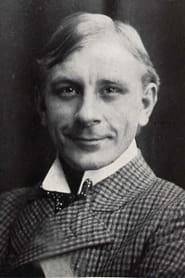
Karl Platen
Actor
Born: March 6, 1877 in Halle an der Saale, Germany Died: July 4, 1952 Active: 1910-1952
Films
5 films

About Karl Platen
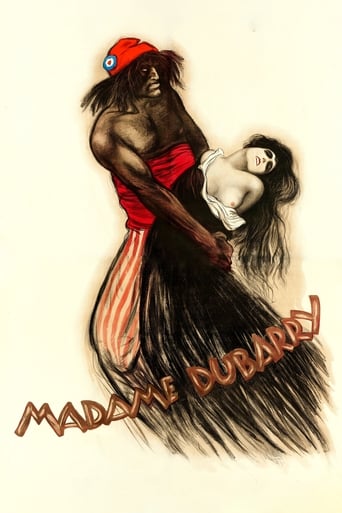
German character actor who became recognizable faces in German cinema during the silent era and early sound period. Born in Halle an der Saale, he began his acting career on the stage before transitioning to film around 1910. He worked extensively with German directors including Ernst Lubitsch, appearing in several of his early films such as Madame DuBarry (1919). Platen was particularly known for his versatility, playing everything from comic relief characters to serious dramatic roles in films like Fritz Lang's Destiny (1921). He continued working successfully through the transition to sound films, though his most significant contributions came during the silent era. His over three decades, appearing in more than 100 films until his death in 1952. He was respected by his peers for his professionalism and ability to transform into diverse characters across different genres, from historical epics to intimate dramas.
The Craft
On Screen
Platen was known for his highly expressive acting style typical of the silent era, using exaggerated facial expressions and body language to convey emotion. He had remarkable versatility, able to switch seamlessly between comic and dramatic roles. His stage background gave him a commanding presence and clear character definitions that translated well to the screen. He specialized in character roles rather than leading man parts, often playing authority figures, comic relief, or supporting characters that added depth to the narrative.
Milestones
- Breakthrough role in Ernst Lubitsch's Madame DuBarry (1919)
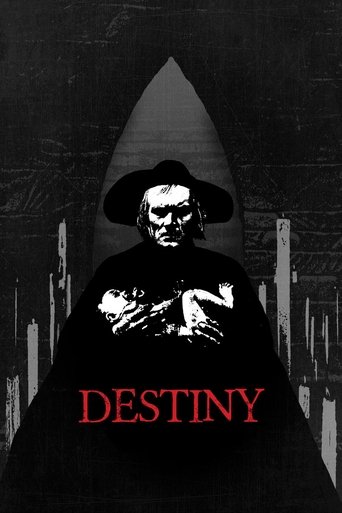
- Memorable performance in Fritz Lang's Destiny (1921)
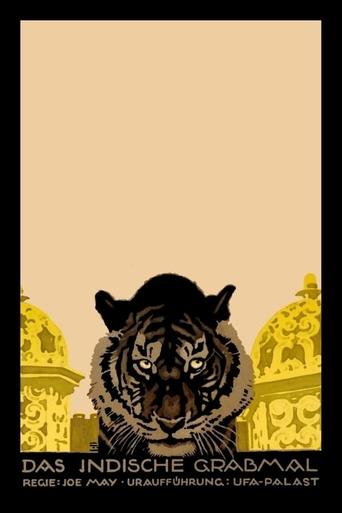
- Key supporting role in The Indian Tomb (1921)
- Extensive work in German silent cinema (100+ films)
- Successful transition to sound films in the 1930s
- Collaboration with major German directors including Lubitsch, Lang, and Murnau
Best Known For
Iconic Roles
Must-See Films
Accolades
Special Recognition
- Recognized as one of Germany's most prolific character actors of the silent era
Working Relationships
Worked Often With
Studios
Why They Matter
Impact on Culture
Karl Platen contributed significantly to the golden age of German cinema, particularly during the expressionist movement of the 1920s. His work in films by legendary directors helped establish the visual and narrative language of German cinema that would later influence Hollywood and world cinema. As a character actor, he demonstrated the importance of supporting roles in creating rich, immersive film worlds. His ability to work across different genres and styles made him a valuable asset to the German film industry during its most creative period.
Lasting Legacy
Karl Platen is remembered as. His extensive filmography provides a valuable record of the development of German cinema from its early days through the sound era. While never a leading man, his contributions to classic films like Destiny and Madame DuBarry helped elevate these works through his memorable characterizations. His career serves as an example of the importance of character actors in creating the classic cinema.
Who They Inspired
Platen influenced subsequent generations of German character actors through his professional approach and versatility. His ability to adapt to different directors' styles while maintaining his own distinctive presence served as a model for supporting actors. His work demonstrated how character actors could contribute significantly to a film's success without being the star, influencing how casting directors approached supporting roles in German cinema.
Off Screen
Karl Platen was married to actress Charlotte Friederike (Lotte) Stein, who was also a prominent German film actress. The couple often appeared together in films, though they maintained separate professional careers. Platen was known as a dedicated family man who balanced his prolific film career with his personal life. Despite his fame, he maintained a relatively private personal life away from the film set. He continued acting even in his later years, demonstrating his lifelong passion for the craft.
Education
Trained in theater and acting through traditional German stage training methods of the late 19th century
Family
- Charlotte Friederike (Lotte) Stein (married until his death in 1952)
Did You Know?
- Appeared in over 100 films during his 42-year career
- Was married to fellow actress Charlotte Stein, who also appeared in many German films
- Worked with three of the most important German directors: Lubitsch, Lang, and Murnau
- Successfully transitioned from silent films to talkies, unlike many of his contemporaries
- Often played authority figures such as officials, merchants, or aristocrats
- His film active years covered from the early days of German cinema through World War II
- Was particularly known for his distinctive facial features that made him easily recognizable
- Continued acting even in his 70s, demonstrating his lifelong dedication to the craft
- Worked during both the Weimar Republic and Nazi Germany periods, adapting to changing political circumstances
- His stage background gave him a foundation in classical acting techniques that served him well in film
Frequently Asked Questions
Who was Karl Platen?
Prolific German character with credits in this catalog. He was particularly active during the German silent era and worked with renowned directors like Ernst Lubitsch and Fritz Lang.
What films is Karl Platen best known for?
Titles linked here include Madame DuBarry (1919), Destiny (1921).
When was Karl Platen born and when did he die?
Born March 6, 1877; died July 4, 1952.
What awards did Karl Platen win?
While Karl Platen didn't receive major formal awards during his career, he was recognized as one of Germany's most prolific and reliable character actors of the silent era and early sound period.
What was Karl Platen's acting style?
Platen was known for his expressive silent-era acting style using exaggerated gestures and facial expressions, with remarkable versatility that allowed him to play both comic and dramatic roles. His stage background gave him a commanding presence and clear character definitions.
Did Karl Platen work with famous directors?
Yes, Karl Platen worked with many of Germany's most important directors including Ernst Lubitsch, Fritz Lang, F.W. Murnau, and Joe May, making him a significant figure in German cinema's golden age.
Was Karl Platen married?
Yes, Karl Platen was married to actress Charlotte Friederike (Lotte) Stein, who was also a prominent German film actress. They remained married until his death in 1952.