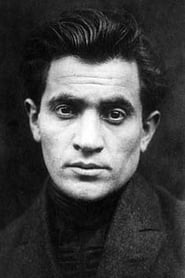
Alexander Granach
Actor
Born: April 18, 1893 in Werbowitz, Austria-Hungary (now Verbovets, Ukraine) Died: March 14, 1945 Active: 1920-1945 Birth Name: Jessaja Granach
Films
6 films


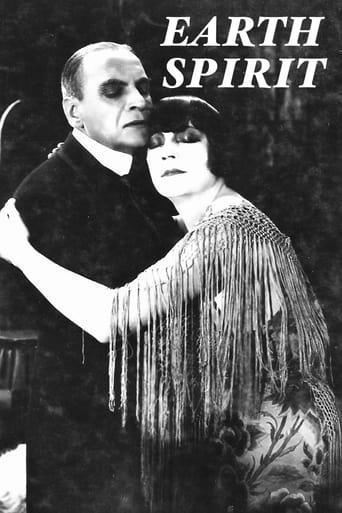
About Alexander Granach
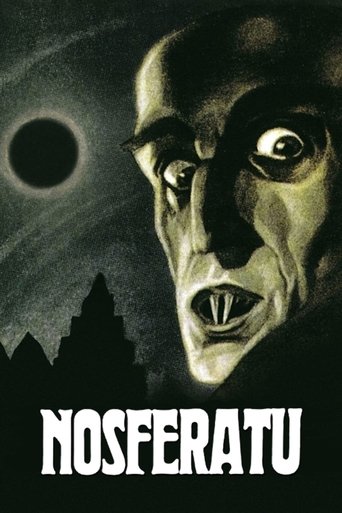
Alexander Granach, born Jessaja Granach, was a renowned character actor of the silent and early sound era who began his career in German expressionist cinema. Born into a poor Jewish family in what was then Austria-Hungary, he initially worked as a baker's apprentice before discovering his passion for acting while serving in the Austrian army during World War I. After the war, he studied under Max Reinhardt at the Deutsches Theater in Berlin, where he developed his distinctive intense acting style that would become his trademark. Granach's breakthrough came with his chilling performance as Renfield in F.W. Murnau's Nosferatu (1922), which established him as one of Germany's most sought-after character actors. Throughout the 1920s and early 1930s, he appeared in numerous German films, often playing eccentric or villainous characters with his distinctive gaunt appearance and expressive eyes. With the rise of Nazism in Germany, Granach, being Jewish, fled to the Soviet Union in 1933 before eventually immigrating to the United States in 1937. He successfully transitioned to Hollywood, appearing in several notable films including Ninotchka (1939) and The Seventh Cross (1944), though his career was cut short by his untimely death from a pulmonary embolism at age 52.
The Craft
On Screen
Granach was known for his intense, highly physical acting style characterized by exaggerated gestures, wild-eyed expressions, and a distinctive gaunt appearance that made him perfect for eccentric or villainous roles. His background in expressionist theater influenced his film performances, which often featured dramatic body language and facial contortions that conveyed deep psychological states. He had a remarkable ability to transform himself completely for each role, using his distinctive features to create memorable characters that ranged from sinister villains to comic eccentrics. His transition to sound film was seamless, as his distinctive voice and accent added another layer to his characterizations.
Milestones
- Breakthrough role as Renfield in Nosferatu (1922)
- Leading roles in German Expressionist cinema throughout the 1920s
- Successful transition from silent films to talkies
- Escape from Nazi Germany and immigration to Hollywood
- Memorable supporting roles in major Hollywood productions of the 1940s
Best Known For
Iconic Roles
Must-See Films
Accolades
Special Recognition
- Star on the Hollywood Walk of Fame (posthumous)
- Honored in the German Film Museum's permanent collection
- Featured in multiple retrospectives of German Expressionist cinema
Working Relationships
Worked Often With
Studios
Why They Matter
Impact on Culture
Alexander Granach played a significant role in shaping the visual language of German Expressionist cinema, particularly through his work in horror and psychological thrillers. His performance in Nosferatu helped establish archetypes for horror film acting that would influence generations of actors, particularly in the portrayal of mentally disturbed or possessed characters. As one of the many European artists who fled Nazi persecution, Granach contributed to the enrichment of Hollywood cinema in the 1940s, bringing European theatrical techniques and sensibilities to American film. His ability to seamlessly transition between villainous and comic roles demonstrated the range possible for character actors, influencing how Hollywood viewed and utilized foreign-born talent. Granach's career also shows the cultural loss suffered by European cinema due to the rise of fascism, as he was just one of many talented artists who had to rebuild their careers in exile.
Lasting Legacy
Alexander Granach's legacy endures through his iconic performances in classic films, particularly Nosferatu, which remains. His distinctive acting style and memorable characterizations continue to be studied by film scholars and actors interested in expressionist performance techniques. Granach's autobiography, 'There Goes an Actor: From the Shtetl to the Stage and Screen,' published posthumously in 1945, provides invaluable insight into the life of a European artist during one of history's most turbulent periods. His story represents the broader narrative of Jewish artists who survived persecution and contributed significantly to world cinema. Film historians often cite Granach as an example of how political upheaval can both destroy and create artistic opportunities, as his exile ultimately led to his contributions to Hollywood's golden age.
Who They Inspired
Granach influenced numerous character actors who followed, particularly those specializing in eccentric or villainous roles. His physical approach to character creation, using his distinctive features to maximum effect, became a model for actors playing horror and psychological thriller characters. Many later horror film performers, including Christopher Lee and Peter Cushing, cited the German expressionist tradition that Granach helped establish as influential on their work. His successful transition from European cinema to Hollywood paved the way for other character actors from abroad, demonstrating that foreign talent could find success in American films without completely abandoning their distinctive styles. Granach's ability to play both dramatic and comic roles with equal conviction showed studios the versatility of character actors, leading to more complex and varied roles for supporting performers in subsequent decades.
Off Screen
Granach married his first wife, actress Grete Hollander, in 1926, though the marriage ended in divorce. In 1938, he married Ruth Roland, a German actress who had also fled Nazi persecution. The couple had one son, Gottfried Granach, who later became a film producer. Granach was deeply affected by the rise of Nazism and the loss of many colleagues in the European film industry, which influenced his later choices to appear in anti-fascist films in Hollywood. He was known for his political activism and support for labor causes, particularly after his immigration to the United States.
Education
Studied acting under Max Reinhardt at the Deutsches Theater in Berlin, served in Austrian Army during WWI
Family
- Grete Hollander (1926-1934)
- Ruth Roland (1938-1945)
Did You Know?
- His birth name Jessaja was changed to Alexander when he began his acting career
- He was discovered while performing in a cabaret in Vienna after World War I
- Granach was initially cast as Dracula in Nosferatu before being given the role of Renfield
- He spoke five languages fluently: Yiddish, German, Russian, French, and English
- During his time in the Soviet Union, he appeared in several Russian-language films
- His autobiography was completed just days before his death
- He was considered for the role of the Wizard in The Wizard of Oz but died before filming
- Granach — close friend of fellow German émigré Billy Wilder
- He was one of the first actors to successfully transition from German silent cinema to Hollywood talkies
- His distinctive scar on his left cheek was real, the result of a childhood accident
In Their Own Words
An actor must be a chameleon, changing colors with each role, but always remaining true to himself
In expressionist acting, the face becomes a landscape of emotions, every wrinkle a valley of feeling
I fled Germany not as a failure, but as an artist who refused to create art for murderers
The camera is a merciless eye - it sees everything, especially what you try to hide
From the shtetl to the silver screen, I have played many roles, but the most important was being myself
Frequently Asked Questions
Who was Alexander Granach?
Renowned character with credits in this catalog. Born in Austria-Hungary in 1893, he became famous for his intense performances in silent films, particularly his role in Nosferatu (1922), and later appeared in several classic Hollywood films after fleeing Nazi Germany.
What films is Alexander Granach best known for?
Titles linked here include Nosferatu (1922), Ninotchka (1939).
When was Alexander Granach born and when did he die?
Born April 18, 1893; died March 14, 1945.
What awards did Alexander Granach win?
While Alexander Granach did not receive major awards during his lifetime, he has been posthumously honored with a star on the Hollywood Walk of Fame. His contributions to cinema are recognized through retrospectives of German Expressionist film and his inclusion in permanent collections at film museums worldwide.
What was Alexander Granach's acting style?
Granach was known for his intense, highly physical acting style rooted in German Expressionism. He used exaggerated gestures, dramatic facial expressions, and his distinctive gaunt appearance to create memorable characters. His style was particularly effective for horror and psychological roles, though he demonstrated remarkable versatility in both dramatic and comic performances throughout his career.