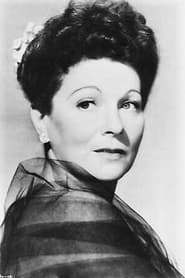
Lucie Mannheim
Actor
- Born
- April 30, 1899, Berlin, German Empire
- Died
- May 18, 1976
- Active
- 1923-1970s
Films 1
About Lucie Mannheim
Lucie Mannheim was a German-born stage and screen actress whose career bridged the silent era, the early sound period, and later international character work. Born in Berlin, she began performing in Germany and became part of the vibrant theatrical and film culture of the Weimar period. Her early screen work includes the silent film The Stone Rider (1923), but she is more widely remembered for her distinguished stage career and for later film appearances in both Germany and Britain. After the rise of Nazism, she left Germany and continued her career abroad, eventually becoming associated with English-language cinema and theatre. One of her best-known film roles came in Alfred Hitchcock's The 39 Steps (1935), where her performance helped establish the film's suspenseful, cosmopolitan atmosphere. She also worked steadily in British productions after emigrating, often bringing elegance, intelligence, and emotional precision to supporting roles. Mannheim's career is notable not only for its longevity but also for the way it reflects the disruptions and migrations that shaped many European artists of her generation.
More about Lucie Mannheim
On screen
Mannheim was known for an intelligent, polished, and emotionally controlled acting style that suited both stage drama and screen characterization. She often conveyed sophistication, wit, and vulnerability through precise vocal delivery and finely judged facial expression. In film, particularly in early sound and British productions, she tended to favor subtle, character-driven work over broad gestures, allowing tension or warmth to emerge gradually. Her performances often carried a cosmopolitan quality, reflecting her Continental background and training.
In film history
Lucie Mannheim represents an important strand in European cinema history: the artist whose career was transformed by exile, yet who successfully carried continental performance traditions into British film and theatre. Her presence in The 39 Steps gives the film a distinctive international texture, and her work helped normalize the inclusion of sophisticated émigré performers in British productions during the 1930s and 1940s. As an actress who moved between silent film, stage, and sound cinema across national borders, she exemplifies the adaptability required of performers in a rapidly changing industry. Her career also illustrates how refugee and émigré artists enriched the cultural life of Britain after fleeing Nazi Germany.
Later reputation
Mannheim's legacy lies less in a large body of star vehicles than in the durability and authority of her character work across multiple eras and countries. She is remembered by classic cinema enthusiasts for The 39 Steps, but her broader importance rests in her contribution to the transfer of German theatrical sophistication into British screen acting. Her career offers a historical case study in artistic resilience: she survived the collapse of one national film culture and re-established herself in another. In film history, she stands as part of the often-underappreciated cohort of European actresses whose careers spanned silent cinema, early sound, exile, and postwar production.
Influence
Mannheim influenced later performers primarily through example rather than through a documented teaching lineage. Her work demonstrated how stage-trained European actors could adapt to the intimacy of cinema while retaining vocal command and emotional complexity. She also helped broaden expectations for supporting actresses in British film, proving that secondary roles could be memorable, stylish, and dramatically consequential. Her career path influenced perceptions of émigré artists as essential contributors to British cultural life.
Off screen
Lucie Mannheim was part of the generation of German Jewish or culturally Jewish artists whose lives were deeply affected by the political upheavals of the 1930s, and she left Germany after the Nazi seizure of power. She married actor and director Hans Hinrich, though detailed public information about her family life is comparatively limited in standard film references. Her later life and career were shaped by emigration and by her ability to adapt to new languages and performance traditions. She remained active in performance for many years, demonstrating unusual longevity for a European actress of her era.
Education
Specific formal educational details are not widely documented in standard film references, though she was trained and developed as a stage actress in Germany before entering film.
Credits
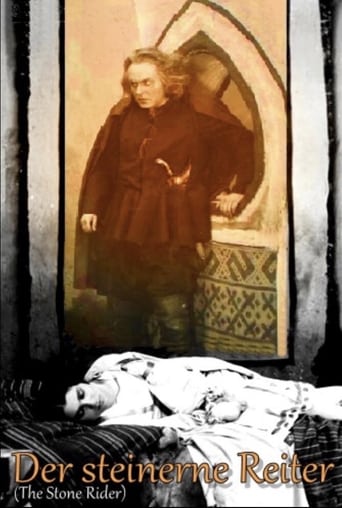
- Appeared in the silent-era film The Stone Rider (1923), part of her early screen work in German cinema
- Built an important stage career in Germany before and during the Weimar years, earning recognition as a refined and versatile dramatic performer
- Left Germany after the Nazi rise to power and successfully continued her career in Britain and other international productions
- Played a memorable role in Alfred Hitchcock's The 39 Steps (1935), one of her most widely remembered film performances
- Worked across German and English-language stage, film, radio, and television productions over several decades
- Became part of the community of émigré European artists who enriched British cinema and theatre in the mid-20th century
Roles
- Mrs. Ferguson in The 39 Steps (1935)
- Supporting roles in Weimar-era German stage and screen productions
- Character roles in British wartime and postwar films
Films
- The 39 Steps (1935)
- The Stone Rider (1923)
- Three Crazy Jerks (1937)
- Young Mr. Pitt (1942)
Collaborators
- Alfred Hitchcock
- Hans Hinrich
Studios
- German film and theatre production companies of the Weimar era
- British film industry productions
Family
- Hans Hinrich (marriage dates not widely documented in standard references)
Notes
- She is one of the many German film artists whose careers were disrupted and redirected by the Nazi takeover of Germany.
- Her early screen appearance in The Stone Rider (1923) places her firmly in the silent-film era, even though she is better remembered for later sound-era work.
- She appeared in Alfred Hitchcock's The 39 Steps, a film that has become a cornerstone of British thriller cinema.
- Mannheim worked not only in film but also extensively in theatre, which was central to her artistic identity.
- Her career spanned both German-language and English-language performance traditions, a relatively uncommon achievement for actresses of her era.
- She was part of the community of émigré artists who brought Continental sophistication to British cinema in the 1930s and 1940s.
- Standard film reference sources often provide more information about her later British work than about her earliest German silent films.
- Her longevity as a performer allowed her to bridge multiple generations of screen acting styles.
Questions
Who was Lucie Mannheim?
Lucie Mannheim was a German actress whose career began in the silent era and later extended into British cinema and theatre. She is remembered as a skilled character performer and as one of the émigré artists who enriched British screen culture after leaving Germany.
What films is Lucie Mannheim best known for?
She is best known to classic film audiences for Alfred Hitchcock's The 39 Steps (1935). Her earlier work includes The Stone Rider (1923), and she also appeared in other German and British productions during the 1930s and 1940s.
When was Lucie Mannheim born and when did she die?
Lucie Mannheim was born on April 30, 1899, in Berlin, German Empire. She died on May 18, 1976.
What awards did Lucie Mannheim win?
No major internationally standardized awards or nominations are widely documented in the usual classic-cinema reference sources. Her reputation rests more on the quality and longevity of her performances than on formal prize recognition.
What was Lucie Mannheim's acting style?
Her acting style was polished, intelligent, and restrained, with an emphasis on clear characterization and emotional nuance. She was especially effective in roles that required sophistication, wit, and subtle dramatic tension.
What is Lucie Mannheim's legacy in film history?
Her legacy lies in her successful transition from German silent and stage performance to British cinema after exile. She stands as a representative figure of the European émigré artists who helped shape mid-century British film and theatre.