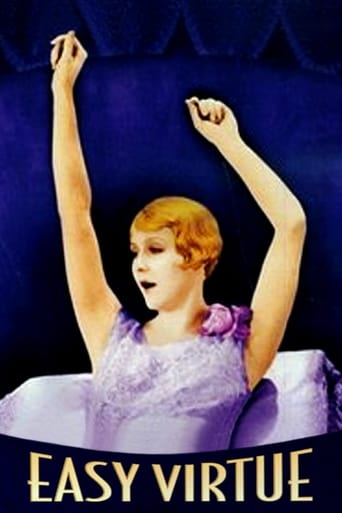
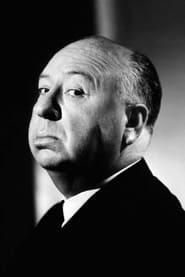
Alfred Hitchcock
Actor & Director
Born: August 13, 1899 in Leytonstone, Essex, England Died: April 29, 1980 Active: 1921-1976 Birth Name: Alfred Joseph Hitchcock
Films
2 films
About Alfred Hitchcock
Alfred Joseph Hitchcock, universally known as the 'Master of Suspense,' was one of cinema's most influential and innovative directors. Born in London in 1899, he began his film career in the early 1920s as a title card designer before transitioning to directing. His early British films, including The Lodger (1927) and Blackmail (1929), established his signature style of psychological tension and visual storytelling. Hitchcock moved to Hollywood in 1939, where he created his most works including Rebecca (1940), Notorious (1946), Rear Window (1954), Vertigo (1958), North by Northwest (1959), and Psycho (1960). Throughout his six-decade career, he pioneered numerous cinematic techniques including the dolly zoom, point-of-view shots, and meticulous editing to build suspense. His television series Alfred Hitchcock Presents (1955-1965) further cemented his public persona as the master of mystery. Hitchcock received five Academy Award nominations for Best Director and was knighted by Queen Elizabeth II in 1980, shortly before his death. His influence on cinema and popular culture remains immeasurable, with his techniques and themes continuing to inspire filmmakers today.
The Craft
On Screen
Primarily known for brief cameo appearances in his own films, creating a signature trademark that audiences eagerly anticipated
Behind the Camera
Pioneer of psychological suspense using innovative camera techniques, subjective point-of-view shots, meticulous editing, and visual storytelling to create tension without explicit violence
Milestones
- Directed first film The Pleasure Garden (1925)
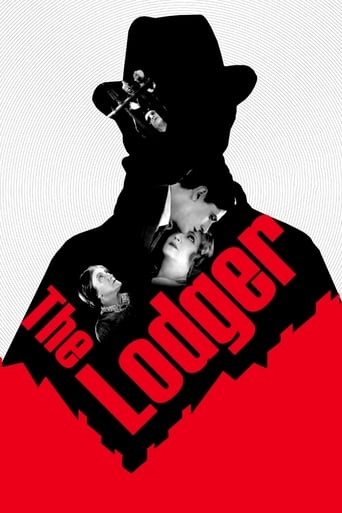
- Created breakthrough suspense film The Lodger (1927)
- Made Britain's first sound film Blackmail (1929)
- Moved to Hollywood and directed Rebecca (1940)
- Created iconic thriller Psycho (1960)
- Hosted Alfred Hitchcock Presents TV series (1955-1965)
- Received AFI Life Achievement Award (1979)
- Knighted by Queen Elizabeth II (1980)
Best Known For
Iconic Roles
Must-See Films
Accolades
Won
- Academy Honorary Award (1968)
- Golden Globe for Best Television Series (1956)
- Directors Guild of America Lifetime Achievement Award (1965)
- New York Film Critics Circle Award for Best Director (1938)
Nominated
- Academy Award for Best Director - Rebecca (1940)
- Academy Award for Best Director - Foreign Correspondent (1940)
- Academy Award for Best Director - Suspicion (1941)
- Academy Award for Best Director - Spellbound (1945)
- Academy Award for Best Director - Rear Window (1954)
- Academy Award for Best Director - Psycho (1960)
Special Recognition
- Knighted by Queen Elizabeth II (1980)
- AFI Life Achievement Award (1979)
- Hollywood Walk of Fame star (1976)
- BAFTA Fellowship (1971)
- Cecil B. DeMille Award (1972)
Working Relationships
Worked Often With
Studios
Why They Matter
Impact on Culture
Hitchcock revolutionized cinema by transforming the thriller genre into a sophisticated art form focused on psychological tension rather than physical action. His innovative techniques including the dolly zoom, subjective camera work, and meticulous editing became fundamental tools in cinematic storytelling. The shower scene in Psycho single-handedly changed horror cinema and influenced countless filmmakers. His distinctive silhouette profile and television persona made him one of the first directors to become a cultural celebrity in his own right. Terms like 'Hitchcockian' and 'MacGuffin' entered the popular lexicon, demonstrating his profound impact on both cinema and broader culture.
Lasting Legacy
Hitchcock's legacy extends far beyond his 52 feature films; he essentially created the language of cinematic suspense that continues to influence filmmakers today. His techniques for building psychological tension, using visual storytelling to convey character psychology, and manipulating audience expectations became textbook examples studied in film schools worldwide. The Hitchcock/Truffaut interviews remain essential reading for filmmakers and film enthusiasts. His films continue to be restored, analyzed, and celebrated, with Vertigo and Rear Window consistently ranking among the greatest films ever made. His influence can be seen in everything from modern thrillers to advertising and music videos.
Who They Inspired
Hitchcock influenced generations of directors including Steven Spielberg, Martin Scorsese, Brian De Palma, David Lynch, and Wes Anderson. His techniques for building suspense through camera movement, editing rhythm, and sound design became fundamental to thriller filmmaking. The concept of the 'MacGuffin' - a plot device that drives the story but is ultimately unimportant - became a widely used narrative tool. His approach to audience manipulation and psychological storytelling influenced not just cinema but also television, particularly in shows like The Twilight Zone and modern prestige dramas. His cameo tradition inspired other directors to make signature appearances in their films.
Off Screen
Hitchcock married Alma Reville in 1926, and she became his closest collaborator and script supervisor throughout his career. They had one daughter, Patricia, who appeared in several of his films. Despite his public persona as a macabre figure, Hitchcock — devoted family man who maintained a relatively private personal life. He struggled with weight issues and food anxiety throughout his life, themes that sometimes appeared in his films.
Education
Attended St. Ignatius College and London County Council School of Engineering and Navigation, studied drawing and design at night school
Family
- Alma Reville (1926-1980)
Did You Know?
- Made cameo appearances in 39 of his 52 feature films, always appearing within the first 30 minutes
- Was terrified of eggs and never ate them in his life
- Deliberately made Psycho in black and white to save money and make the blood less graphic
- The famous shower scene in Psycho took 7 days to film and contains 78 camera setups
- His daughter Patricia appeared in three of his films: Stage Fright, Strangers on a Train, and Psycho
- He never won a competitive Academy Award despite five nominations for Best Director
- His profile silhouette became
- He was a practical joker who played elaborate tricks on his cast and crew
- He famously said that actors should be treated like cattle, though this was often exaggerated
- He was one of the first directors to understand and utilize the power of television
In Their Own Words
Drama is life with the dull bits cut out.
There is no terror in the bang, only in the anticipation of it.
The length of a film should be directly related to the endurance of the human bladder.
I'm not against the police; I'm just afraid of them.
A good film is when the price of the dinner, the theatre admission and the babysitter were worth it.
In films murders are always very clean. I show how difficult it is and what a messy thing it is to kill a man.
I enjoy playing the audience like a piano.
Television has brought back murder into the home - where it belongs.
Frequently Asked Questions
Who was Alfred Hitchcock?
British on YTB.my. He pioneered techniques for building psychological tension and created some of cinema's most iconic thrillers including Psycho, Vertigo, and Rear Window.
What films is Alfred Hitchcock best known for?
Titles linked here include Psycho (1960), Vertigo (1958).
When was Alfred Hitchcock born and when did he die?
Born August 13, 1899; died April 29, 1980.
What awards did Alfred Hitchcock win?
Despite five Academy Award nominations for Best Director, Hitchcock never won a competitive Oscar but received an Honorary Academy Award in 1968. He won the AFI Life Achievement Award in 1979, the Golden Globe for his TV series, and was knighted by Queen Elizabeth II in 1980.
What was Alfred Hitchcock's directing style?
Hitchcock's directing style emphasized psychological suspense through innovative camera techniques, subjective point-of-view shots, meticulous editing, and visual storytelling. He pioneered the dolly zoom, used the MacGuffin plot device, and built tension through anticipation rather than explicit violence.
Why did Hitchcock make cameo appearances in his films?
Hitchcock began making cameo appearances in his films starting with The Lodger (1927) as a practical solution to filling extra screen time. The tradition became his signature, with audiences eagerly searching for his brief appearances, which always occurred within the first 30 minutes of each film.
What is Hitchcock's cultural legacy?
Hitchcock's legacy includes revolutionizing the thriller genre, creating fundamental cinematic techniques still used today, and becoming one of the first directors to achieve celebrity status. Terms like 'Hitchcockian' and 'MacGuffin' entered popular culture, and his films continue to influence filmmakers and entertain audiences worldwide.