

Olga Engl
Actor
Born: May 30, 1871 in Prague, Austria-Hungary (now Czech Republic) Died: September 21, 1946 Active: 1911-1946
Films
3 films
About Olga Engl
Prolific Austrian actress who became a familiar face in German cinema during the silent era and early sound period. Born in Prague in 1871 when it was part of the Austro-Hungarian Empire, she began her career on the theatrical stage before transitioning to film in the early 1910s. Engl quickly established herself as a versatile character actress, often portraying mothers, aristocratic ladies, and authority figures in German productions. Her most notable film work came during the golden age of German Expressionism, particularly her role in F.W. Murnau's acclaimed 'Phantom' (1922). Throughout her career, she appeared in over 80 films, working with prominent directors of the era including Ernst Lubitsch and Fritz Lang. Engl successfully made the transition to sound films in the late 1920s, though her roles became increasingly smaller as she aged. She continued acting until her death in 1946, leaving behind a legacy as one of German cinema's most reliable supporting actresses during its formative decades.
The Craft
On Screen
Olga Engl was known for her naturalistic yet expressive acting style that adapted well to both silent and sound films. In silent cinema, she utilized subtle facial expressions and body language to convey emotion, particularly excelling in roles that required maternal warmth or aristocratic dignity. Her stage background gave her a commanding presence, allowing her to portray authority figures with authenticity. As sound films emerged, her clear diction and theatrical training helped her transition smoothly, though she often typecast as elderly characters in her later years.
Milestones
- Stage debut in Vienna theaters in the 1890s
- Film debut in early German silent productions (1911)
- Breakthrough role in German Expressionist cinema
- Memorable performance in F.W. Murnau's 'Phantom' (1922)
- Successful transition to sound films in late 1920s
- Appeared in over 80 films throughout her career
- Worked with major German directors including Fritz Lang and Ernst Lubitsch
Best Known For
Iconic Roles
Must-See Films
Working Relationships
Worked Often With
Studios
Why They Matter
Impact on Culture
Olga Engl contributed significantly to the development of German cinema during its most creative period, particularly the Expressionist movement of the 1920s. As one of the few actresses who successfully transitioned from stage to film and then to sound, she represented the continuity of German theatrical traditions in cinema. Her performances in films like 'Phantom' helped establish the archetype of the supportive, often suffering mother figure that would become common in German melodramas. Engl's longevity in the industry, spanning from the early silent era through the Nazi period, made her a witness to and participant in the major transformations of German cinema and society.
Lasting Legacy
Olga Engl's legacy lies in her extensive body of work that documents the evolution of German cinema from its silent beginnings through the early sound era. While never a leading lady, she became. Her performances serve as valuable examples of the acting techniques and styles that defined German cinema during the Weimar Republic. Film historians and scholars studying German cinema of this period frequently reference her work as representative of the era's character acting traditions.
Who They Inspired
Olga Engl influenced subsequent generations of German character actors through her professional approach and versatility. Her ability to adapt to changing film technologies and political circumstances demonstrated the resilience required for a career in the German film industry during turbulent times. Younger actresses studying her work learned valuable lessons about supporting character development and the importance of subtlety in film acting. Her career trajectory also provided a model for how stage actors could successfully transition to the medium of film, a path many would follow in subsequent decades.
Off Screen
Olga Engl maintained a relatively private personal life throughout her career in the German film industry. Born into a middle-class family in Prague, she received her theatrical training in Vienna before embarking on her acting career. Unlike many of her contemporaries, Engl avoided the spotlight of celebrity culture and focused primarily on her craft. She never married and had no children, dedicating her life entirely to her art. During the rise of the Nazi regime in Germany, she continued working in the German film industry, appearing in several productions during the early 1940s. She died in Berlin in 1946, shortly after World War II, at the age of 75.
Education
Trained at theatrical conservatories in Vienna, Austria-Hungary in the late 1880s and early 1890s
Did You Know?
- Born in Prague when it was part of the Austro-Hungarian Empire
- Began her career on stage before transitioning to film in her forties
- Appeared in over 80 films during her 35-year film career
- Worked with nearly every major German director of the silent era
- Successfully made the transition from silent to sound films
- Never married and dedicated her entire life to acting
- Continued working in German films during the Nazi regime
- Was often typecast as mothers or aristocratic ladies due to her dignified appearance
- Her final film appearances were in the early 1940s during WWII
- Died in Berlin just after the end of World War II
Frequently Asked Questions
Who was Olga Engl?
Austrian actress who worked primarily in German cinema during the silent era and early sound period, appearing in over 80 films from 1911 to 1946. She was known for playing character roles, particularly mothers and aristocratic figures, in classic German films including F.W. Murnau's 'Phantom' (1922).
What films is Olga Engl best known for?
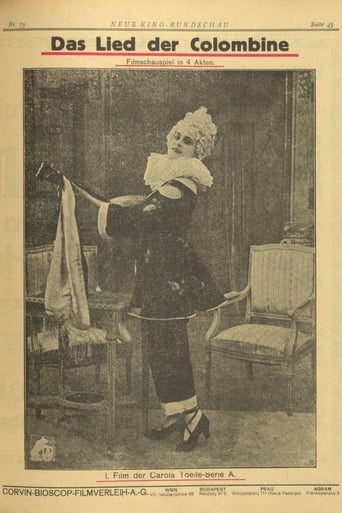
Titles linked here include Phantom (1922), Das Lied der Colombine (1918).
When was Olga Engl born and when did she die?
Born May 30, 1871; died September 21, 1946.
What awards did Olga Engl win?
Despite her long and prolific career, Olga Engl did not receive major formal awards or recognition during her lifetime. This was common for character actors of her era, particularly those working in supporting roles rather than as leading performers.
What was Olga Engl's acting style?
Olga Engl's acting style was characterized by naturalistic yet expressive performances that adapted well to both silent and sound films. Drawing from her theatrical background, she excelled at conveying emotion through subtle facial expressions and body language in silent films, while her clear diction helped her transition successfully to talkies.