
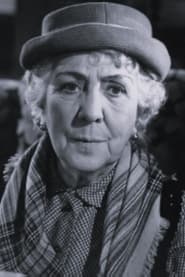
Ilka Grüning
Actor
Born: September 4, 1876 in Vienna, Austria-Hungary Died: March 11, 1964 Active: 1915-1943
Films
3 films

About Ilka Grüning
Austrian actress: from the silent era through the early sound period, making significant contributions to both European and American cinema. Born in Vienna in 1876, she began her stage career in the late 19th century before transitioning to film in the 1910s. She gained prominence in German Expressionist cinema, particularly through her work with director F.W. Murnau, including her memorable role in Phantom (1922). As a Jewish actress, she was forced to flee Europe following the Nazi rise to power, eventually settling in Hollywood where she continued her career as a character actress. In American films, she often portrayed maternal figures, European aristocrats, or stern but caring women, bringing her Continental theatrical training to roles in films like The Mortal Storm and The Great Waltz. Her career demonstrated remarkable resilience and adaptability, successfully navigating the transition from silent to sound films and from European to American cinema. She continued acting until the early 1940s, leaving behind a legacy of nuanced performances that bridged two cinematic worlds.
The Craft
On Screen
Grüning brought a theatrical gravitas and emotional depth to her film performances, characteristic of actors trained in the European stage tradition. Her acting style combined naturalistic subtlety with the expressive intensity required for silent film, using nuanced facial expressions and body language to convey complex emotions. In sound films, her distinctive accent and commanding presence made her particularly effective in roles as European matriarchs, aristocratic women, or stern but caring figures. She had a remarkable ability to convey both strength and vulnerability, often playing characters who possessed hidden depths beneath seemingly stern exteriors.
Milestones
- Breakthrough role in German Expressionist cinema
- Memorable performance in Phantom (1922) directed by F.W. Murnau
- Successful transition from European to American cinema
- Character roles in Hollywood films during the 1930s-40s
- Survival and career continuation after fleeing Nazi Europe
Best Known For
Iconic Roles
Must-See Films
Accolades
Special Recognition
- Recognized as a significant figure in German Expressionist cinema
- Remembered as part of the European émigré community that enriched Hollywood cinema
Working Relationships
Worked Often With
Studios
Why They Matter
Impact on Culture
Ilka Grüning represents the important bridge between European artistic cinema and classical Hollywood, embodying the cultural transfer that occurred as many talented artists fled Nazi persecution. Her work in German Expressionist films like Phantom contributed to the development of cinematic language that would influence filmmakers worldwide. In Hollywood, she helped bring authentic European sensibility to American films, often playing roles that required genuine Continental understanding and authenticity. As part of the émigré community, she contributed to the enrichment of American cinema during its Golden Age, bringing with her the depth and sophistication of European theatrical training.
Lasting Legacy
Grüning's legacy lies in her contribution to both German Expressionist cinema and her successful adaptation to Hollywood's studio system. She serves as an example of artistic resilience and adaptability, having successfully navigated the transition from silent to sound films, from European to American cinema, and having survived political persecution to continue her craft. Her performances, particularly in Phantom, remain studied examples of the expressive potential of silent film acting. She is remembered as part of that generation of European artists who profoundly influenced the development of international cinema through their forced migration to America.
Who They Inspired
Grüning influenced subsequent generations of character actors through her ability to bring depth and authenticity to supporting roles. Her work demonstrated the value of classical theatrical training in film performance, particularly in conveying complex emotions through subtle means. As part of the European émigré community in Hollywood, she helped establish a standard for authentic portrayal of European characters in American films, influencing how such roles would be cast and performed in subsequent decades.
Off Screen
Ilka Grüning was born into a Jewish family in Vienna and began her career on the Austrian stage before transitioning to film. She married fellow actor and director Ernst Deutsch, though the marriage ended in divorce. As the Nazi regime gained power in Germany and Austria, she faced persecution due to her Jewish heritage and was forced to flee Europe. She eventually settled in the United States, where she continued her acting career in Hollywood, becoming part of the community of European émigré artists who made significant contributions to American cinema during the 1930s and 1940s.
Education
Trained in theatrical arts in Vienna, likely through formal acting schools and apprenticeships in the Viennese theatrical tradition
Family
- Ernst Deutsch (1910s-1920s, divorced)
Did You Know?
- Was one of many Austrian actors who fled to Hollywood to escape Nazi persecution
- Her role in Phantom (1922) was particularly notable for its emotional depth in silent film performance
- Often typecast in Hollywood as European mothers, governesses, or aristocratic figures
- Spoke multiple languages, which helped her transition between German and American film industries
- Continued acting well into her 60s, demonstrating remarkable longevity for her era
- Was part of the rich theatrical tradition of Vienna before entering cinema
- Worked with some of the greatest directors of both German Expressionism and classical Hollywood
- Her active years covered three different decades and two different film industries
Frequently Asked Questions
Who was Ilka Grüning?
Austrian actress who worked in both European and American cinema from the 1910s through the 1940s. She was particularly known for her work in German Expressionist films and later became a character actress in Hollywood after fleeing Nazi persecution.
What films is Ilka Grüning best known for?
Titles linked here include Phantom (1922), The Great Waltz (1938).
When was Ilka Grüning born and when did she die?
Born September 4, 1876; died March 11, 1964.
What awards did Ilka Grüning win?
While Ilka Grüning did not receive major formal awards during her career, she is recognized for her significant contributions to both German Expressionist cinema and Hollywood's Golden Age, particularly as part of the European émigré artistic community.
What was Ilka Grüning's acting style?
Grüning's acting style combined theatrical gravitas with film-specific techniques, bringing emotional depth through nuanced expressions in silent films and authentic Continental presence in sound films. She excelled at portraying complex matriarchal and aristocratic characters.