



The Haunted Castle
"Count Oetsch crashes a gathering haunted by murder rumors"
Keys: Space play/pause · ←/→ 10s · F fullscreen · M mute · </> speed
About this film
The sinister Count Oetsch scandalizes the aristocratic social gathering at Castle Vogelod as he announces his intention to "crash" the festivities. Baroness Safferstätt is expected shortly, and the guests are well-aware of the rumors that Count Oetsch murdered the baroness' late husband. Oetsch refuses to leave, vowing that he will reveal the identity of the real killer.
Cast & crew
More films like this
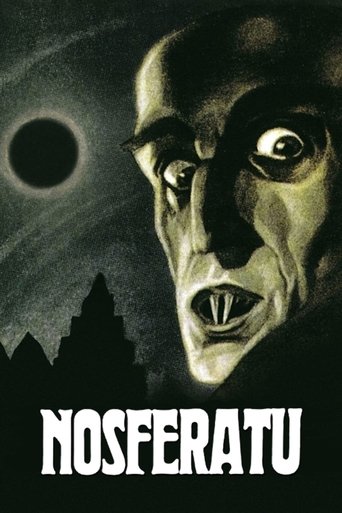
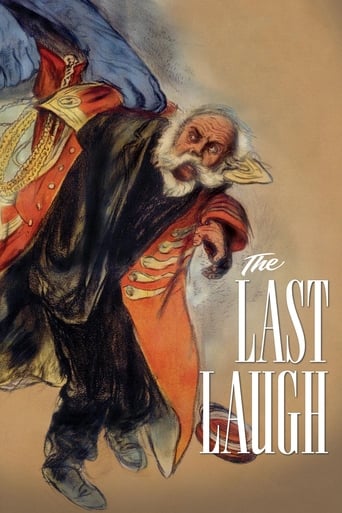
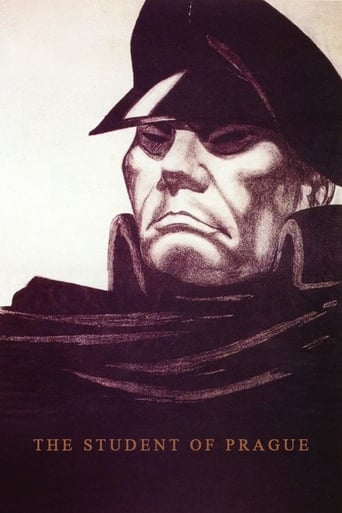
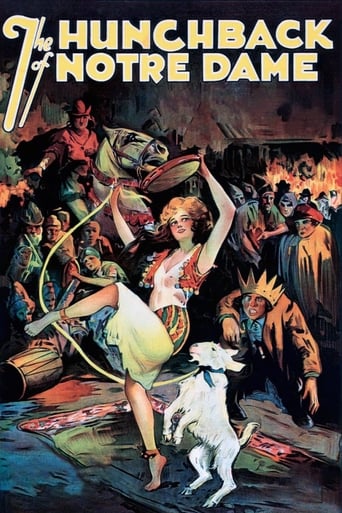
More Drama films
View all →







More from F. W. Murnau
View all →
More about this film
About the production
Release dateMarch 14, 1921 (Germany)
Box officeBox office figures not documented for this early German production
ProductionDecla-Bioscop AG
Filmed inStudio locations in Berlin, Germany, Various castle locations in Germany
The film was shot during the height of German Expressionism, utilizing innovative lighting techniques and dramatic set designs. Murnau worked closely with cinematographer Fritz Arno Wagner to create the film's distinctive visual atmosphere. The production faced challenges typical of post-WWI German cinema, including limited resources and the need to create elaborate sets with minimal budget. The film's structure was innovative for its time, using flashbacks to gradually reveal the mystery.
Themes
Guilt and redemptionThe corruption of aristocracyHidden truths and revelationsPsychological manipulationFamily secrets and inheritance
Themes & topics
mysterypsychological thrillercountry house mysteryaristocracymurder investigationfamily secretsflashback narrativecastle settingrevelationguiltredemptionsocial classpsychological drama
Historical background
Made during the studio era of 1921, The Haunted Castle reached audiences through theatrical programs, fairground booths, or specialized distribution channels typical of its generation. The sinister Count Oetsch scandalizes the aristocratic social gathering at Castle Vogelod as he announces his intention. Historians now read such works for what they reveal about production methods, national taste, and the expanding vocabulary of screen narrative.
Why this film matters
Archivists and programmers still screen The Haunted Castle when tracing how popular entertainment evolved. Its subject—the sinister count oetsch scandalizes the aristocratic social gathering at castle vogelod as he—gives later viewers tangible evidence of what drew crowds in the silent period. Home video, restorations, and festival sidebars keep the title circulating among students of film history.
Making of
The production of 'The Haunted Castle' took place during a revolutionary period in German cinema. Murnau, still early in his career, was developing his distinctive visual style that would later make him famous. The film was shot on a relatively modest budget, forcing the production team to be creative with their resources. Murnau worked closely with his cinematographer to achieve the dramatic lighting effects that became a hallmark of German Expressionism. The cast, primarily drawn from theater backgrounds, had to adapt their acting styles for the silent medium, emphasizing facial expressions and body language to convey the psychological complexity of their characters. The film's flashback structure was innovative for its time, requiring careful planning to maintain narrative clarity while building suspense. The castle sets, though constructed on studio lots, were designed to feel both opulent and claustrophobic, reflecting the psychological imprisonment of the characters.
What critics said
Original trade coverage treated The Haunted Castle as routine program filler rather than a landmark production—typical of steady studio output. Later criticism emphasizes preservation, stylistic comparison with contemporaries, and whatever cast or crew names later gained prominence. Contemporary writing is mostly historical: assessing completeness, influence, and place in a director's or studio's catalog.
Did you know?
- The original German title 'Schloß Vogeloed' translates to 'Castle Vogeloed' rather than 'The Haunted Castle', which was added for international distribution
- This was one of F.W. Murnau's earliest feature films, made before his breakthrough with 'Nosferatu' in 1922
- Despite the English title suggesting supernatural elements, the film contains no ghosts or haunted elements - it's purely a psychological mystery
- The film was considered lost for decades before being rediscovered in a European film archive and restored in the 1970s
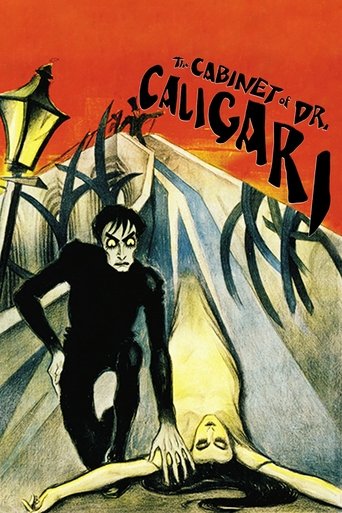
- The film showcases early examples of the German Expressionist style that would become famous in films like 'The Cabinet of Dr. Caligari'
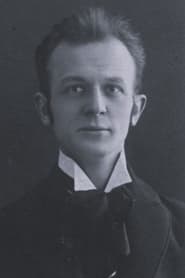
- Arnold Korff, who plays Count Oetsch, was a well-known stage actor who made relatively few film appearances
- The film's structure influenced later mystery films with its use of flashbacks to gradually reveal the truth
- Murnau's visual techniques in this film, including dramatic shadows and unusual camera angles, foreshadowed his later masterpieces
- The film was part of the Kammerspielfilm (chamber-play film) movement, which focused on intimate psychological dramas
- The castle sets were designed by Robert Neppach, who created the claustrophobic atmosphere essential to the film's tension
Visual style
The cinematography by Fritz Arno Wagner exemplifies early German Expressionist visual style with its dramatic use of light and shadow. The film employs chiaroscuro lighting techniques to create psychological tension and emphasize the moral ambiguity of the characters. Camera angles are often unusual and disorienting, reflecting the disturbed mental states of the protagonists. The cinematography uses deep shadows and stark contrasts to create a sense of claustrophobia within the castle setting. Wagner's work includes innovative tracking shots and camera movements that were advanced for the time, adding to the film's dynamic visual language. The lighting design carefully orchestrates the revelation of information, with key scenes lit to emphasize the dramatic impact of character revelations. The visual composition frequently uses architectural elements to frame characters in ways that suggest their psychological imprisonment.
Innovations
The film demonstrated several technical innovations for its time, including sophisticated use of camera movement to enhance psychological tension. The production team developed advanced lighting techniques that allowed for dramatic chiaroscuro effects without sacrificing the visibility necessary for silent film storytelling. The film's flashback structure required careful editing to maintain narrative clarity while building suspense, representing an early example of complex temporal manipulation in cinema. The set design incorporated movable elements and forced perspective to create the illusion of larger spaces within the constraints of studio filming. The film also experimented with focus techniques to draw attention to specific elements within the frame, guiding the audience's attention to crucial plot details. These technical achievements, while subtle compared to later innovations, represented important steps in the development of cinematic language.
Music
As a silent film, 'The Haunted Castle' would have been accompanied by live musical performance during its original theatrical run. The typical accompaniment would have included orchestral or piano scores specifically composed or arranged to enhance the film's dramatic moments and psychological tension. The music would have been crucial in establishing the film's atmosphere, with different themes for the various characters and dramatic leitmotifs for moments of revelation. Modern restorations of the film have featured newly composed scores by contemporary silent film composers, who attempt to recreate the emotional impact of the original accompaniments while incorporating modern musical sensibilities. These contemporary scores often blend period-appropriate musical styles with modern techniques to create a bridge between historical authenticity and contemporary audience expectations.
Famous quotes
I will not leave until the truth is known
Every shadow in this castle holds a secret
The dead do not keep silence forever
In this house, guilt is our most faithful companion
Some truths are more dangerous than lies
Memorable scenes
- The dramatic entrance of Count Oetsch uninvited to the hunting party, creating immediate tension among the guests
- The series of flashback sequences that gradually reveal the truth about the murder
- The climactic confrontation scene where all secrets are finally exposed
- The atmospheric shots of the castle at night, with shadows creating a sense of impending doom
- The psychological duel between Count Oetsch and the other suspects as he systematically uncovers their lies
What audiences thought
Initial audience reception in Germany was mixed, with some viewers finding the film's complex narrative structure and psychological themes difficult to follow. However, those who appreciated the emerging Expressionist style responded positively to the film's visual innovation and dramatic tension. The film's aristocratic setting and themes of hidden scandal resonated with contemporary German audiences who were fascinated by stories of the upper class's moral corruption. Over time, as the film became more accessible through restorations and screenings at classic film festivals, audience appreciation has grown significantly. Modern audiences, particularly fans of silent cinema and psychological thrillers, have come to value the film as an important example of early German Expressionism. The film's reputation among cinema enthusiasts has improved as more people have had the opportunity to see restored versions that reveal Murnau's visual artistry.
Film connections
Influenced by
- German Expressionist theater
- The Kammerspielfilm (chamber-play) tradition
- Literature of psychological suspense
- Earlier German mystery films
- Theatrical melodrama
- Post-WWI German literature
- Austrian and German psychological novels
This film influenced
- Later German Expressionist films
- Hollywood film noir of the 1940s
- Psychological thriller genre
- Mystery films with flashback structures
- Alfred Hitchcock's early mystery films
- Modern psychological thrillers
- Country house mystery subgenre
Film restoration
The film was believed lost for many decades before being rediscovered in a European film archive in the 1970s. It has since been restored by film preservation institutions, though some sequences remain incomplete or damaged. The restored version allows modern audiences to appreciate Murnau's early work and visual artistry. The film is now preserved in several international film archives, including the Bundesarchiv-Filmarchiv in Germany and the Museum of Modern Art's film collection in New York. The restoration process involved piecing together elements from various sources to create the most complete version possible.
Where to watch
- Available on DVD from specialty silent film distributors
- Streaming on classic film platforms like The Criterion Channel
- Occasionally screened at film archives and museums specializing in classic cinema
- Available through some university film collections
- Shown at silent film festivals with live musical accompaniment
- Accessible through online platforms specializing in public domain films