
Hermann Vallentin
Actor
Born: May 8, 1872 in Berlin, German Empire Died: February 18, 1925 Active: 1921-1924
Films
7 films

About Hermann Vallentin
Prominent German character actor during the golden age of German Expressionist cinema in the early 1920s. Born into a Jewish family in Berlin, he began his acting career on the stage before transitioning to film during the burgeoning German silent film era. Vallentin quickly established himself as a versatile character actor, often playing authoritative or eccentric figures in some of the most significant German films of the period. His collaborations with directors like F.W. Murnau and Paul Leni helped define the visual and thematic language of German Expressionism. Despite his relatively brief film career spanning just four years, Vallentin appeared in several landmark films that have become classics of world cinema. His performances were characterized by their psychological depth and distinctive physical presence, making him a memorable presence even in supporting roles. Vallentin's career was cut short by his untimely death in 1925, just as German cinema was reaching its artistic zenith and before the transition to sound films.
The Craft
On Screen
Vallentin was known for his expressive, theatrical acting style that perfectly suited the German Expressionist movement. His performances featured exaggerated gestures and facial expressions that conveyed intense psychological states, a hallmark of Expressionist acting. He had a distinctive physical presence with sharp features that the camera loved, allowing him to create memorable characters even without dialogue. Vallentin specialized in playing authority figures, eccentric characters, and dramatic supporting roles that required both gravitas and emotional depth.
Milestones
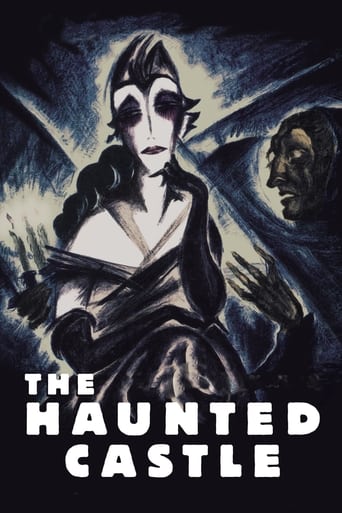
- Breakthrough role in The Haunted Castle (1921)
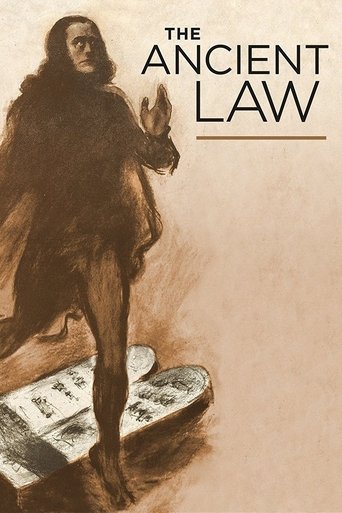
- Memorable performance in The Ancient Law (1923)
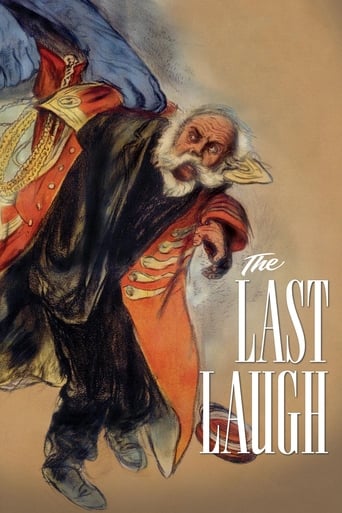
- Iconic supporting role in The Last Laugh (1924)
- Collaboration with director F.W. Murnau
- Participation in German Expressionist cinema movement
Best Known For
Iconic Roles
Must-See Films
Accolades
Special Recognition
- Posthumous recognition as a significant contributor to German Expressionist cinema
Working Relationships
Worked Often With
Studios
Why They Matter
Impact on Culture
Hermann Vallentin contributed significantly to the development of German Expressionist cinema,. His performances helped establish the visual and psychological language that would influence filmmakers worldwide for decades. The films he appeared in, particularly The Last Laugh, are studied in film schools as masterpieces of silent cinema and visual storytelling. Vallentin's work exemplified how German cinema of the 1920s pushed the boundaries of cinematic art, using visual techniques and performance styles to explore complex psychological themes. His collaborations with directors like Murnau resulted in films that would later influence Hollywood and international cinema, particularly in the areas of camera movement and psychological drama.
Lasting Legacy
Although his career was cut short by his early death, Hermann Vallentin remains an important figure in the history of German cinema. His performances survive as examples of the sophisticated acting techniques developed during the Expressionist period. Film historians and scholars continue to study his work to understand how German actors contributed to the unique aesthetic of Weimar cinema. Vallentin's films are regularly shown at classic film festivals and cinematheques, introducing new generations to the artistry of German silent film. His legacy is also preserved through the continued relevance of the films he helped create, which remain influential in contemporary cinema.
Who They Inspired
Vallentin's acting style influenced subsequent generations of character actors, particularly in how to convey complex emotions through physical expression. His work in German Expressionist cinema demonstrated how supporting roles could be as impactful as leads when performed with depth and commitment. The psychological intensity he brought to his roles helped establish a standard for character acting that would be emulated in Hollywood and other film industries. His collaborations with innovative directors showed how actors could contribute to the development of new cinematic techniques and storytelling approaches.
Off Screen
Hermann Vallentin came from a prominent Jewish family in Berlin and was part of the cultural elite during the Weimar Republic period. He was married to actress Rosa Valetti, with whom he frequently performed on stage before his film career. The couple were well-known figures in Berlin's theatrical and artistic circles, hosting salons that attracted many of the era's leading intellectuals and artists. Vallentin was deeply involved in the Jewish cultural renaissance in Berlin during the 1920s, participating in both Yiddish and German theater productions.
Education
Trained in classical theater and acting techniques in Berlin, likely attended one of the city's prestigious acting schools or theaters for apprenticeship
Family
- Rosa Valetti (married until his death in 1925)
Did You Know?
- Despite appearing in only a handful of films, all of his surviving works are considered classics
- His wife Rosa Valetti was also a famous cabaret performer and actress
- He was part of Berlin's vibrant Jewish artistic community during the Weimar period
- The Last Laugh, his most famous film, was revolutionary for its lack of intertitles
- His career coincided with the peak of German Expressionist cinema
- He transitioned to film relatively late in his career after establishing himself in theater
- His death in 1925 meant he never appeared in sound films
- Several of his films were considered lost for decades before being rediscovered
- His distinctive appearance made him a favorite for character roles in German cinema
- He worked with some of the most innovative directors of the silent era
In Their Own Words
While no direct quotes from Vallentin survive, his performances in films like The Last Laugh speak volumes about his artistic philosophy of conveying emotion through physical expression rather than words
Frequently Asked Questions
Who was Hermann Vallentin?
German character with credits in this catalog. He appeared in several landmark films including The Last Laugh and The Ancient Law before his untimely death in 1925.
What films is Hermann Vallentin best known for?
Titles linked here include The Last Laugh (1924), The Ancient Law (1923).
When was Hermann Vallentin born and when did he die?
Born May 8, 1872; died February 18, 1925.
What awards did Hermann Vallentin win?
During his lifetime, Vallentin did not receive formal awards as the film award system was not yet established in the 1920s. However, he is now posthumously recognized as an important contributor to German Expressionist cinema.
What was Hermann Vallentin's acting style?
Vallentin's acting style was characteristic of German Expressionism, featuring exaggerated gestures, intense facial expressions, and psychological depth. He specialized in character roles that required both gravitas and emotional intensity.