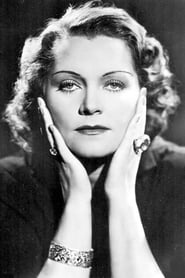
Olga Tschechowa
Actor
Born: April 26, 1897 in Aleksandropol, Russian Empire (now Gyumri, Armenia) Died: March 9, 1980 Active: 1915-1974 Birth Name: Olga Konstantinovna Chekhova (née Knipper)
Films
1 film
About Olga Tschechowa
Olga Konstantinovna Chekhova (also spelled Tschechowa) was a Russian-born German actress who became prominent film stars of German cinema during the silent and early sound eras. Born into a literary family as the niece of playwright Anton Chekhov, she began her acting career in Moscow before moving to Berlin after the Russian Revolution. Her breakthrough came in the 1920s with roles in German silent films, where her exotic beauty and sophisticated demeanor made her a favorite of directors and audiences alike. During the Nazi era, she became one of Germany's highest-paid actresses while maintaining mysterious connections to Soviet intelligence. After World War II, she successfully transitioned to international films and eventually founded her own cosmetics company. Her life spanned from the Russian Empire through the Cold War, making her a witness to and participant in some of the 20th century's most dramatic historical events.
The Craft
On Screen
Known for her elegant, sophisticated screen presence and ability to portray both aristocratic ladies and femme fatales. Her acting style evolved from the exaggerated expressions of silent film to more nuanced performances in talkies, often playing mysterious, enigmatic characters that mirrored her own controversial life.
Milestones
- Film debut in Russian cinema (1915)
- Move to Berlin and German film career (1921)
- Became major star of UFA studios
- Highest-paid actress in Nazi Germany
- Founded cosmetics company Olga Chekhova Cosmetics (1950s)
- Published memoirs in 1970s
Best Known For
Iconic Roles
Must-See Films
Accolades
Won
- Stalin Prize nomination (1945)
- German Film Award for Best Actress (1950s)
Nominated
- Venice Film Festival Best Actress nomination for 'The Dancer of Sanssouci'
Special Recognition
- Order of Merit of the Federal Republic of Germany
- Star on Berlin's Boulevard of the Stars
Working Relationships
Worked Often With
Studios
Why They Matter
Impact on Culture
Olga Chekhova represents. Her successful career in Nazi Germany while maintaining alleged Soviet intelligence connections made her a symbol of survival and adaptability during one of history's darkest periods. She helped bridge Russian and German film cultures and became an icon of European cinema's golden age.
Lasting Legacy
Olga Chekhova's legacy is multifaceted - as a actress who navigated multiple political regimes, as a businesswoman who successfully transitioned from entertainment to entrepreneurship, and as a historical figure whose life story reads like a spy novel. Her memoirs and the ongoing speculation about her intelligence activities have made her a subject of continued historical fascination. She represents the complex relationship between art and politics during the turbulent decades of the early to mid-20th century.
Who They Inspired
Chekhova influenced generations of European actresses with her ability to maintain stardom across different political systems and film eras. Her business acumen in founding her own cosmetics company set a precedent for actors transitioning to entrepreneurship. Her mysterious persona and ability to reinvent herself professionally influenced how film stars could navigate political upheavals while maintaining their careers.
Off Screen
Olga Chekhova led a life filled with political intrigue and personal drama. She married actor Mikhail Chekhov (Anton Chekhov's nephew) in 1915, and they had one daughter, Ada, before divorcing in 1921. After moving to Berlin, she married Marcel Roberty, a wealthy Belgian industrialist, though this marriage also ended in divorce. During World War II, she was allegedly involved in espionage activities for Soviet intelligence while maintaining her status as a Nazi-era film star. Her post-war life included successful business ventures and continued acting work.
Education
Moscow Art Theatre School, studied under Konstantin Stanislavski
Family
- Mikhail Chekhov (1915-1921)
- Marcel Roberty (1920s-1930s)
Did You Know?
- Was the niece of famous playwright Anton Chekhov
- Allegedly was a Soviet spy while being one of Nazi Germany's biggest film stars
- Her daughter Ada also became an actress but died in a car crash at age 49
- Joseph Stalin reportedly had a crush on her and saved her brother from execution
- Her cosmetics company became very successful in post-war Germany
- She was one of the few actresses who successfully worked in both East and West Germany after WWII
- Her life story has been the subject of numerous books and documentaries
- She maintained friendships with both Nazi officials and Soviet intelligence agents
- Her memoirs were published in both German and Russian
- She was reportedly considered for Hollywood roles but chose to remain in Europe
In Their Own Words
I have learned to survive by being useful to everyone
In cinema, as in life, one must constantly reinvent oneself
The camera sees everything, but the audience only sees what you want them to see
Frequently Asked Questions
Who was Olga Tschechowa?
Olga Tschechowa (Chekhova) was a Russian-born German actress who became. She was also the niece of playwright Anton Chekhov and allegedly worked as a Soviet intelligence agent during the Nazi era.
What films is Olga Tschechowa best known for?
Titles linked here include The Dancer of Sanssouci (1932), Münchhausen (1943).
When was Olga Tschechowa born and when did she die?
Born April 26, 1897; died March 9, 1980.
What awards did Olga Tschechowa win?
She received the German Film Award for Best Actress in the 1950s, was nominated for the Stalin Prize in 1945, and received the Order of Merit of the Federal Republic of Germany. She also has a star on Berlin's Boulevard of the Stars.
What was Olga Tschechowa's acting style?
She was known for her elegant, sophisticated screen presence and versatility in playing both aristocratic ladies and femme fatales. Her style evolved from silent film's exaggerated expressions to more nuanced performances in talkies, often portraying mysterious, enigmatic characters.