
Julius Falkenstein
Actor
Born: February 25, 1872 in Berlin, Germany Died: September 14, 1933 Active: 1914-1933
Films
5 films
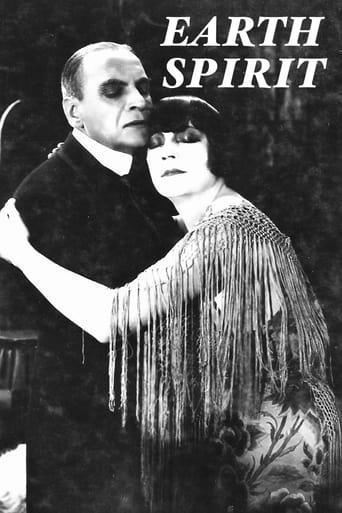
About Julius Falkenstein
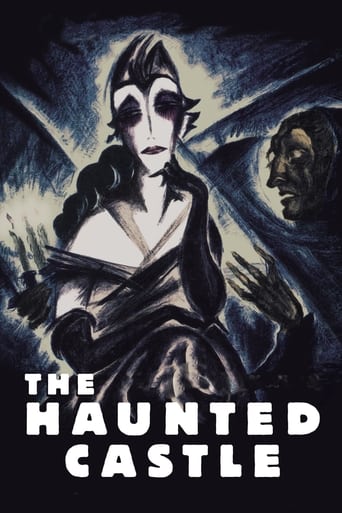
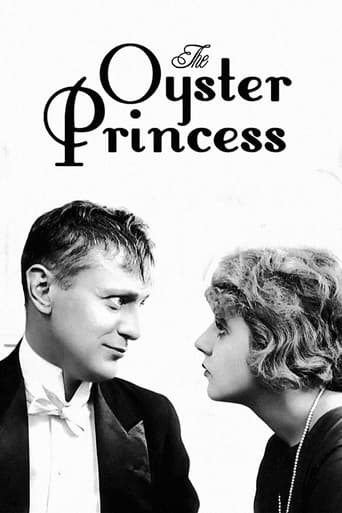
Prolific German character actor who flourished during the golden age of German silent cinema. Born in Berlin in 1872, he began his career on the theatrical stage before transitioning to film in the mid-1910s. Falkenstein became a familiar face in German cinema, particularly through his collaborations with director Ernst Lubitsch, appearing in several of the director's early comedies including 'The Oyster Princess' (1919) and 'The Haunted Castle' (1921). His distinctive appearance and comedic talent made him a recognizable presence in numerous German silent films throughout the 1920s, often playing authority figures, wealthy businessmen, or comic relief characters. Falkenstein continued acting into the early sound era before his death in 1933, leaving behind a legacy of memorable performances that captured the essence of German cinematic artistry during its most innovative period.
The Craft
On Screen
Falkenstein was known for his expressive physical comedy and distinctive character portrayals, often employing exaggerated gestures and facial expressions typical of silent film acting. His style combined theatrical training with cinematic techniques, allowing him to convey complex emotions and humor through subtle movements and timing. He excelled at playing both comedic and slightly menacing characters, using his distinctive appearance and commanding presence to create memorable supporting roles.
Milestones
- Transition from stage to film in mid-1910s
- Collaboration with Ernst Lubitsch on multiple comedies
- Key role in 'The Oyster Princess' (1919)
- Performance in 'The Haunted Castle' (1921)
- Successful transition to early sound films
- Over 150 film appearances throughout his career
Best Known For
Iconic Roles
Must-See Films
Accolades
Special Recognition
- Recognized as a significant character actor in German silent cinema
- Featured in film retrospectives of German Expressionist cinema
Working Relationships
Worked Often With
Studios
Why They Matter
Impact on Culture
Julius Falkenstein contributed significantly to the development of German comedy cinema during its most creative period. His work with Ernst Lubitsch helped establish the sophisticated comedic style that would later influence Hollywood comedies. As a character actor, he represented the ensemble nature of German film production, where supporting players were crucial to the success of films. His performances captured the social dynamics of Weimar Germany, often satirizing bourgeois values and aristocratic pretensions through his various roles.
Lasting Legacy
Falkenstein's legacy lies in his contribution to the golden age of German silent cinema, particularly through his collaborations with Ernst Lubitsch. His films are studied today as examples of early German cinematic comedy and the transition from theatrical to film acting styles. His body of work provides valuable insight into the social and cultural milieu of Germany during the Weimar Republic. Though not as famous as some leading actors of his era, his performances remain important to understanding the ensemble nature of German film production and the development of cinematic comedy.
Who They Inspired
Falkenstein influenced subsequent generations of character actors through his demonstration of how supporting roles could enhance comedic and dramatic narratives. His work with Lubitsch contributed to the development of what would become known as the 'Lubitsch touch' in comedy, influencing both German and international filmmakers. His ability to balance humor with character depth set a standard for character actors in silent cinema, showing how even minor roles could leave lasting impressions on audiences.
Off Screen
Julius Falkenstein was born and raised in Berlin, where he developed his passion for the performing arts. He came from a middle-class Jewish family in Berlin during the late 19th century. Details about his personal relationships and family life are relatively scarce, as was common for character actors of his era who often lived more private lives away from the spotlight. His active years covered the tumultuous period of German history from the Kaiser era through the Weimar Republic and into the early Nazi period.
Education
Trained in theatrical acting in Berlin during the 1890s, likely through traditional German theater schools and apprenticeships
Did You Know?
- Appeared in over 150 films during his career
- Frequently worked with director Ernst Lubitsch in his early career
- Was one of the few actors to successfully transition from German Expressionist cinema to early sound films
- His distinctive appearance made him easily recognizable to German cinema audiences
- Often played authority figures or wealthy businessmen in comedies
- Began his career on the Berlin stage before moving to film
- His active years covered three major periods of German history: Imperial, Weimar, and early Nazi Germany
- Worked with some of the biggest stars of German silent cinema including Pola Negri
- Many of his films are now considered lost, a common fate for early German cinema
- His performances provide valuable documentation of German theatrical acting techniques transitioning to cinema
Frequently Asked Questions
Who was Julius Falkenstein?
German character with credits in this catalog. He appeared in over 150 films and was particularly known for his collaborations with director Ernst Lubitsch in German comedies of the 1910s and 1920s.
What films is Julius Falkenstein best known for?
Titles linked here include The Oyster Princess (1919), The Haunted Castle (1921).
When was Julius Falkenstein born and when did he die?
Born February 25, 1872; died September 14, 1933.
What awards did Julius Falkenstein win?
There are no recorded major awards or nominations for Julius Falkenstein, which was common for character actors of the silent film era. However, he is recognized in film history as an important contributor to German cinema, particularly through his work with Ernst Lubitsch.
What was Julius Falkenstein's acting style?
Falkenstein's acting style combined theatrical training with cinematic techniques, featuring expressive physical comedy and exaggerated gestures typical of silent film performance. He excelled at creating memorable character portrayals through distinctive facial expressions and timing, often playing authority figures or comic relief roles in German comedies and dramas.