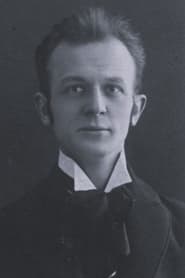
Paul Bildt
Actor
Born: May 19, 1885 in Berlin, Germany Died: March 13, 1957 Active: 1910-1957 Birth Name: Paul Hermann Bildt
Films
3 films
About Paul Bildt
German actor: remarkable over four decades, from the silent era through the post-war period of German cinema. Born in Berlin in 1885, he began his artistic journey on the stage before transitioning to film in the early 1920s, quickly establishing himself as a versatile character actor. Bildt appeared in more than 130 films throughout his career, working with many of Germany's most prominent directors and becoming a familiar face to German cinema audiences. During the Nazi regime, he faced significant personal challenges due to his marriage to a Jewish woman, yet continued working in the German film industry. After World War II, Bildt in rebuilding German cinema, serving as a bridge between pre-war and post-war film traditions. His final years were marked by continued artistic productivity and recognition for his contributions to German culture, until his death in 1957.
The Craft
On Screen
Paul Bildt was known for his naturalistic and understated acting style, which contrasted with the more theatrical approach common in early German cinema. He possessed a remarkable ability to convey complex emotions through subtle facial expressions and restrained gestures, making him particularly effective in both dramatic and character roles. His performances were marked by psychological depth and authenticity, allowing him to portray a wide range of characters from authoritative figures to sympathetic common people. Bildt's technique evolved from the exaggerated style of silent films to a more nuanced approach in sound films, demonstrating his adaptability and artistic growth throughout his long career.
Milestones
- Stage debut in 1910 at the Deutsches Theater
- Film debut in the early 1920s
- Appeared in over 130 films
- Worked with F.W. Murnau and other major directors
- Survived Nazi regime despite marriage to Jewish woman
- Instrumental in post-war German film reconstruction
- Recipient of German Film Award
Best Known For
Iconic Roles
Must-See Films
Accolades
Won
- German Film Award for Best Actor (1956)
- Berlin Art Prize (1956)
Nominated
- German Film Award nominations for multiple films
Special Recognition
- Order of Merit of the Federal Republic of Germany
- Honorary citizen of Berlin (posthumously)
Working Relationships
Worked Often With
Studios
Why They Matter
Impact on Culture
Paul Bildt's cultural impact on German cinema extends far beyond his individual performances, as he served as a living link between different eras of German film history. His work during the Weimar Republic contributed to the golden age of German cinema, while his survival through the Nazi period demonstrated artistic resilience under political oppression. Bildt's post-war career was instrumental in reestablishing German cinema's artistic credibility and international standing, helping to bridge the gap between pre-war traditions and new cinematic approaches. His dignified presence and consistent professionalism provided a model for German actors navigating the complex moral and artistic landscape of post-war Germany.
Lasting Legacy
Paul Bildt's legacy in film history is that of a consummate character actor who embodied the continuity of German cinema through its most tumultuous decades. He is remembered for his ability to bring humanity and depth to every role, regardless of size, and for maintaining his artistic integrity under extreme political pressure. His performances continue to be studied as examples of restrained, naturalistic acting that transcended the limitations of their time. Bildt's career shows the power of art to endure and adapt through political upheaval, and his influence can be seen in subsequent generations of German actors who valued psychological realism over theatricality.
Who They Inspired
Paul Bildt influenced generations of German actors through his example of professional dedication and artistic integrity. His naturalistic acting style helped move German cinema away from the theatrical traditions of the 19th century toward more psychologically realistic performances. Younger actors, particularly those emerging in the post-war period, looked to Bildt as a model of how to maintain artistic standards while navigating political and social challenges. His work in films like 'In Those Days' helped establish the tone for German post-war cinema, emphasizing human dignity and moral complexity. Many German character actors of the 1950s and 1960s cited Bildt as an inspiration for their approach to supporting roles.
Off Screen
Paul Bildt's personal life was marked by both professional success and personal challenges during one of Germany's most turbulent historical periods. He married Charlotte Friedländer, a Jewish woman, which placed the family in great danger during the Nazi regime. Despite the risks, Bildt refused to divorce his wife and used his influence to protect her as much as possible. The couple had two children, including actress Eva Bildt, who also became a successful performer. After the war, Bildt was briefly investigated for potential collaboration with the Nazi regime but was cleared of any wrongdoing, as he had maintained his integrity and helped others when possible.
Education
Studied acting at Max Reinhardt's acting school in Berlin
Family
- Charlotte Friedländer (1918-1957)
Did You Know?
- Appeared in over 130 films during his 47-year career
- Was a close friend of actor Heinrich George
- His daughter Eva Bildt also became a successful actress
- Continued working in films until the year of his death
- Was one of the few actors who successfully transitioned from silent to sound films
- Protected his Jewish wife during the Nazi regime at great personal risk
- Served as a mentor to many younger German actors after World War II
- His final film was 'The Last Bridge' (1954), directed by Helmut Käutner
- Was known for his photographic memory and ability to learn lines quickly
- Maintained his stage career throughout his film career
- Was considered one of Germany's most reliable character actors
In Their Own Words
Acting is not about pretending, but about finding the truth within yourself and bringing it to the character.
In difficult times, art becomes more important than ever - it's what keeps our humanity alive.
Frequently Asked Questions
Who was Paul Bildt?
German with credits in this catalog.
What films is Paul Bildt best known for?
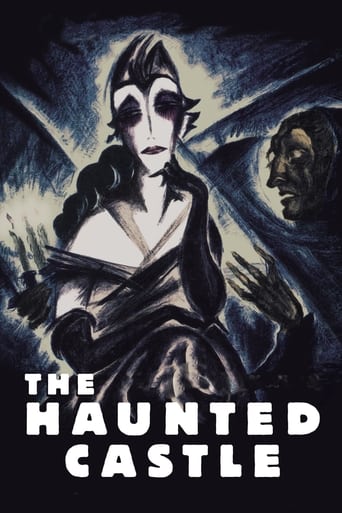
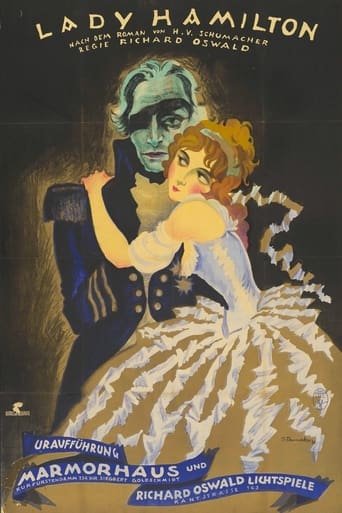
Titles linked here include The Haunted Castle (1921), Lady Hamilton (1921).
When was Paul Bildt born and when did he die?
Born May 19, 1885; died March 13, 1957.
What awards did Paul Bildt win?
Paul Bildt won the German Film Award for Best Actor in 1956, received the Berlin Art Prize in 1956, and was honored with the Order of Merit of the Federal Republic of Germany for his contributions to German culture.
What was Paul Bildt's acting style?
Paul Bildt was known for his naturalistic and understated acting style, characterized by psychological depth, subtle facial expressions, and restrained gestures that brought authenticity to his character roles.
How did Paul Bildt survive the Nazi regime?
Despite being married to a Jewish woman, Paul Bildt continued working in German cinema during the Nazi regime while protecting his wife and maintaining his artistic integrity, refusing to divorce her despite the personal danger.