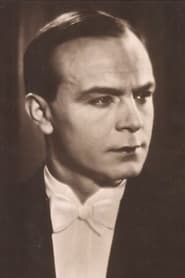
Paul Hartmann
Actor
Born: January 17, 1889 in Fürth, Bavaria, Germany Died: June 25, 1977 Active: 1915-1968 Birth Name: Paul Wilhelm Constantin Hartmann
Films
4 films
About Paul Hartmann
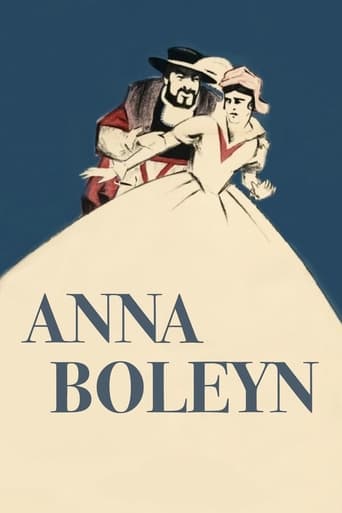
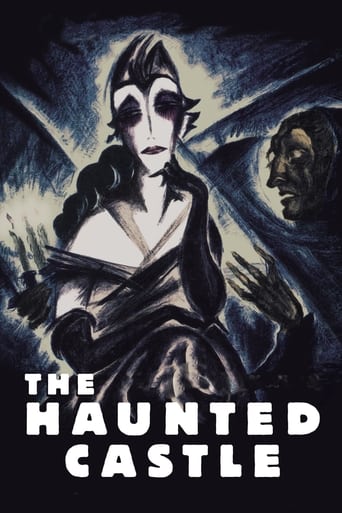
German actor: remarkable over five decades, from the silent era through the post-war period. Born in Fürth, Bavaria, he began his acting career on the stage, training under the Max Reinhardt at the Königliche Schauspielhaus in Berlin before transitioning to film during the golden age of German cinema. Hartmann rose to international prominence in the early 1920s with leading roles in silent masterpieces like 'Anna Boleyn' (1920) and 'The Haunted Castle' (1921), working with renowned directors such as Ernst Lubitsch. His aristocratic bearing and refined acting style made him particularly suited for roles of nobility and authority figures, establishing him as one of Germany's most respected leading men. Hartmann successfully navigated the challenging transition to sound films and continued his career through the politically complex Nazi era and into the rebuilding of post-war German cinema. His final film appearances occurred in the late 1960s, cementing his legacy as enduring and versatile actors in German film history.
The Craft
On Screen
Paul Hartmann was renowned for his refined, elegant acting style that masterfully combined theatrical precision with cinematic naturalism. His performances in silent films were characterized by expressive yet controlled gestures, allowing him to convey complex emotions with remarkable subtlety through his eyes and body language. Hartmann possessed a commanding screen presence and aristocratic bearing that made him particularly effective in roles of nobility, authority figures, and romantic leads. His transition to sound films was seamless, as his trained voice and precise diction added another dimension to his already sophisticated performances. Throughout his career, he maintained a consistent approach of underplaying emotions rather than resorting to melodramatic excess, which him from many of his contemporaries and established him as a model of sophisticated screen acting.
Milestones
- Leading role in Ernst Lubitsch's 'Anna Boleyn' (1920)
- Starring role in 'The Haunted Castle' (1921)
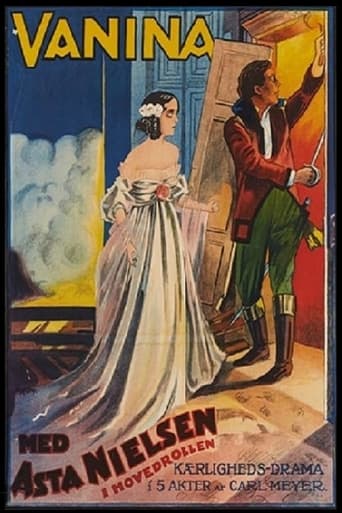
- International recognition in 'Vanina' (1922)
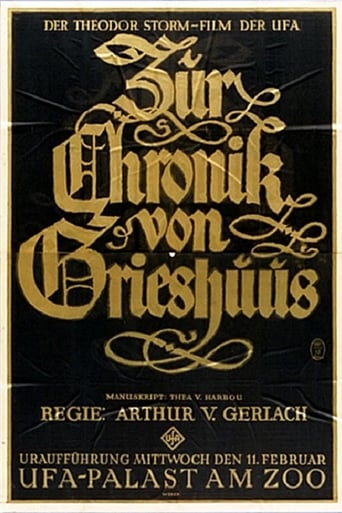
- Critical acclaim in 'The Chronicles of the Gray House' (1925)
- Successful transition to sound films in the 1930s
- Major role in the epic 'Münchhausen' (1943)
- Post-war career resurgence with 'The Last Bridge' (1954)
- German Film Award for Best Supporting Actor (1956)
Best Known For
Iconic Roles
Must-See Films
Accolades
Won
- German Film Award for Best Supporting Actor (1956)
- Bambi Award (1960)
- Filmband in Gold for lifetime achievement (1964)
- Volpi Cup for Best Actor at Venice Film Festival (1955)
Nominated
- Venice Film Festival Volpi Cup nomination (1954)
- German Film Award nominations (multiple years throughout the 1950s)
- Cannes Film Festival Best Actor nomination (1955)
Special Recognition
- Commander's Cross of the Order of Merit of the Federal Republic of Germany (1969)
- Honorary citizen of Fürth
- Film retrospective at the Museum of Modern Art, New York (1972)
- Star on the Boulevard der Stars in Berlin (2010, posthumously)
Working Relationships
Worked Often With
Studios
Why They Matter
Impact on Culture
Paul Hartmann played a pivotal role in shaping German cinema during its most transformative decades, serving as a bridge between the golden age of silent film and the modern era. As one of the leading actors of the Weimar Republic's flourishing film industry, he helped establish the standards of performance quality and artistic integrity that defined German cinema's international reputation. His ability to work successfully across different political regimes and film eras demonstrated the remarkable adaptability required of artists in 20th century Germany. Hartmann's international success, particularly in films like 'Anna Boleyn,' helped bring German cinema to global attention during the 1920s, contributing significantly to the country's cultural influence abroad. His post-war work was instrumental in restoring dignity and artistic merit to German cinema after the dark period of Nazi propaganda films.
Lasting Legacy
Paul Hartmann's legacy endures as one of Germany's most and versatile actors of the 20th century, whose filmography provides a comprehensive overview of German cinema's evolution from the silent era through the post-war economic miracle. He is remembered for his unwavering artistic integrity and refusal to compromise his standards, even during politically challenging times that forced many of his contemporaries into difficult choices. His performances continue to be studied by film scholars and actors as exemplary models of sophisticated screen acting techniques that blend theatrical precision with cinematic authenticity. Several of his films, particularly those from the 1920s, are now considered classics of world cinema and are regularly featured in international retrospectives and film studies programs. Hartmann's career serves as an inspiring testament to the power of artistic resilience, adaptability, and the enduring importance of maintaining one's principles in the face of historical upheaval.
Who They Inspired
Paul Hartmann influenced generations of German actors through his refined acting technique and professional approach to filmmaking that emphasized craft over celebrity. His method of combining theatrical precision with cinematic naturality became a model for actors transitioning from stage to screen, particularly during the challenging transition from silent to sound films. Many post-war German actors, including Maria Schell and Horst Buchholz, cited Hartmann as an inspiration for maintaining artistic standards during difficult political times. His work in international co-productions helped establish precedents for German actors working in global cinema, demonstrating that German performers could achieve international success without losing their cultural identity. Hartmann's dedication to excellence and his lifelong commitment to artistic growth influenced the German acting tradition, which has always emphasized technical mastery, intellectual depth, and emotional authenticity.
Off Screen
Paul Hartmann led a relatively private personal life despite his immense public fame, maintaining strong ties to his Bavarian roots throughout his life. He was married twice, first to actress Marga Lindt from 1920 to 1935, and later to singer and actress Evelyn Künneke from 1950 until his death in 1977. During the Nazi regime, Hartmann navigated the political complexities with careful diplomacy, continuing to work while maintaining his artistic integrity and avoiding party membership. After World War II, he played an active role in rebuilding German cinema and became a respected mentor to younger actors in the emerging post-war film industry. Hartmann was known for his intellectual pursuits, including his passion for classical music and art collecting, particularly German Expressionist works.
Education
Family
- Marga Lindt (1920-1935)
- Evelyn Künneke (1950-1977)
Did You Know?
- Was one of the highest-paid German actors of the 1920s, earning over 50,000 Reichsmarks per film
- Spoke fluent English, French, and Italian, which greatly facilitated his international career
- Was offered multiple contracts by Hollywood studios in the 1920s but chose to remain in Germany
- Served briefly in World War I before being discharged due to a leg injury
- Was a skilled concert-level pianist and often entertained cast and crew on film sets
- Maintained a lifelong friendship with director Ernst Lubitsch from their early theater days
- Was an avid art collector specializing in German Expressionist works, particularly Ernst Ludwig Kirchner
- Survived a major bombing raid on Berlin in 1943 that destroyed his apartment and art collection
- Was considered for the role of Professor Henry Higgins in the German adaptation of 'My Fair Lady' but declined due to age
- His final film role was in 'Der Tod des Roten Baron' at age 79, playing a German field marshal
In Their Own Words
Acting is not about showing emotions, but about revealing the truth beneath them
The camera sees everything, especially what you try to hide from yourself
In silent films, the eyes must do what the voice cannot - they must speak volumes without words
Every role is a mirror in which the audience sees themselves reflected
The greatest challenge is not playing a character, but becoming truly human on screen
Art survives politics, but the artist must sometimes navigate between them
Frequently Asked Questions
Who was Paul Hartmann?
German with credits in this catalog. He was one of the leading figures in German cinema during the Weimar Republic and continued to work successfully through the Nazi and post-war periods, known for his refined acting style, aristocratic bearing, and commanding screen presence.
What films is Paul Hartmann best known for?
Titles linked here include Anna Boleyn (1920), The Haunted Castle (1921).
When was Paul Hartmann born and when did he die?
Born January 17, 1889; died June 25, 1977.
What awards did Paul Hartmann win?
Paul Hartmann received numerous prestigious awards including the German Film Award for Best Supporting Actor (1956), the Volpi Cup for Best Actor at Venice (1955), a Bambi Award (1960), and the Filmband in Gold for lifetime achievement (1964). He was also honored with the Commander's Cross of the Order of Merit of the Federal Republic of Germany.
What was Paul Hartmann's acting style?
Hartmann was known for his refined, elegant acting style that combined theatrical precision with naturalistic subtlety. His performances featured expressive yet controlled gestures, particularly effective in silent films, and he maintained a consistent approach of underplaying emotions rather than resorting to melodramatic excess, setting him apart from many contemporaries.
Did Paul Hartmann work internationally?
Yes, Hartmann had an international career, appearing in co-productions with France, Italy, and Austria. He spoke fluent English, French, and Italian, which facilitated his international work, though he chose to remain primarily based in Germany despite multiple lucrative offers from Hollywood studios in the 1920s.
How did Paul Hartmann navigate the Nazi period?
Hartmann continued working during the Nazi regime but was never a party member, maintaining his artistic independence while carefully navigating the political complexities. He faced some criticism after the war but was completely exonerated by denazification authorities and praised for his non-political stance and continued artistic integrity.