
Arnold Korff
Actor
Born: August 30, 1870 in Odessa, Russian Empire (now Ukraine) Died: June 2, 1944 Active: 1921-1944
Films
3 films
About Arnold Korff
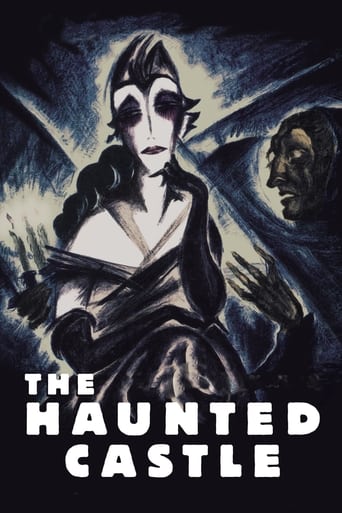
Character actor: from the silent era through early sound cinema, beginning on European stages before transitioning to film. Born in Russia in 1870, he established himself as a prominent theater actor in Germany before making his film debut in the early 1920s. His most notable silent film appearance was in F.W. Murnau's 'The Haunted Castle' (1921), where he showcased his commanding screen presence and dramatic intensity. Korff specialized in portraying authority figures, aristocrats, and mentors, bringing a theatrical gravitas to his film roles that resonated with audiences of the era. As sound films emerged, he successfully adapted his craft, appearing in both German and American productions throughout the 1930s. His later career included character roles in Hollywood films, where he often played European dignitaries, professors, and officials, leveraging his authentic accent and dignified bearing. Korff continued acting until his death in 1944, leaving behind a legacy of versatile performances across two continents and cinematic eras.
The Craft
On Screen
Korff was known for his theatrical, dignified acting style that translated well from stage to screen. He employed precise diction, commanding posture, and expressive facial features that were particularly effective in silent cinema. His performances were characterized by a natural authority and gravitas, making him ideal for roles requiring sophistication and wisdom. In sound films, his distinctive European accent became an asset, enhancing his authenticity in portraying continental characters.
Milestones
- Stage debut in German theater (1890s)
- Film debut in 'The Haunted Castle' (1921)
- Transition to sound films successfully
- Move to Hollywood in the 1930s
- Final film appearance in 'The Hitler Gang' (1944)
Best Known For
Iconic Roles
Must-See Films
Accolades
Special Recognition
- Recognition as a character actor in both German and American cinema
Working Relationships
Worked Often With
Studios
Why They Matter
Impact on Culture
Arnold Korff represented the bridge between European theatrical tradition and American cinema, embodying the cultural exchange that enriched Hollywood during the 1930s and 1940s. His successful transition from German expressionist cinema to Hollywood studio films demonstrated the adaptability of classically trained actors. As part of the wave of European talent that fled to America, Korff contributed to the sophistication and international flavor of Golden Age Hollywood, bringing authentic European sensibility to American productions. His work in both German and American cinema helped establish the archetype of the dignified European character actor that would become a staple in international cinema.
Lasting Legacy
Arnold Korff's legacy lies in his embodiment of the transatlantic artist who successfully navigated two cinematic cultures. He represents the generation of classically trained European actors who enriched American cinema with their theatrical background and international perspective. His performances in both German expressionist films and Hollywood productions serve as examples of how traditional acting techniques could evolve to meet the demands of changing cinematic technologies. Though not a household name, Korff's body of work contributed to the authenticity and sophistication of films dealing with European themes and characters during Hollywood's Golden Age.
Who They Inspired
Korff influenced subsequent generations of character actors, particularly those specializing in European roles in American films. His successful adaptation from silent to sound cinema provided a model for other actors facing technological transitions. His dignified approach to character acting helped establish standards for supporting roles that enhanced rather than overshadowed leading performances. Among the community of European actors in Hollywood, he exemplified how to maintain artistic integrity while working within the studio system.
Off Screen
Private individual who maintained a professional demeanor throughout his career. He emigrated from Europe to America in the 1930s as political tensions rose in Germany, joining many other artists who sought refuge in Hollywood. His personal life was largely kept out of the public eye, focusing instead on his craft and maintaining relationships within the artistic community. He was respected among his peers for his professionalism and dedication to the theatrical arts.
Education
Classical theatrical training in Germany, likely at conservatories or drama schools in the late 19th century
Family
- Information not publicly available
Did You Know?
- Born in Odessa but became a prominent German actor
- Successfully transitioned from German expressionist cinema to Hollywood
- Was part of the wave of European talent that enriched 1930s Hollywood
- His active years covered the entire transition from silent to sound films
- Often cast as authority figures due to his natural gravitas
- Worked with legendary directors F.W. Murnau and Fritz Lang
- Maintained his career well into his 70s
- His final film was about the rise of Nazism, connecting to his reasons for leaving Europe
- Represented the archetype of the cultured European intellectual in American films
- His stage background gave him a distinctive presence that set him apart from film-native actors
In Their Own Words
While specific quotes are not widely documented, his characters often delivered lines with the weight and authority that became his trademark
Frequently Asked Questions
Who was Arnold Korff?
German-American character with credits in this catalog.
What films is Arnold Korff best known for?
Titles linked here include The Haunted Castle (1921), M (1931).
When was Arnold Korff born and when did he die?
Born August 30, 1870; died June 2, 1944.
What awards did Arnold Korff win?
While Arnold Korff did not receive major formal awards, he was widely recognized within the industry as a character actor who successfully bridged European and American cinema.
What was Arnold Korff's acting style?
Korff's acting style was characterized by theatrical gravitas, precise diction, and commanding presence, drawing from his classical stage training and adapting effectively to both silent and sound films.
Why did Arnold Korff move to America?
Korff emigrated to America in the 1930s as part of the wave of European artists fleeing the rising political tensions in Nazi Germany, joining many other talented refugees in Hollywood.