
Ernie Adams
Actor
Born: June 18, 1885 in San Francisco, California, USA Died: November 26, 1947 Active: 1919-1947 Birth Name: Ernest Stephen Dumar
Films
2 films
About Ernie Adams
Prolific American character actor: the silent era through the Golden Age of Hollywood, appearing in over 400 films between 1919 and 1948. Born Ernest Stephen Dumar in San Francisco, California, he began his film career in the post-World War I era, quickly establishing himself as a reliable supporting player in both dramatic and comedic roles. Adams was particularly active during the transition from silent films to talkies, successfully adapting his craft to the new medium. He became known for his versatility, playing everything from villains and authority figures to comic relief characters throughout his three-decade career. His filmography includes appearances in some of the most significant films of the era, including works by directors like Harold Lloyd, Frank Capra, and John Ford. Despite never achieving leading man status, Adams became one of Hollywood's most recognizable character actors, with his distinctive appearance and reliable performances making him a favorite among casting directors. His career continued steadily through the 1930s and 1940s until his death in 1947, leaving behind an impressive legacy of cinematic contributions.
The Craft
On Screen
Ernie Adams was known for his naturalistic and adaptable acting style, capable of seamlessly shifting between dramatic and comedic performances. He had a particular talent for playing authoritative figures and villains, bringing a distinctive gravitas to even minor roles. His silent film experience gave him excellent facial expressiveness, which translated well to his talkie performances. Adams was praised for his reliability and professionalism, often delivering memorable performances despite limited screen time. He possessed a distinctive voice and appearance that made him instantly recognizable to audiences of the era.
Milestones
- Film debut in 'A Man's Fight' (1919)
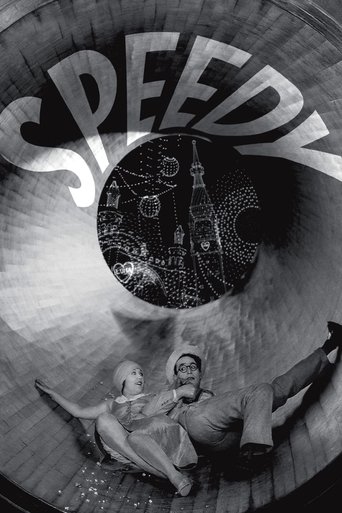
- Appeared in Harold Lloyd's 'Speedy' (1928)
- Transitioned successfully from silent to sound films
- Appeared in over 400 films during his career
- Worked with major studios including MGM and Warner Bros.
Best Known For
Iconic Roles
Must-See Films
Accolades
Special Recognition
- Hollywood Walk of Fame star (contributions to motion pictures)
Working Relationships
Worked Often With
Studios
Why They Matter
Impact on Culture
Ernie Adams represents the quintessential Hollywood character actor whose contributions, while often uncredited, were essential to the fabric of Golden Age cinema. His extensive filmography provides a visual record of American cinema's evolution from silent films through the classic studio era. Adams' ability to adapt to changing technologies and audience tastes demonstrated the resilience required for longevity in Hollywood. His performances in hundreds of films helped establish the archetype of the reliable supporting character that would become crucial to Hollywood's storytelling formula. The sheer volume of his work makes him a significant figure in understanding the scope and scale of Hollywood's golden age production system.
Lasting Legacy
Ernie Adams' legacy endures through the vast catalog of films in which he appeared, many of which are now considered classics of American cinema. His career shows the importance of character actors in creating the Hollywood's golden age. Film historians and classic movie enthusiasts continue to recognize his contributions to cinema history, with his appearances in films by legendary directors providing insight into the collaborative nature of classic Hollywood filmmaking. His work exemplifies the dedication and craft of the unsung heroes of cinema who, while never achieving stardom, were essential to the success of countless films.
Who They Inspired
While not a star who influenced acting techniques directly, Ernie Adams influenced generations of character actors through his example of professionalism and versatility. His ability to consistently deliver quality performances regardless of role size set a standard for supporting players in Hollywood. His successful transition from silent films to talkies provided a model for other actors facing similar challenges. The reliability and adaptability he demonstrated became benchmarks for character actors throughout the studio era and beyond.
Off Screen
Ernie Adams was known as a dedicated family man who maintained a relatively private personal life despite his extensive film career. He married early in his career and remained married until his death. Unlike many Hollywood figures of his era, Adams avoided scandal and maintained a reputation for professionalism and reliability both on and off set. He was known among his colleagues as a hardworking actor who took his craft seriously, regardless of the size of his roles. His dedication to his family and his profession made him a respected figure in the Hollywood community.
Education
Limited formal education, primarily self-taught in acting through theater experience before entering films
Family
- Beatrice Dumar (married 1910-1947)
Did You Know?
- Appeared in over 400 films during his 28-year career
- Often without on-screen billing in his film roles, particularly in the 1930s and 1940s
- Was a favorite of director Frank Capra, appearing in multiple films
- His real name was Ernest Stephen Dumar
- Began his career in vaudeville before transitioning to films
- Was one of the few actors who successfully made the transition from silent films to talkies without interruption
- Often played the same type of character across different films, becoming a familiar face to movie audiences
- His final film appearance was posthumously released in 1948
- Worked with virtually every major star of the golden age
- Was known for his punctuality and professionalism on set
In Their Own Words
Acting isn't about being the star, it's about making the whole picture work
Every role, no matter how small, is important to the story
The transition to sound was challenging, but good acting is good acting in any medium
Frequently Asked Questions
Who was Ernie Adams?
Screen credits include over 400 films from 1919 to 1947, working throughout the silent era and Golden Age of Hollywood. He was known for his versatility in playing supporting roles, from villains to authority figures, in numerous classic films.
When was Ernie Adams born and when did he die?
Born June 18, 1885; died November 26, 1947.
What awards did Ernie Adams win?
While Ernie Adams did not receive major acting awards or nominations during his career, he was honored with a star on the Hollywood Walk of Fame for his contributions to motion pictures. His legacy lies in his extensive body of work rather than formal recognition.
What was Ernie Adams' acting style?
Ernie Adams was known for his naturalistic and adaptable acting style, excelling in both dramatic and comedic roles. His silent film background gave him excellent facial expressiveness, while his distinctive voice and appearance made him memorable in talkies. He was particularly skilled at playing authority figures and villains with authenticity.