Films
3 films
About James Bradbury Jr.
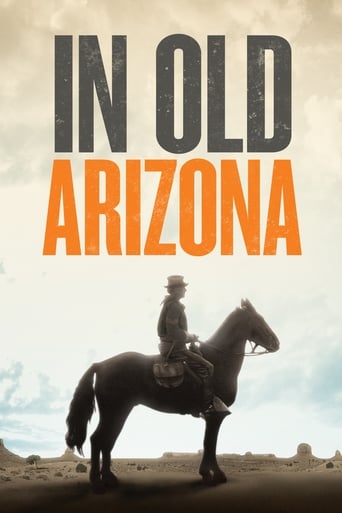
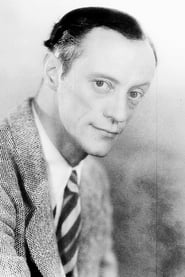
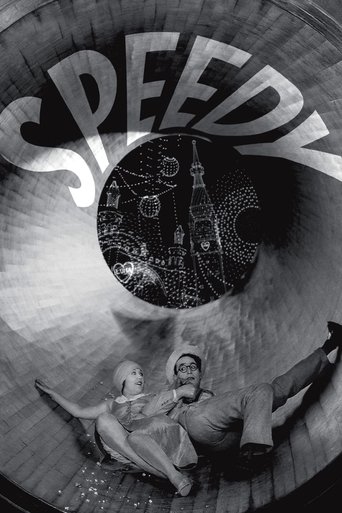
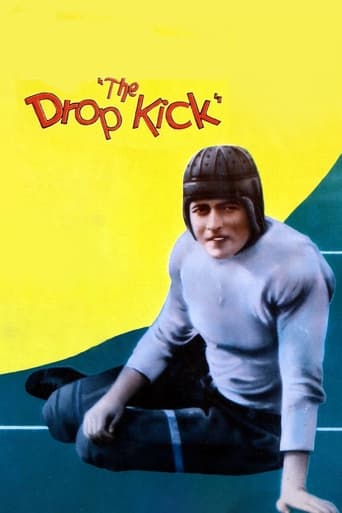
American character actor who had a brief but notable career during the pivotal transition period from silent films to talkies in the late 1920s. His filmography, though spanning only two years from 1927 to 1928, includes appearances in several significant films of the era. James appears in 'The Drop Kick' (1927), a football drama starring Richard Barthelmess, and 'In Old Arizona' (1928), which was as one of the first talking pictures and earned Warner Baxter an Academy Award for Best Actor. Bradbury also had a role in Harold Lloyd's beloved comedy 'Speedy' (1928), which was one of the comedian's final silent masterpieces. Like many character actors of the period, Bradbury's career appears to have been brief, possibly due to the challenges many faced adapting to the new sound era or perhaps by personal choice. His roles, while not leading parts, placed him in the company of some of the most significant stars and films of late silent cinema.
The Craft
Milestones
- Appeared in 'In Old Arizona' (1928), one of the first talking pictures
- Worked with Harold Lloyd in 'Speedy' (1928)
- Participated in the transition from silent to sound films
- Appeared in three notable films during a two-year span
Best Known For
Iconic Roles
Must-See Films
Working Relationships
Worked Often With
Why They Matter
Impact on Culture
James Bradbury Jr.'s contribution to cinema, while not extensive, represents the work of the many character actors who populated the films of Hollywood's transition period. His appearance in 'In Old Arizona' places him within the historical context of early sound cinema, as this film was among the talking pictures that helped revolutionize the industry. By working with major stars like Harold Lloyd and appearing in significant films of the era, Bradbury was part of the machinery that created some of late silent cinema's most memorable works, even if his specific contributions were small.
Lasting Legacy
James Bradbury Jr.'s legacy is that of a representative figure from the thousands of working actors who populated Hollywood films during the silent and early sound era. While not remembered as a major star, his appearances in historically significant films ensure that his work is preserved and can be studied by film historians interested in the supporting players who brought depth to classic cinema. His brief career coincided with.
Who They Inspired
As a character actor with a brief career, James Bradbury Jr. Did not have a significant influence on subsequent generations of actors or filmmakers. However, his work in the films of 1927-1928 contributes to the overall tapestry of late silent cinema and helps document the types of performances and roles that were typical of the period.
Off Screen
Very little information is available about James Bradbury Jr.'s personal life, which is not uncommon for character actors from the silent era who were not major stars. His brief film career suggests he may have pursued other interests or professions after his time in Hollywood.
Did You Know?
- His entire known film active years covered only two years, from 1927 to 1928
- He appeared in 'In Old Arizona', which was one of the first movies with synchronized dialogue
- Speedy (1928) was Harold Lloyd's last silent film and one of his most successful
- The Drop Kick (1927) was an early football film that helped establish sports movie conventions
- Like many actors of his era, his career coincided with the massive industry shift from silent to sound films
- All three of his known films were produced by different studios, suggesting he may have been a freelance actor
- His filmography represents the final years of the silent era and the dawn of the sound age
Frequently Asked Questions
Who was James Bradbury Jr.?
Screen credits include several notable films during the late 1920s, including 'The Drop Kick' (1927), 'In Old Arizona' (1928), and Harold Lloyd's 'Speedy' (1928). His career was brief, spanning only two years from 1927 to 1928, placing him during the pivotal transition from silent films to talkies.
What films is James Bradbury Jr. Best known for?
Titles linked here include The Drop Kick (1927), In Old Arizona (1928).
When was James Bradbury Jr. Born and when did he die?
Unfortunately, specific birth and death dates for James Bradbury Jr. Are not readily available in historical records, which is not uncommon for character actors from the silent era who were not major stars. His film career is documented only for the years 1927-1928.
What awards did James Bradbury Jr. Win?
There are no records of James Bradbury Jr. Receiving any major awards or nominations during his brief acting career. However, he did appear in 'In Old Arizona' (1928), which won Warner Baxter the Academy Award for Best Actor, making Bradbury part of an Academy Award-winning production.
What was James Bradbury Jr.'s acting style?
Specific details about James Bradbury Jr.'s acting style are not well-documented, likely due to his brief career and supporting roles. As a character actor during the silent-to-sound transition, he would have been trained in the expressive style typical of silent films while adapting to the new demands of sound acting.