Films
1 film
About Ann Christy
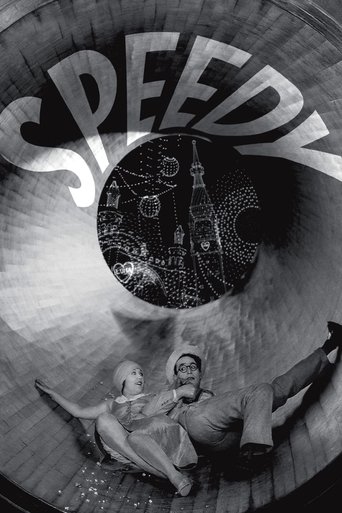
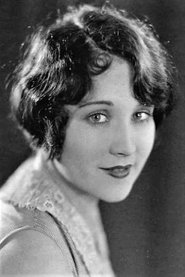
American actress who briefly appeared in Hollywood films during the transition from silent to sound cinema. Her most notable role was in Harold Lloyd's classic comedy 'Speedy' (1928), where she played the female lead opposite Lloyd. This film, directed by Ted Wilde, was one of Lloyd's most successful features and his final silent film before fully embracing sound pictures. Christy's performance showcased the charm and screen presence that characterized leading ladies of the late silent era. Despite her promising debut in a major production, her film career appears to have been extremely brief, lasting only through 1928. Like many actors of the period, she may have struggled with the transition to talkies or chosen to leave the industry for personal reasons. Her legacy remains tied primarily to her work in 'Speedy,' which continues to be celebrated as a masterpiece of silent comedy.
The Craft
On Screen
Christy embodied the classic silent film leading lady style with expressive facial features and graceful movements that complemented physical comedy. Her performance in 'Speedy' demonstrated the ability to balance romantic chemistry with comedic timing, essential for working alongside Harold Lloyd's energetic persona. Like many silent era actresses, she relied heavily on visual storytelling through gestures and expressions to convey emotion and character development.
Milestones
- Leading role in Harold Lloyd's 'Speedy' (1928)
- Appeared during the final peak of silent cinema era
Best Known For
Iconic Roles
Must-See Films
Working Relationships
Worked Often With
Studios
Why They Matter
Impact on Culture
Ann Christy's contribution to cinema, while brief, is preserved through her role in 'Speedy,'. The film itself is considered a masterpiece and showcases New York City life in the late 1920s, including famous scenes at Yankee Stadium and Coney Island. Christy's role as the romantic interest demonstrated the essential function of leading ladies in silent comedies, providing emotional grounding and romantic tension to the physical comedy.
Lasting Legacy
Ann Christy's legacy is intrinsically tied to her performance in 'Speedy,' which continues to be screened at film festivals and studied by cinema historians. While she may not have achieved the lasting fame of other silent era stars, her contribution to one of Harold Lloyd's most celebrated works ensures her place in film history. The film's preservation and continued appreciation means that Christy's performance remains accessible to new generations of silent film enthusiasts.
Who They Inspired
As an actress with a very brief career, Ann Christy's direct influence on other performers appears limited. However, her work in 'Speedy' serves as an example of the type of performances expected from leading ladies in silent comedy, balancing romance with comedy and supporting the star's physical gags.
Off Screen
Very limited information is available about Ann Christy's personal life, which is not uncommon for actors who had brief careers in the silent era. Like many performers of her time, detailed biographical information was not extensively preserved, particularly for those who did not achieve long-lasting fame.
Did You Know?
- 'Speedy' was Harold Lloyd's final silent film
- The film features cameo appearances by Babe Ruth
- Ann Christy played Jane Dillon, Harold Lloyd's love interest in the film
- 'Speedy' was nominated for an Academy Award for Best Director (Comedy Picture) at the 1st Academy Awards
- The film's title refers to Harold Lloyd's nickname in the movie
- Much of 'Speedy' was filmed on location in New York City
- The movie includes scenes at actual New York landmarks including Yankee Stadium
- Ann Christy's career appears to have lasted only one year, making her one of many brief appearances in silent cinema
Frequently Asked Questions
Who was Ann Christy?
Screen credits include silent films during 1928, best known for her role as Jane Dillon in Harold Lloyd's comedy 'Speedy.' She had a brief career that appears to have lasted only one year, but she left her mark through her performance in.
What films is Ann Christy best known for?
Titles linked here include Speedy (1928).
When was Ann Christy born and when did she die?
Born 1905; died death date not listed.
What awards did Ann Christy win?
There are no records of Ann Christy receiving any major awards or nominations during her brief acting career. However, the film 'Speedy' was nominated for an Academy Award for Best Director (Comedy Picture) at the inaugural Academy Awards.
What was Ann Christy's acting style?
Ann Christy's acting style embodied the classic silent film leading lady approach, using expressive facial features and graceful movements to convey emotion. In 'Speedy,' she demonstrated the ability to provide romantic chemistry while complementing Harold Lloyd's physical comedy, a skill essential for silent era performers.