Reed Howes
Actor
Born: July 5, 1900 in Washington, D.C., United States Died: August 6, 1964 Active: 1921-1958 Birth Name: Hermon Reed Howes
Films
3 films
About Reed Howes
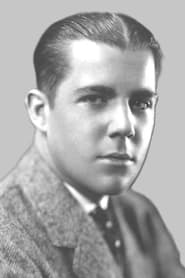
Reed Howes, born Hermon Reed Howes, began his entertainment career as one of America's most famous male models during the 1920s, serving as one of the 'Arrow Collar Men' in advertisements. His striking good looks and chiseled features helped him transition naturally into silent films, where he became a prominent leading man and character actor. Howes appeared in over 150 films throughout his career, working with major studios including Paramount, MGM, and Warner Bros. He successfully made the transition from silent films to talkies, though his roles gradually shifted from leading man to supporting parts as he aged. During World War II, he served in the U.S. Army Air Forces, temporarily interrupting his film career. After the war, he continued acting in smaller roles and television appearances until his retirement in the late 1950s. His three decades of Hollywood's transformation from silent cinema through the golden age of studio pictures.
The Craft
On Screen
Howes was known for his polished, sophisticated screen presence and handsome leading man looks. In silent films, he excelled at romantic drama and comedy, using expressive facial features and body language characteristic of the era. His acting style evolved with the transition to sound, where his clear diction and commanding voice served him well in both dramatic and supporting roles. He often portrayed aristocratic characters, businessmen, or military officers due to his dignified bearing and tall, athletic physique.
Milestones
- Became one of the famous 'Arrow Collar Men' models in the early 1920s
- Transitioned successfully from modeling to silent film stardom
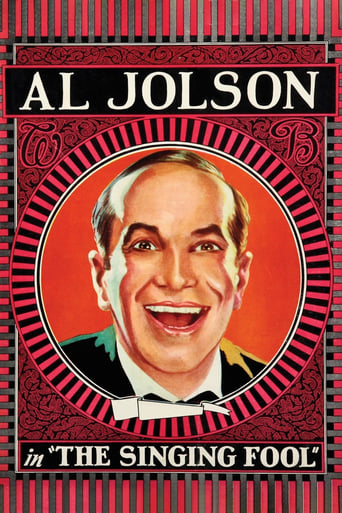
- Appeared in Al Jolson's 'The Singing Fool' (1928), one of the biggest hits of the early sound era
- Made the successful transition from silent films to talkies
- Served in the U.S. Army Air Forces during World War II
- Appeared in over 150 films throughout his career
Best Known For
Iconic Roles
Must-See Films
Accolades
Special Recognition
- Hollywood Walk of Fame star (located at 1719 Vine Street)
Working Relationships
Worked Often With
Studios
Why They Matter
Impact on Culture
Reed Howes represents the archetype of the silent era leading man who successfully navigated the transition to sound films. As one of the original 'Arrow Collar Men,' he helped establish the standard of male beauty and sophistication in American advertising and popular culture during the 1920s. His career trajectory from model to silent film star to character actor mirrors the evolution of Hollywood itself during its formative decades. Howes' ability to adapt his acting style and screen persona across different eras of filmmaking demonstrated the versatility required for longevity in the rapidly changing film industry.
Lasting Legacy
Reed Howes left a lasting legacy as one of Hollywood's most reliable supporting actors during the golden age of cinema. With over 150 film appearances, he contributed to the fabric of American film history, appearing alongside many of the era's biggest stars. His Hollywood Walk of Fame star serves as a permanent tribute to his contributions to the entertainment industry. Howes is remembered by film historians as an example of the working actor who maintained steady employment through multiple transitions in the film industry, from silent films to sound, and from the studio system to early television.
Who They Inspired
While not a major star who influenced acting techniques or film styles, Reed Howes influenced younger actors through his example of professionalism and adaptability. His successful transition from modeling to acting provided a template for other models seeking to enter the film industry. His longevity in the business demonstrated the importance of versatility and the willingness to accept character roles as one matured in the industry, a lesson that influenced many subsequent generations of actors.
Off Screen
Reed Howes was married three times throughout his life. His first marriage was to actress Ethel Grey Terry in 1925, which ended in divorce in 1931. He then married Mary McBride in 1932, and they remained together until her death in 1958. His third marriage was to Phyllis Howes in 1960, which lasted until his death in 1964. Howes was known as a private individual who rarely discussed his personal life in public, focusing instead on his professional work and military service during World War II.
Education
Attended Cornell University before leaving to pursue modeling and acting careers
Family
- Ethel Grey Terry (1925-1931)
- Mary McBride (1932-1958)
- Phyllis Howes (1960-1964)
Did You Know?
- Was one of the original 'Arrow Collar Men' models, making him one of America's first male supermodels
- His good looks earned him the nickname 'The Perfect Profile'
- Appeared as an uncredited extra in 'The Ten Commandments' (1923) early in his career
- Served as a pilot in the U.S. Army Air Forces during World War II
- Was a skilled horseman and performed many of his own stunts in westerns
- His height of 6'2" made him an imposing presence on screen
- Was a founding member of the Hollywood Cricket Club
- Appeared in both the silent and sound versions of some films
- Was friends with fellow actor John Wayne from their early days at Fox
- Retired from acting in 1958 but continued to make occasional television appearances until 1960
In Their Own Words
Being a model taught me the importance of camera angles and how to present myself to the audience - skills that served me well when I started acting in films.
The transition from silent to sound wasn't as difficult for me as it was for some others. I had a good voice and clear diction from my education at Cornell.
Frequently Asked Questions
Who was Reed Howes?
American with credits in this catalog. He began his career as one of the famous 'Arrow Collar Men' models before transitioning to acting, successfully making the move from silent films to talkies.
What films is Reed Howes best known for?
Titles linked here include The Singing Fool (1928), The Big Trail (1930).
When was Reed Howes born and when did he die?
Born July 5, 1900; died August 6, 1964.
What awards did Reed Howes win?
While Reed Howes did not receive major acting awards or nominations during his career, he was honored with a star on the Hollywood Walk of Fame, located at 1719 Vine Street, recognizing his contributions to the film industry.
What was Reed Howes' acting style?
Howes was known for his polished, sophisticated screen presence and handsome leading man appearance. In silent films, he used expressive facial features and body language, while in talkies, his clear diction and commanding voice served him well in portraying aristocratic characters, businessmen, and military officers.