War Nurse
Plot
During the opening months of World War I, a group of women from very different social backgrounds volunteer to serve as nurses in France, each bringing her own hopes, insecurities, and motives to the war effort. As they are thrown together in the harsh reality of a military hospital, the women are forced to adapt quickly to the physical and emotional demands of treating wounded soldiers under difficult and often dangerous conditions. The film follows their personal sacrifices and the bonds that develop among them, while romance and wartime duty intersect in the larger atmosphere of upheaval. Against the backdrop of the early war years, the story emphasizes both patriotism and the human cost of conflict, showing how war transforms ordinary lives and tests ideals of courage, devotion, and selflessness.
About the Production
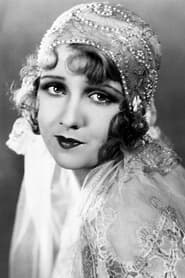
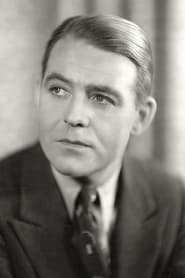
War Nurse was produced during the early sound era at Metro-Goldwyn-Mayer and directed by Edgar Selwyn, who was working in Hollywood after a background in theater and silent-film-era filmmaking. The film was adapted from the 1924 play by Daniel N. Rubin, which gave it a stage-derived structure and a strong emphasis on character interaction rather than large-scale battlefield spectacle. Like many early 1930 productions, it was mounted with careful attention to dialogue and performance while still carrying over some visual and narrative habits from late silent cinema. The film is also notable for featuring Robert Montgomery and Anita Page in an MGM wartime melodrama aimed at adult audiences interested in contemporary-style drama with romance and patriotic sentiment.
Historical Background
War Nurse was made in 1930, at the start of the Great Depression and only a few years after the silent era gave way to synchronized sound cinema. Hollywood in this period was rapidly standardizing talkies, refining dialogue-heavy storytelling, and adapting popular stage works because they provided proven material and strong character roles. The First World War remained an important dramatic subject in the public imagination, but films about the war in the early sound era often emphasized sacrifice, service, and emotional resilience rather than the more disillusioned antiwar tone that would become increasingly prominent later in the decade. The film also reflects changing ideas about women’s roles: it centers women not as passive bystanders but as active participants in wartime service, while still framing their experience through romance and conventional melodramatic structure. In that sense, it is a useful artifact of early-1930s Hollywood attitudes toward gender, patriotism, and duty.
Why This Film Matters
Although War Nurse is not among the best-remembered films of its era, it is culturally significant as a representative early sound-era MGM drama that places women’s wartime labor at the center of the story. The film contributes to the long cinematic tradition of portraying nurses as symbols of sacrifice, competence, and emotional endurance, while also linking that ideal to romance and personal transformation. Its value today lies partly in how it reflects the studio system’s approach to adapting stage properties and in how it documents the early screen careers of performers such as Robert Montgomery and Anita Page. For scholars and classic-film enthusiasts, it offers a view into how Hollywood in 1930 processed World War I memory, female service, and melodramatic storytelling at the dawn of the sound era.
Making Of
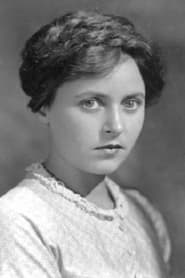
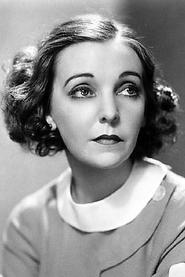
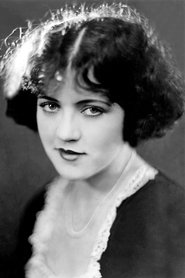
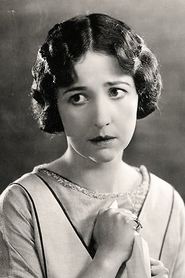
War Nurse was shaped by MGM’s early-1930s production model, which often paired experienced stage material with dependable studio stars and efficient in-house production values. Edgar Selwyn, who had spent much of his career in theater, was well suited to material that relied on dialogue, emotional tension, and ensemble interactions among the women in the nursing unit. The casting of Anita Page and Robert Montgomery gave the film youthful appeal, while June Walker added theatrical credibility and experience. As with many early sound productions, the challenge was to preserve dramatic energy while working within the more static technical limits of early microphones and recording equipment, so performance and dialogue clarity likely took precedence over elaborate visual movement. The film’s World War I setting also allowed MGM to present a morally serious romance drama without the expense of large-scale combat staging.
Visual Style
War Nurse’s visual style would have been shaped by the conventions of early sound cinematography, which often favored carefully arranged, dialogue-friendly compositions and relatively restrained camera movement. Rather than relying on elaborate visual flourish, the film likely emphasizes faces, interpersonal reactions, and staged group scenes that keep the emotional dynamics clear. The hospital and wartime settings provide opportunities for contrast between the controlled studio environment and the harshness implied by battlefield injury and medical crisis. As an MGM production, it would have benefited from polished lighting and solid craftsmanship, even if it did not pursue the more expressionistic visual strategies found in later war films.
Innovations
War Nurse does not appear to be associated with major technical innovations, but it is representative of the important technical transition from silent to sound filmmaking. Its significance lies in the integration of dialogue-driven dramatic structure with studio-era production values, reflecting how MGM adapted stage material for the new era of synchronized sound. Early sound recording placed constraints on staging and camera mobility, so the film is historically interesting as an example of how filmmakers balanced theatrical performance styles with cinematic presentation. It also demonstrates the studio’s ability to produce polished genre melodrama efficiently within the technical limits of the period.
Music
As a 1930 early sound film, War Nurse would have used synchronized dialogue and period-appropriate musical accompaniment, but detailed information about a separate composed score is not readily documented in surviving reference sources. Like many films of its era, it likely relied on studio-created orchestral underscoring and musical cues rather than a prominently credited original soundtrack. Specific song titles or score credits are not widely cited in available archival references. The main sonic emphasis would have been on spoken performance, with music serving to support emotional transitions and dramatic atmosphere.
Famous Quotes
Null
Memorable Scenes
- The arrival of the women volunteers in France, where the film establishes their different backgrounds and the seriousness of their commitment to wartime nursing.
- The hospital sequences in which the nurses confront the physical realities of wounded soldiers and the emotional strain of caring for them under wartime pressure.
- The romantic and emotional exchanges that develop between characters as duty and personal feeling compete for attention during the conflict.
Did You Know?
- War Nurse was released in the transitional early sound period, when Hollywood studios were still adapting stage-based material for talkies.
- The film was based on Daniel N. Rubin’s 1924 Broadway play, which had already established the story’s focus on women nurses during the First World War.
- Edgar Selwyn was a significant figure in American theater before entering film direction, and this project reflects that stage influence in its emphasis on ensemble dialogue and emotional scenes.
- Robert Montgomery and Anita Page were among MGM’s rising young stars in the early 1930s and were frequently used by the studio in romantic dramas.
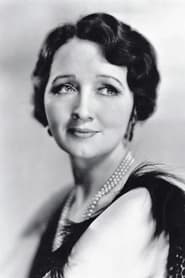
- June Walker, who appears in the cast, was a noted stage actress, further reinforcing the production’s theatrical pedigree.
- The film is set during World War I but was made in the shadow of the First World War’s lingering cultural memory rather than as a contemporary war picture.
- Because the film is relatively obscure today, many of its surviving references come from studio records, catalogs, and archival film listings rather than from extensive modern scholarship.
- War Nurse fits into an MGM pattern of polished, middle-budget dramatic features built around recognizable stars and respectable literary or stage source material.
What Critics Said
Detailed contemporary review data for War Nurse is limited in surviving modern reference sources, suggesting that it was received as a standard MGM dramatic feature rather than as a major prestige release. As an early talkie adapted from a stage work, it likely drew notice primarily for its performances and sentimental war story rather than for formal innovation. In later film-history discussion, it tends to be mentioned more as a curiosity or obscurity within MGM’s early sound output than as a canonical title. Its current critical standing is therefore mostly archival: scholars value it for historical context, cast, and genre study rather than for a widely discussed auteur reputation.
What Audiences Thought
No reliable aggregate audience data survives for the film, but its release through MGM and its casting of familiar studio players suggest it was designed for a broad adult audience that enjoyed melodrama, romance, and war-set drama. Early 1930 audiences were accustomed to stage-derived talking pictures, and the film’s mix of medical-staff heroism and romantic tension would have fit mainstream tastes of the period. Today it is largely known to classic-film viewers, archivists, and researchers rather than to mass audiences. Its obscurity implies that it did not become a long-lived repertory favorite, though it remains of interest to those exploring early sound cinema and MGM’s lesser-known dramatic productions.
Film Connections
Influenced By
- Daniel N. Rubin's 1924 stage play War Nurse
- World War I nursing dramas and melodramas common in theater and early cinema
- Early sound-era MGM stage adaptations
This Film Influenced
- Later wartime nursing dramas
- Women-at-war melodramas of the 1930s and 1940s
You Might Also Like
More War Films
View allMore from Edgar Selwyn
View allFilm Restoration
The film is considered a surviving early sound feature rather than a lost title, though access may be limited and prints or digital copies are not widely circulated. It is not commonly available in mainstream home-video or streaming circulation, which contributes to its obscurity. Archival references indicate that the film exists in preservation records and can be identified through cataloging sources, but public availability remains limited.