
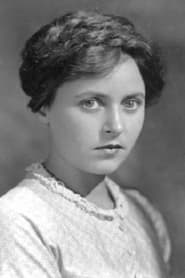
June Walker
Actor
- Active
- 1930-1930
Films 1
About June Walker
June Walker was an American stage and screen actress whose career bridged the Broadway era and the early sound period in Hollywood. She is best remembered today for appearing in the early all-talking drama War Nurse (1930), a film that places her in the brief but important transition from silent filmmaking to sound cinema. Walker was already established as a performer before her screen work, and like many actresses of her generation, her reputation was shaped more strongly by theater than by motion pictures. Her film career appears to have been limited, with surviving references emphasizing only a small number of screen appearances rather than a long Hollywood tenure. Because of that, she is less widely documented than major studio-era stars, but she remains a part of early talkie history and the roster of stage-trained performers who moved into film during the industry’s technological shift. Available records do not provide a complete public account of her life, making her something of a minor but intriguing figure in classic cinema documentation. Her name is sometimes searched alongside other women with the same or similar name, but the actress associated with War Nurse is the early 20th-century performer active around 1930.
More about June Walker
On screen
No detailed contemporary acting analyses of June Walker are widely preserved, but her background suggests the kind of stage-oriented performance style common among early sound-era actresses. Performers like Walker typically brought clear diction, theatrical projection, and a controlled, dialogue-centered approach that suited the first generation of talkies. Since her screen work is sparsely documented, any more specific characterization would be speculative.
In film history
June Walker’s cultural significance lies less in stardom than in what she represents historically: the many capable stage actors who entered film during the unstable early years of sound cinema. War Nurse (1930) belongs to the period when Hollywood was testing new dramatic forms, new recording practices, and new kinds of screen performance, and Walker’s presence places her within that transition. Even when individual performers did not become major stars, they contributed to the texture of early talkies and helped define the acting conventions that audiences would accept as cinematic dialogue acting. As a result, her value to film history is archival and contextual as much as celebrity-based.
Later reputation
June Walker’s lasting legacy is as a documented participant in the first wave of sound-era Hollywood, especially through War Nurse (1930). While she did not leave behind a large known screen body of work, the preservation of her credit helps historians trace the movement of theatrical performers into film. Her name survives in classic cinema databases as part of the broader history of early talkies, where many performers had brief but important screen careers. For researchers and enthusiasts of vintage film, she is a reminder that early Hollywood was built not only by enduring stars but also by lesser-known actors whose contributions are recorded in cast lists and studio-era ephemera.
Influence
There is no clear record of June Walker directly mentoring later performers or exerting a documented stylistic influence on major screen actors. Her broader influence is indirect: as part of the early sound-era pool of stage performers, she helped populate the transitional screen culture that normalized dialogue-driven performance. In this sense, her contribution is historical rather than personal, reflecting the early talkie movement’s dependence on theatrical talent.
Off screen
Publicly accessible biographical information about June Walker is very limited, and reliable sources do not consistently preserve details about her family, marriages, or private life. She appears primarily in reference works as a performer rather than as a widely publicized celebrity, which may explain the scarcity of personal data. No confirmed spouse or children information could be verified from the available classic-cinema record.
Education
Likely stage-trained or theatrically educated, but no verified formal education record is readily available in standard classic-cinema references.
Credits
- Appeared in the early sound film War Nurse (1930), one of her best-documented screen credits
- Represents the class of stage-trained performers who entered motion pictures during the early talkie era
- Serves as a credited early-1930s film actress whose name survives in classic cinema filmographies
Roles
- A cast role in War Nurse (1930)
Films
- War Nurse (1930)
Notes
- June Walker is associated in classic film records with War Nurse (1930), making her a name of interest mainly to early sound-film researchers.
- Her career appears to have been much more active in theater than in cinema, which is common for performers of her generation.
- She is not the same person as later or similarly named entertainers, and her identification is tied specifically to early 1930s film documentation.
- Her lack of extensive surviving biographical data makes her a semi-obscure figure in film history despite being credited in a known motion picture.
- Actresses who moved from stage to screen in 1930 often had strong vocal delivery skills, which were especially valuable during the transition to sound.
- Because her filmography is so small, every surviving credit is important for accurately reconstructing her career.
Questions
Who was June Walker?
June Walker was an American actress associated with the early sound era of cinema, best known in surviving film records for War Nurse (1930). She appears to have been primarily a stage performer, with her screen career documented only sparsely in available classic-cinema sources.
What films is June Walker best known for?
She is best known for War Nurse (1930), the early talking-picture drama that is her most clearly documented screen credit. Her filmography appears to be limited, so this title is the central surviving reference point for her movie career.
When was June Walker born and when did she die?
Reliable public sources available for classic cinema research do not consistently preserve June Walker’s birth and death dates. As a result, her exact birth and death information is currently unverified in the historical record used here.
What awards did June Walker win?
No major awards or formal honors could be verified for June Walker from the available classic-cinema record. Her historical importance lies more in her participation in early sound film than in widely documented award recognition.
What was June Walker's acting style?
Specific critical descriptions of her style are not widely preserved, but as a stage-trained performer in an early talkie, she likely relied on clear speech, composed delivery, and theatrical control. That style fit the demands of early sound filmmaking, which often favored articulate, performance-centered acting.
What is June Walker's legacy in film history?
Her legacy is as a documented participant in the transition from stage to early sound cinema. Even with a limited filmography, she remains part of the historical record of performers who helped shape Hollywood’s first generation of talkies.