1923 · 125 minutes

Also available on: YouTube Archive.org
The White Sister

The White Sister

1923 125 minutes United States
Sacrifice and renunciationRomantic devotion versus religious vocationClass and inheritanceFaith and spiritual callingJealousy and betrayal

Plot

Angela Chiaromonte, the beloved daughter of an Italian prince, is suddenly left vulnerable when her father dies in a riding accident and the inheritance he intended for her is destroyed by her jealous older half-sister. Reduced from privilege to uncertainty, Angela remains devoted to the elegant Captain Giovanni Severi, the man she loves and is meant to marry. When Giovanni is reported lost after being captured during an expedition in Africa, Angela interprets his apparent death as a call to renounce worldly life and enters a convent. The emotional conflict intensifies when Giovanni survives captivity and makes his way back to Italy, while Angela has already taken vows and is bound to her new life as a nun. The story culminates in a dramatic crisis during the eruption of Mount Vesuvius, where personal sacrifice, faith, and romantic devotion collide in a heightened melodramatic finale.

About the Production

Release Date 1923-02-02
Production First National Pictures, Associated First National Pictures
Filmed In California, USA, Metro-Goldwyn-Mayer studios, Culver City, California, Exterior and backlot sets designed to evoke Italy and the Neapolitan region

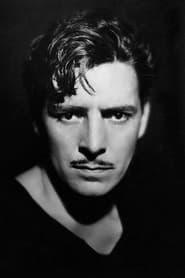
The White Sister was one of Lillian Gish's major silent-era vehicles and an important prestige production for First National Pictures. It was adapted from a popular novel and stage play by Francis Marion Crawford, giving the film a strong literary pedigree that fit early-1920s studio ambitions for high-class melodrama. The eruption climax required elaborate studio effects and careful staging to convey volcanic destruction on the scale expected of an epic romance. Like many early feature productions, it relied on painted sets, large-scale crowd scenes, and expressive close-ups rather than location shooting in Italy, while still striving for an evocative Mediterranean atmosphere. The film was designed as a star-driven production emphasizing Gish's emotional intensity and the romantic appeal of Ronald Colman.

Historical Background

The White Sister was made during the height of the American silent feature era, when Hollywood studios were refining the feature-length melodrama into a prestige art form. In 1923, the industry was competing for audiences with increasingly elaborate productions, and films based on well-known books or plays were a reliable way to signal quality and sophistication. The post-World War I period also saw a strong appetite for stories of sacrifice, spiritual conflict, and romantic longing, themes that resonated with audiences navigating modernity, changing gender roles, and shifting moral values. The film's setting in Italy and its use of Catholic imagery fit a broader 1920s fascination with European romance and religious atmosphere, while the Vesuvius climax reflects the era's taste for sensational disaster spectacle. Historically, the film belongs to the mature phase of silent cinema just before the transition to sound, when visual storytelling, performance style, and intertitles had reached a high level of refinement.

Why This Film Matters

The White Sister is significant as a quintessential example of the silent-era romantic melodrama elevated through star casting and lush production values. It showcases Lillian Gish at a moment when she was one of the most influential actresses in the world, helping define a mode of screen acting that relied on nuance, vulnerability, and moral seriousness. The film also contributed to the screen image of Ronald Colman as a refined romantic lead, a persona that would remain central to his career. Its mixture of convent drama, aristocratic intrigue, and disaster spectacle reflects the period's ability to blend intimate emotion with grand visual climax, a template that would recur in later melodramas and historical romances. For modern film historians, it remains an important example of Henry King's ability to balance sentiment and spectacle within a classical silent narrative structure.

Making Of

The White Sister was mounted as a prestige melodrama at a time when studios increasingly valued literary adaptations and the bankability of established stars. Henry King, already respected for polished storytelling and emotional clarity, directed the film to emphasize both romance and spiritual conflict. Lillian Gish's involvement was especially important; she was among the most admired performers of the silent era and was associated with roles requiring deep emotional restraint and sacrifice, qualities central to Angela Chiaromonte. Production design had to conjure Italy, Africa, and a volcanic climax without the benefit of modern effects, so the film depended on carefully designed sets, miniatures, staged destruction, and camera placement to heighten danger and emotion. The finale involving Vesuvius likely presented one of the picture's greatest technical and logistical challenges, requiring the impression of natural catastrophe within the controlled conditions of a studio production. The film also reflects the international romanticism that studios often used to give melodramas a sense of scale and exotic allure.

Visual Style

The film's visual style follows the polished, expressive standards of early-1920s prestige silent cinema, using careful framing, rich set composition, and soft-focus romantic imagery to support the emotional arc. Close-ups are especially important for Lillian Gish's performance, allowing subtle shifts in expression to register clearly in silence. The production likely used layered staging, symbolic set design, and controlled lighting to distinguish the affluent domestic world, the convent, and the catastrophe scenes. The Vesuvius sequence would have required a more dynamic visual grammar, with broader compositions and dramatic movement to convey panic and environmental danger. Overall, the cinematography serves both character emotion and spectacle, a hallmark of Henry King's mature silent work.

Innovations

The film's most notable technical achievement is its dramatic disaster climax, which had to simulate the eruption of Mount Vesuvius and the resulting chaos using practical effects, set design, and cinematic staging. For a 1923 production, creating a believable volcanic catastrophe on studio resources was an impressive feat of ingenuity. The film also demonstrates the mature use of intertitle pacing, close-ups, and visual contrast to convey emotional complexity without dialogue. Its polished production values and large-scale scenic ambitions reflect the high technical standards of prestige silent features in the early 1920s.

Music

As a silent film, The White Sister did not have an original synchronized recorded soundtrack at release. It would have been accompanied in theaters by live music, typically a pianist, organist, or small orchestra depending on the venue, with cue sheets often supplied to guide the mood and pacing. Modern presentations of the film may use reconstructed or newly composed accompaniment tailored to surviving prints. Specific original score documentation is not widely preserved in standard references, so a definitive surviving premiere score is not generally known.

Memorable Scenes

  • Angela's heartbreaking decision to enter a convent after believing Giovanni has died, a sequence built around Gish's restrained but devastating emotional performance.
  • The revelation that Giovanni has survived captivity and is returning to Italy while Angela has already taken her vows, creating painful dramatic irony.
  • The climactic Mount Vesuvius eruption, which transforms the romance into a spectacle of danger, sacrifice, and spiritual test.
  • The burning of the will by Angela's half-sister, a pivotal act of betrayal that sets the tragedy in motion.

Did You Know?

  • The film pairs two of the silent era's most elegant screen personalities: Lillian Gish and Ronald Colman.
  • It was adapted from Francis Marion Crawford's 1909 novel The White Sister, which had already been turned into a successful stage play.
  • The eruption of Mount Vesuvius finale is one of the film's most famous spectacle sequences and was a major selling point in period advertising.
  • Lillian Gish was known for bringing meticulous emotional discipline to her roles, and this performance helped reinforce her reputation as one of the defining actresses of silent cinema.
  • The film helped further establish Ronald Colman as a leading romantic actor in American pictures.
  • The production reflects the 1920s studio practice of combining literary adaptation, star power, and dramatic spectacle to attract middle-class audiences.
  • The White Sister was remade as a sound film in 1933, underscoring the enduring popularity of the story in Hollywood.
  • The film's title refers to Angela's entrance into a convent, where she wears the white habit associated with novice and religious life.
  • As with many silent films of the period, original release materials and surviving prints vary, so running time can differ slightly depending on projection speed and restoration source.
  • The film is often discussed in relation to other religious-romantic melodramas of the silent era that balance devotion, sacrifice, and forbidden love.

What Critics Said

Contemporary reviews generally treated The White Sister as a handsome, emotionally potent prestige picture, praising Lillian Gish's performance and the film's luxurious production design and climactic spectacle. Critics often highlighted the melodramatic material as conventional but effective, noting that the strength of the cast and direction elevated the story. Henry King's handling was regarded as polished and efficient, with a strong sense of narrative momentum and emotional payoff. In later historical assessment, the film is valued less as a radical artistic experiment than as a finely made example of silent-era studio craftsmanship and as an important entry in the careers of Gish, Colman, and King. Surviving prints and restorations have helped maintain interest among scholars and silent-film enthusiasts, who often regard it as one of the more accomplished literary melodramas of the early 1920s.

What Audiences Thought

The film appears to have been well received by audiences who were drawn to its combination of romance, religious devotion, and disaster spectacle. Lillian Gish's popularity would have been a major attraction, and the film's emotional intensity likely appealed to viewers accustomed to silent melodrama's heightened expressions of love and sacrifice. The Mount Vesuvius climax gave audiences the kind of visual excitement that silent features often relied upon to create event status. Its longevity in popular memory and its later remake suggest that the story retained strong audience appeal beyond its original release. For contemporary viewers, it remains of interest primarily through repertory screenings, archival presentations, and silent-film preservation circles.

Film Connections

Influenced By

  • The White Sister by Francis Marion Crawford
  • The White Sister stage adaptation
  • Popular Catholic melodramas of the late 19th and early 20th centuries
  • Silent-era romantic melodrama conventions

This Film Influenced

  • The White Sister (1933)
  • Later convent melodramas and religious-romantic dramas
  • Silent and early sound films featuring volcanic disaster finales

Film Restoration

The film survives and is preserved; it is not considered lost. Surviving copies and restorations have circulated through archives and repertory screenings, though like many silent films it may exist in variant print materials and with differing completeness depending on the source.

Themes & Topics