
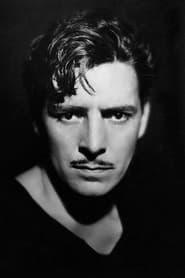
Ronald Colman
Actor
Born: February 9, 1891 in Richmond, Surrey, England Died: May 19, 1958 Active: 1917-1958 Birth Name: Ronald Charles Colman
Films
10 films
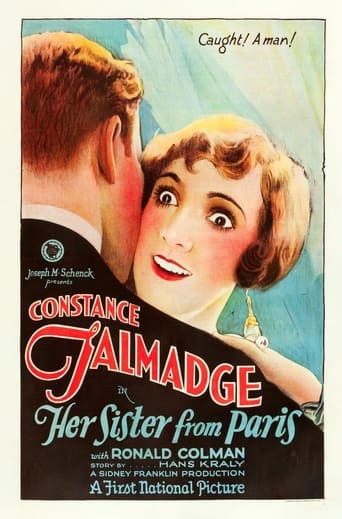
About Ronald Colman
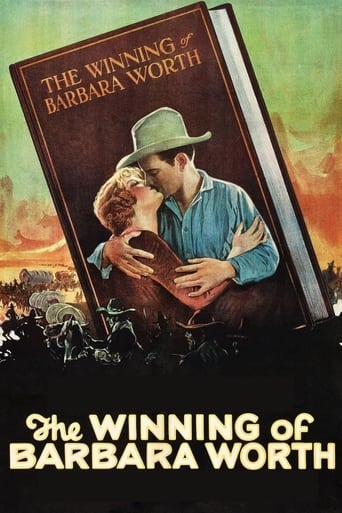
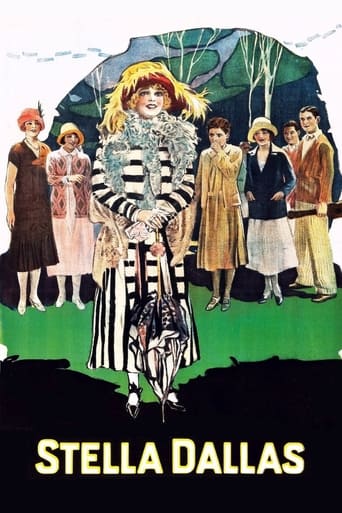
Ronald Colman — sophisticated actor of the Golden Age of Hollywood, known for his velvety baritone voice and aristocratic bearing. Born in Surrey, England, he began his career on the British stage before serving in World War I, where he was wounded at the Battle of Messines. After his recovery, he made his film debut in British shorts before being discovered by Hollywood director Henry King, who brought him to America in 1923. Colman quickly became a leading man in silent films, captivating audiences with his romantic presence in movies like 'Stella Dallas' and 'The Winning of Barbara Worth.' His smooth transition to sound films was remarkable, with his cultured British accent becoming one of his most distinctive assets. Throughout the 1930s and 1940s, he starred in numerous classic films including 'Lost Horizon,' 'A Tale of Two Cities,' and 'Random Harvest,' earning multiple Academy Award nominations. His career culminated in an Oscar win for 'A Double Life' (1947), where he portrayed an actor consumed by his Shakespearean roles. Colman continued working in film and television until his death in 1958, leaving behind a legacy as one of cinema's most elegant and versatile leading men.
The Craft
On Screen
Colman was renowned for his sophisticated, understated acting style characterized by remarkable subtlety and emotional depth. His performances were marked by a perfect balance of British restraint and passionate intensity, allowing him to convey complex emotions through minimal gestures and his famously expressive eyes. In silent films, he mastered the art of pantomime, using his aristocratic bearing and nuanced facial expressions to communicate character. With the advent of sound, his mellifluous baritone voice became his greatest asset, delivering lines with impeccable diction and emotional resonance. Colman specialized in portraying educated, often conflicted characters—gentlemen scholars, romantic idealists, and tortured souls—bringing a naturalistic quality that elevated melodramatic material. His technique involved careful preparation and a thoughtful approach to character development, resulting in performances that felt both authentic and elegantly refined.
Milestones
- Film debut in 'The Live Wire' (1917)
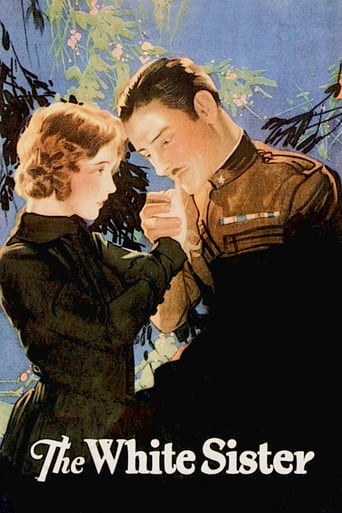
- Hollywood breakthrough in 'The White Sister' (1923)
- Successful transition to sound films
- Academy Award nomination for 'Condemned' (1929)
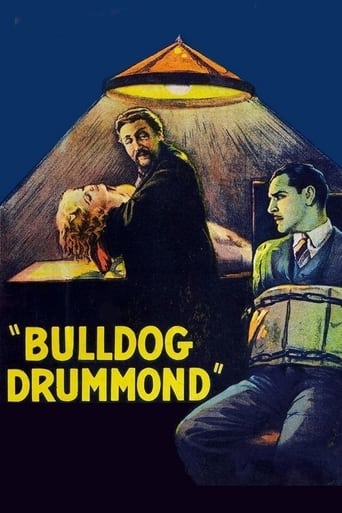
- Academy Award nomination for 'Bulldog Drummond' (1929)
- Starred in Oscar-winning 'A Tale of Two Cities' (1935)
- Academy Award nomination for 'Random Harvest' (1942)
- Academy Award win for 'A Double Life' (1947)
- Hosted 'The Ronald Colman Show' on radio
- Received an Honorary Academy Award in 1948
Best Known For
Iconic Roles
Must-See Films
Accolades
Won
- Academy Award for Best Actor (1948) - A Double Life
- Academy Honorary Award (1948)
- Golden Globe Award for Best Actor (1948) - A Double Life
- New York Film Critics Circle Award for Best Actor (1947) - A Double Life
Nominated
- Academy Award for Best Actor (1930) - Bulldog Drummond
- Academy Award for Best Actor (1930) - Condemned
- Academy Award for Best Actor (1936) - A Tale of Two Cities
- Academy Award for Best Actor (1943) - Random Harvest
- Academy Award for Best Actor (1948) - The Late George Apley
Special Recognition
- Hollywood Walk of Fame star (6601 Hollywood Blvd)
- AFI's Greatest Male Stars - Ranked #73
- British Film Institute's Greatest Screen Actors
- Inducted into the Hall of Famous Missourians (honorary)
Working Relationships
Worked Often With
Studios
Why They Matter
Impact on Culture
Ronald Colman significantly influenced Hollywood's transition from silent films to talkies, demonstrating how a stage-trained actor with a distinctive voice could dominate the new medium. His sophisticated, educated persona helped establish the archetype of the refined British leading man in American cinema, paving the way for actors like Laurence Olivier, David Niven, and George Sanders. Colman's success proved that audiences would embrace intellectual, complex characters, expanding the range of leading roles beyond the traditional action hero. His radio work, particularly 'The Halls of Ivy,' helped bridge the gap between film and television entertainment, showcasing his versatility across media. Colman also contributed to raising the artistic standards of Hollywood productions, consistently choosing quality projects over commercial ones and bringing theatrical gravitas to film acting.
Lasting Legacy
Ronald Colman's legacy endures as one of Hollywood's most elegant and versatile leading men, remembered for his ability to elevate any material through his sophisticated performances. His Academy Award-winning turn in 'A Double Life' remains a masterclass in portraying psychological complexity, while his romantic roles in films like 'Lost Horizon' and 'Random Harvest' continue to captivate audiences. Colman's smooth transition from silent films to talkies serves as a benchmark for career adaptability in the entertainment industry. His distinctive voice and diction influenced generations of actors and announcers, while his choice of intellectually challenging roles helped expand the artistic possibilities of commercial cinema. Today, film scholars and classic movie enthusiasts regard Colman as emblematic of Hollywood's golden age of sophistication and artistry, with many of his films preserved as cultural treasures in the American Film Institute's archives.
Who They Inspired
Colman influenced countless actors through his demonstration of how subtlety and restraint could be more powerful than overt emotional display. His approach to character development, combining intellectual preparation with naturalistic delivery, became a model for method actors who followed. The British actors who found success in Hollywood during the 1930s and 1940s often cited Colman as a pioneer who proved that English sophistication could appeal to American audiences. His radio work influenced the development of dramatic programming in that medium, while his television appearances in the 1950s helped establish standards for dramatic acting on the small screen. Contemporary actors like Daniel Day-Lewis and Ralph Fiennes have acknowledged studying Colman's technique for portraying complex, educated characters with psychological depth and emotional authenticity.
Off Screen
Ronald Colman led a relatively private personal life marked by two marriages and a devotion to his craft. He married actress Thelma Raye in 1920, but the marriage was turbulent and ended in divorce in 1934. In 1938, he married actress Benita Hume, with whom he shared both personal and professional happiness; they co-starred together in several films and had their own radio show 'The Halls of Ivy.' Colman was known for his intellectual pursuits, being an avid reader and collector of rare books. He was also a dedicated polo player and enjoyed gardening at his Beverly Hills home. Despite his stardom, he maintained a reputation for humility and professionalism, rarely engaging in Hollywood's social scene. His marriage to Benita Hume lasted until her death in 1967, and they had one daughter, Juliet Colman, who later became a writer.
Education
Attended boarding school in Sussex, England; studied at Cambridge University briefly before leaving to pursue acting
Family
- Thelma Raye (1920-1934)
- Benita Hume (1938-1958)
Did You Know?
- Was wounded at the Battle of Messines during World War I, which left him with a permanent limp
- His distinctive voice made him one of the highest-paid radio stars of the 1940s
- Turned down the role of Rhett Butler in 'Gone with the Wind' (1939)
- Was one of the few actors to successfully transition from leading man to character actor
- His daughter Juliet wrote a memoir titled 'Ronald Colman: A Very Private Person'
- Was a founding member of the Hollywood Cricket Club
- His contract with Samuel Goldwyn was
- Was nominated for four Academy Awards before finally winning for 'A Double Life'
- His radio show 'The Halls of Ivy' won a Peabody Award
- Was considered for the role of Sherlock Holmes in several films but never played the character
- His voice was used in early Disney cartoons as a reference for sophisticated male characters
- Was a close friend of fellow British actor David Niven
- His film 'Kismet' (1944) was the first time he sang on screen
- Was offered a knighthood but declined to remain focused on his American career
- His death from emphysema was attributed to his lifelong smoking habit
In Their Own Words
Acting is the most personal of all arts. Any actor worth his salt is his own worst critic.
The camera is a remarkable instrument. It records not only what you do, but what you think.
I have always believed that the less an actor does, the more effective he is.
Success in pictures is not a matter of looks or talent alone. It's a combination of everything—luck, timing, and being in the right place at the right time.
The transition from silent to sound pictures was not as difficult for me as it was for many others. I had been trained on the stage and knew how to use my voice.
I never wanted to be a star. I wanted to be an actor. There's a difference.
The best roles are those that challenge you, that force you to dig deep into yourself and find something you didn't know was there.
Frequently Asked Questions
Who was Ronald Colman?
British with credits in this catalog. Known for his velvety baritone voice and aristocratic demeanor, he successfully transitioned from silent films to talkies and won an Academy Award for Best Actor for his role in 'A Double Life' (1947).
What films is Ronald Colman best known for?
Titles linked here include Lost Horizon (1937), A Tale of Two Cities (1935).
When was Ronald Colman born and when did he die?
Born February 9, 1891; died May 19, 1958.
What awards did Ronald Colman win?
Ronald Colman won the Academy Award for Best Actor for 'A Double Life' (1947), received an Honorary Academy Award the same year, and won a Golden Globe for Best Actor. He was nominated for four additional Academy Awards throughout his career and received numerous other honors including a Peabody Award for his radio work.
What was Ronald Colman's acting style?
Colman was known for his sophisticated, understated acting style characterized by remarkable subtlety and emotional depth. He perfected the art of conveying complex emotions through minimal gestures and his famously expressive eyes, while his mellifluous baritone voice became his greatest asset in sound films. He specialized in portraying educated, often conflicted characters with naturalistic authenticity.