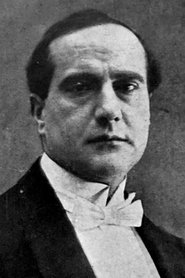
Gustavo Serena
Actor & Director
Born: October 3, 1881 in Naples, Italy Died: April 16, 1970 Active: 1912-1915
Films
6 films


About Gustavo Serena
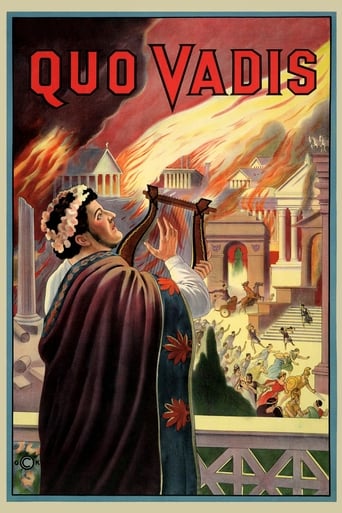
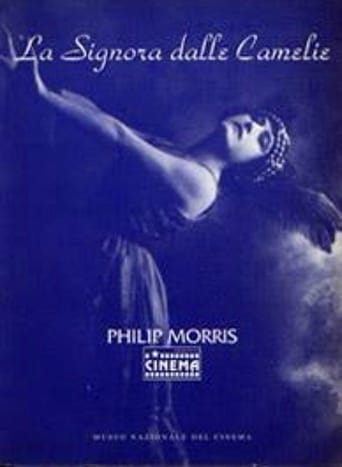
Prominent Italian actor and director during the golden age of Italian silent cinema in the early 1910s. He emerged as a significant figure in the burgeoning Italian film industry during its international peak, working with some of the most important production companies of the era. Serena's career, though brief, spanned from 1912 to 1915, during which he appeared in several landmark Italian epics and dramas that helped establish Italian cinema's global reputation. He notably starred in the epic 'Quo Vadis?' (1913), one of the earliest cinematic blockbusters, and 'Assunta Spina' (1915), a Neorealist-influencing drama. His directorial work included 'The Lady of the Camellias' (1915), where he also acted, demonstrating his versatility behind the camera. Serena's career coincided with what many consider the zenith of Italian silent film production, before the industry's decline following World War I. Though his filmography is relatively small, his contributions to several historically significant Italian films have secured his place in cinema history.
The Craft
On Screen
Serena embodied the theatrical, expressive acting style typical of the silent era, with exaggerated gestures and facial expressions designed to convey emotion without dialogue. His performances in dramatic roles were characterized by intense emotional delivery and a commanding screen presence that suited the epic scale of Italian productions of the period.
Behind the Camera
As a director, Serena followed the visual storytelling conventions of early Italian cinema, emphasizing elaborate sets, historical costumes, and dramatic composition. His directorial approach in 'The Lady of the Camellias' showed attention to period detail and the romantic melodrama style popular in Italian films of the 1910s.
Milestones
- Starred in 'Quo Vadis?' (1913), one of cinema's earliest epics
- Appeared in 'Assunta Spina' (1915), a landmark Italian drama
- Directed and acted in 'The Lady of the Camellias' (1915)
- Participated in early Italian film adaptations of literary classics
- Worked during the peak of Italian silent cinema's international influence
Best Known For
Iconic Roles
Must-See Films
Accolades
Special Recognition
- Recognized as a pioneer of Italian silent cinema in film historical references
- Featured in retrospectives of early Italian cinema
Working Relationships
Worked Often With
Studios
Why They Matter
Impact on Culture
Gustavo Serena contributed to what many film historians consider the first golden age of Italian cinema, when Italian films dominated international markets before World War I. His participation in 'Quo Vadis?' (1913) placed him in. The film was a massive international success and helped establish the commercial viability of feature-length cinema. Through his work in 'Assunta Spina' (1915), Serena was part of a film that prefigured Italian Neorealism with its realistic portrayal of working-class life and location shooting in Naples. These films, during their time, were seen as artistic achievements that demonstrated cinema's potential as a serious art form, competing with theater and literature for cultural prestige.
Lasting Legacy
Though Gustavo Serena's career was brief, his legacy endures through his participation in several landmark films of early cinema that are studied by film historians and preserved in film archives. His work represents the peak of Italian silent cinema's international influence, a period when Italian films were considered the most technically advanced and artistically ambitious in the world. The films he appeared in, particularly 'Quo Vadis?' and 'Assunta Spina,' are regularly referenced in film history texts as important examples of early cinematic techniques and storytelling methods. Serena's contributions help document the transition from short films to feature-length cinema and the development of film as an art form capable of adapting complex literary works. His dual role as actor and director also exemplifies the versatile nature of early film pioneers who often worked in multiple capacities as the industry was still developing its professional specializations.
Who They Inspired
While direct documentation of Serena's influence on subsequent filmmakers is limited due to the brief nature of his career and the passage of time, his work in influential early Italian films contributed to the development of cinematic language that would be adopted by filmmakers worldwide. The epic scale and visual grandeur of films like 'Quo Vadis?' influenced Hollywood directors such as D.W. Griffith and Cecil B. DeMille. The realistic approach of 'Assunta Spina' prefigured the Italian Neorealist movement of the 1940s, though the direct line of influence is difficult to trace specifically to Serena. His performances helped establish acting conventions for silent cinema that would be studied and adapted by subsequent generations of film actors. The international success of the films he participated in demonstrated the global potential of cinema as both art and industry, influencing the development of film industries in other countries.
Off Screen
Gustavo Serena was born in Naples, Italy, in 1881, during a period of significant cultural and artistic development in Southern Italy. He lived through the dramatic changes of the early 20th century, including World War I, which significantly impacted the Italian film industry. His career in cinema was relatively brief but occurred during what many consider the golden age of Italian silent film production. After his film career ended around 1915, Serena lived for another 55 years, witnessing the complete transformation of cinema from silent films to the modern era. He passed away in 1970 in Rome, having lived to see the complete evolution of the art form he briefly participated in during its infancy.
Education
Information about his formal education is not available in historical records, though his theatrical abilities suggest some training in dramatic arts or stage performance, which was common for early film actors transitioning from theater.
Family
- Information not available in historical records
Did You Know?
- His active years covered only 4 years but included some of the most important Italian films of the silent era
- Quo Vadis? (1913) was one of the first feature films to run over two hours and was a massive international success
- Assunta Spina (1915) was groundbreaking for its realistic depiction of Neapolitan life and was partially shot on location
- The Lady of the Camellias (1915) was one of many adaptations of the Dumas novel during the silent era
- Italian cinema of this period was considered the most technically advanced in the world before WWI
- Many of the films Serena appeared in are now lost, as was common with early nitrate film stock
- The brief period of his activity (1912-1915) coincided with the absolute peak of Italian cinema's international dominance
- Early Italian epics like Quo Vadis? featured thousands of extras and elaborate sets that rivaled Hollywood productions decades later
- Serena worked during the transition from short films to feature-length cinema as the industry standard
- His Naples birthplace made him particularly suited for roles in films depicting Southern Italian life and culture
In Their Own Words
No documented quotes from Gustavo Serena are available in historical records, which was common for silent era actors whose work was primarily visual rather than verbal
Frequently Asked Questions
Who was Gustavo Serena?
Italian actor and on YTB.my. He appeared in several landmark Italian films including 'Quo Vadis?' (1913) and 'Assunta Spina' (1915), and also directed 'The Lady of the Camellias' (1915). His career coincided with the peak of Italian cinema's international influence before World War I.
What films is Gustavo Serena best known for?
Titles linked here include Quo Vadis? (1913), Assunta Spina (1915).
When was Gustavo Serena born and when did he die?
Born October 3, 1881; died April 16, 1970.
What awards did Gustavo Serena win?
There are no documented awards or formal recognitions that Gustavo Serena received during his lifetime, which was common for early cinema figures. However, he is recognized in film history as an important contributor to the golden age of Italian silent cinema through his participation in several historically significant films.
What was Gustavo Serena's acting and directing style?
Serena's acting style reflected the theatrical, expressive approach typical of the silent era, with exaggerated gestures and intense emotional delivery suited for epic productions. As a director, he followed the visual storytelling conventions of early Italian cinema, emphasizing elaborate sets, historical costumes, and dramatic composition in the romantic melodrama style popular in the 1910s.