Roman Ibanez
Actor
- Active
- 1923-1923
Films 1
About Roman Ibanez
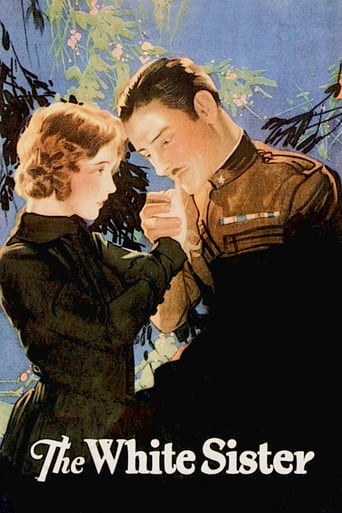
Roman Ibanez is a very obscure silent-era film performer who is documented primarily through his credited appearance in The White Sister (1923), the MGM production starring Lillian Gish and Ronald Colman. Available historical records indicate that he worked as an actor in the early 1920s, but surviving biographical documentation about his life, training, and later career is extremely limited. He appears to have been part of the broad pool of supporting or background performers used in studio-era productions, a common path for many actors whose names were recorded in credits but who left behind little personal archival trace. Because of the scarcity of reliable documentation, no detailed account of his later professional work, personal life, or theatrical background can be confirmed with confidence. His surviving film credit places him within the transitional moment when Hollywood was refining prestige melodrama in the silent era and relying on large casts of character players and atmosphere performers. Although he is not a widely documented figure in film history, his name remains preserved through the cast record of an important early MGM picture. Further biographical details are not readily verifiable from standard reference sources, so any expansion beyond his credited film appearance would risk speculation.
More about Roman Ibanez
In film history
Roman Ibanez's cultural impact is best understood as archival rather than star-based: he represents the many lesser-documented performers whose names survive in cast lists from the silent era, helping historians reconstruct the labor and scale of early Hollywood production. Even when an actor's biography is lost to time, a credited appearance in a significant film like The White Sister contributes to the broader history of representation, casting, and studio-era ensemble work. His presence in the record underscores how many participants in classic cinema were essential to the industry yet remain nearly invisible in popular memory. In that sense, Ibanez's legacy is tied to the preservation of film credits and the ongoing work of historians and databases that recover forgotten personnel. He stands as an example of the thousands of early screen workers who helped shape Hollywood's output without becoming public personalities. For scholars of silent cinema, such names are valuable because they help map the networks of performers working around major stars and directors in the early 1920s.
Later reputation
Roman Ibanez's lasting legacy lies in his documented contribution to The White Sister and in the broader historical record of silent-film cast lists. While he is not known to have achieved celebrity status, his name remains part of the surviving evidence that allows researchers to trace the personnel of early Hollywood productions. His legacy is therefore one of preservation and attribution: he is remembered because the film history record retained his credit. For databases and historians, that alone is significant, since it helps restore visibility to otherwise forgotten contributors to classic cinema. More broadly, figures like Ibanez remind us that silent-era film production depended not only on marquee stars but also on numerous supporting performers whose work was often ephemeral. His place in film history is modest, but it is authentic and important within the archival landscape of early American cinema.
Influence
There is no verifiable evidence that Roman Ibanez directly influenced later actors or directors in a documented, personal sense. His influence is best understood indirectly, through the collective contribution of silent-era supporting performers who helped establish the visual and performance conventions of early feature filmmaking. By participating in a major studio production, he was part of the labor force that shaped the look and texture of classic Hollywood narrative cinema. As a result, his historical significance is more representative than individual: he belongs to the generation of early screen performers whose work supported the development of the medium.
Off screen
No reliable public record of Roman Ibanez's personal life, family background, marriages, or later years has been confirmed from standard classic-cinema references. He does not appear to have left behind the kind of surviving biographical footprint common to major studio stars or heavily documented character actors. As a result, details about his private life remain unavailable rather than merely unrecorded.
Credits
- Credited screen appearance in the silent MGM feature The White Sister (1923)
- Participation in one of the era's prominent prestige melodramas starring Lillian Gish and Ronald Colman
- Documented as a silent-era performer active during the high-studio period of early 1920s Hollywood
Roles
- Unnamed role in The White Sister (1923)
Films
- The White Sister (1923)
Collaborators
- Lillian Gish
- Ronald Colman
- Henry King
Studios
- MGM
Notes
- Roman Ibanez is primarily documented through a single confirmed screen credit: The White Sister (1923).
- He appears to be one of many silent-era performers whose surviving historical footprint is limited to cast records.
- His name is preserved in film-history references despite the lack of biographical detail.
- The White Sister was a prestige production, so even small credited roles placed performers in a high-profile studio environment.
- Because of the sparse record, it is difficult to determine whether he continued acting after 1923 or returned to stage work, extra work, or another profession.
- He is an example of how many early Hollywood contributors remain obscure even when associated with important films.
Questions
Who was Roman Ibanez?
Roman Ibanez was a very obscure silent-era film actor known primarily for his credited appearance in The White Sister (1923). Surviving records about his life and broader career are extremely limited, so he is best understood as a documented early Hollywood performer rather than a widely known star.
What films is Roman Ibanez best known for?
He is best known for The White Sister (1923), the MGM silent melodrama starring Lillian Gish and Ronald Colman. No other verified screen credits are readily available in standard reference sources.
When was Roman Ibanez born and when did he die?
His birth and death dates are not currently verifiable from reliable classic-cinema references. The available record confirms only that he was active in 1923.
What awards did Roman Ibanez win?
No awards or nominations are currently known for Roman Ibanez. Given the scarcity of surviving documentation, it is not possible to confirm any formal industry recognition.
What was Roman Ibanez's acting style?
No detailed descriptions of his acting style survive in the available record. Because he is known from a single silent-era credit, any assessment of technique would be speculative.
What is Roman Ibanez's legacy in film history?
His legacy is mainly archival: he remains part of the surviving cast history of an important silent film. Like many lesser-documented performers, he represents the forgotten supporting workforce that helped build early Hollywood.