
Henry King
Director
Born: January 24, 1886 in Christiansburg, Virginia, USA Died: June 29, 1982 Active: 1915-1962
Films
10 films

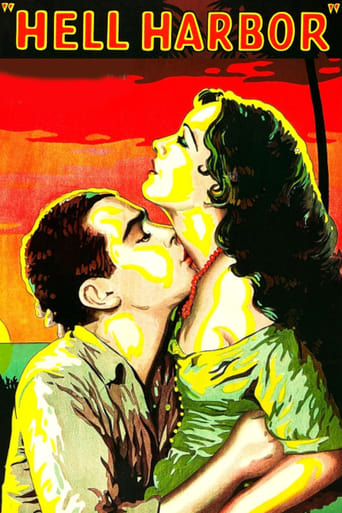
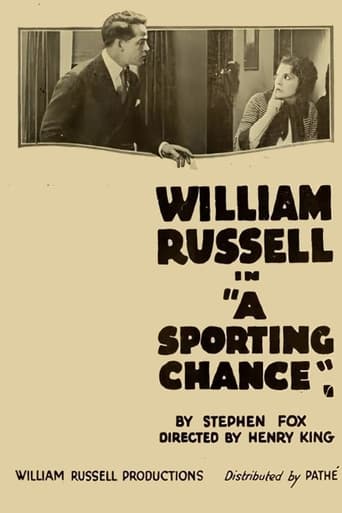
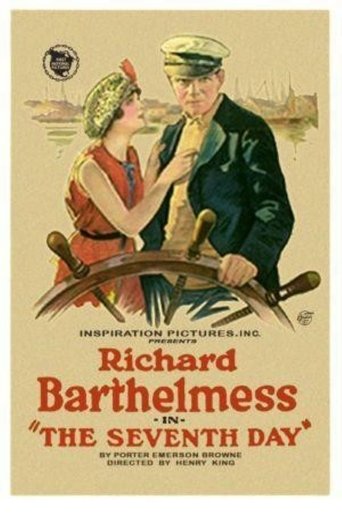
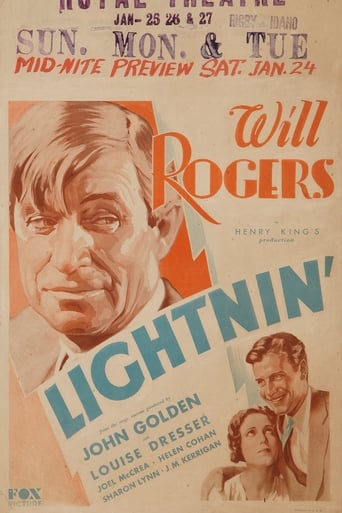
About Henry King
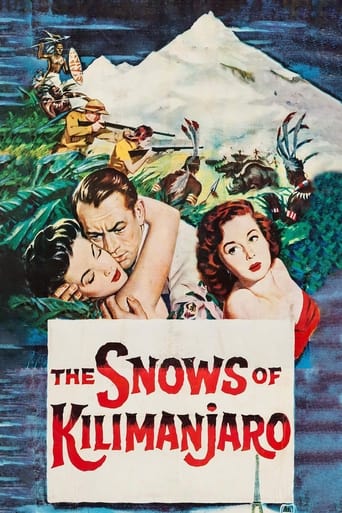
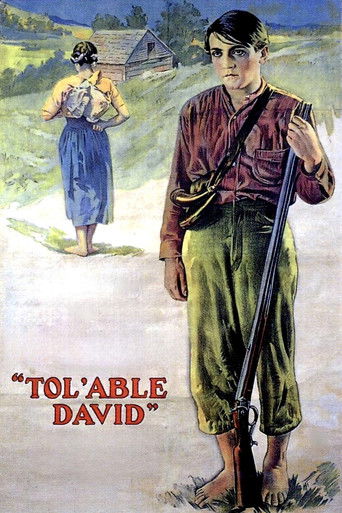
American director whose career ran from the silent era through the Golden Age of Hollywood. Born in Virginia in 1886, King began as an actor in silent films before transitioning to directing in 1915, quickly establishing himself as a master storyteller with his breakthrough film Tol'able David (1921). He was a founding member of the Academy of Motion Picture Arts and Sciences in 1927 and later served as its president from 1936-1937, demonstrating his standing within the industry. King became one of 20th Century Fox's most valuable directors, helming over 100 films and working with virtually every major star of his era, including Tyrone Power, Gregory Peck, and Susan Hayward. His ability to seamlessly transition from silent to sound cinema, coupled with his versatility across genres from westerns to dramas, made him one of Hollywood's most reliable directors. King received five Academy Award nominations for Best Director during his career, cementing his reputation as one of cinema's most accomplished craftsmen. He retired in the early 1960s after a career that witnessed and shaped the evolution of American cinema from its primitive beginnings to its golden age.
The Craft
Behind the Camera
Henry King was known for his understated, naturalistic directing style that emphasized character development and emotional authenticity over technical spectacle. His approach was marked by a preference for intimate storytelling, allowing performances to drive the narrative rather than relying on flashy camera work or editing techniques. King had a particular talent for adapting literary works to the screen, maintaining the essence of source material while creating compelling cinematic experiences. He excelled at directing actors to deliver subtle, nuanced performances, often drawing out career-best work from his stars. His visual style was clean and classical, serving the story rather than drawing attention to itself, which made his films timeless and accessible across generations.
Milestones
- Directed Tol'able David (1921), considered one of the greatest silent films
- Co-founded Academy of Motion Picture Arts and Sciences (1927)
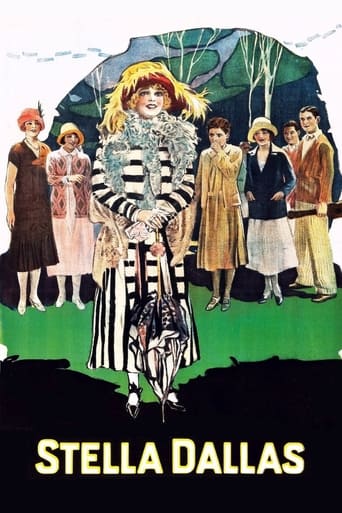
- Directed Stella Dallas (1925), critical and commercial success
- Five Academy Award nominations for Best Director
- Long-term contract with 20th Century Fox as top director
- Served as Academy President (1936-1937)
- Directed The Song of Bernadette (1943), earning first Oscar nomination
- Worked with Hollywood's biggest stars over 40+ year career
Best Known For
Must-See Films
Accolades
Won
- Academy Honorary Award (1944) - For his service as a wartime commander of the Army Air Forces First Motion Picture Unit
- New York Film Critics Circle Award for Best Director (1943) - The Song of Bernadette
- Golden Globe for Best Director (1943) - The Song of Bernadette
- Directors Guild of America D.W. Griffith Award (1943)
Nominated
- Academy Award for Best Director (1943) - The Song of Bernadette
- Academy Award for Best Director (1944) - Wilson
- Academy Award for Best Director (1945) - A Bell for Adano
- Academy Award for Best Director (1949) - Twelve O'Clock High
- Academy Award for Best Director (1955) - Love Is a Many-Splendored Thing
- Venice Film Festival Golden Lion (1937) - Seventh Heaven
- Cannes Film Festival Grand Prize (1946) - The Razor's Edge
Special Recognition
- Founding Member of Academy of Motion Picture Arts and Sciences (1927)
- President of Academy of Motion Picture Arts and Sciences (1936-1937)
- Hollywood Walk of Fame Star (6366 Hollywood Blvd)
- AFI Life Achievement Award (1975)
- National Board of Review Award for Best Director (1949) - Twelve O'Clock High
Working Relationships
Worked Often With
Studios
Why They Matter
Impact on Culture
Henry King's influence on American cinema extends far beyond his individual films, as he helped establish many of the narrative and stylistic conventions that would define classical Hollywood filmmaking. As a founding member of the Academy and its president, he played a crucial role in shaping the industry's standards and practices, including the establishment of the Academy Awards. His films often addressed themes of morality, redemption, and human dignity, helping to elevate the artistic aspirations of commercial Hollywood cinema. King's ability to successfully transition from silent to sound films provided a model for other directors facing the technological revolution of the late 1920s. His work with literary adaptations helped establish the prestige picture as a Hollywood staple, demonstrating that popular entertainment could also be artistically ambitious.
Lasting Legacy
Henry King's legacy endures through his remarkable body of work that spans virtually the entire history of classical Hollywood cinema. His five Academy Award nominations for Best Director place him among the most recognized directors in Oscar history, while his films continue to be studied for their craftsmanship and emotional depth. The preservation and restoration of films like Tol'able David and Stella Dallas have ensured that new generations can appreciate his contributions to silent cinema. King's role in establishing the Academy of Motion Picture Arts and Sciences created an institution that continues to shape the film industry today. His influence can be seen in the work of subsequent directors who adopted his character-driven approach to storytelling and his belief in cinema's potential for artistic expression. As one of the last surviving links to the birth of American cinema, King's career serves as a bridge between cinema's primitive origins and its golden age.
Who They Inspired
Henry King influenced generations of filmmakers through his emphasis on naturalistic performances and narrative clarity. His ability to work successfully across genres demonstrated that a director could maintain artistic integrity while working within the studio system. Many directors who followed, including Elia Kazan and Fred Zinnemann, adopted King's approach to character development and his belief in cinema as a medium for serious artistic expression. His work with actors, particularly his ability to draw subtle performances from stars like Gregory Peck and Tyrone Power, influenced subsequent directors' approaches to actor-director collaboration. King's success with literary adaptations helped establish a template for bringing complex novels to the screen that directors continue to follow today.
Off Screen
Henry King married actress Gypsy Abbott in 1915, and their marriage lasted until her death in 1952. They had two children together, a son named Frank and a daughter named Alice. King was known as a family man who maintained a relatively private personal life despite his Hollywood success. After his wife's death, he remarried in 1955 to Elizabeth King, who survived him. He was known for his professionalism and was respected throughout the industry for his ethical conduct and dedication to his craft. King was also a decorated military veteran, serving as a commander in the Army Air Forces First Motion Picture Unit during World War II.
Education
Limited formal education; largely self-taught in filmmaking through practical experience in the early film industry
Family
- Gypsy Abbott (1915-1952)
- Elizabeth King (1955-1982)
Did You Know?
- One of only 36 founding members of the Academy of Motion Picture Arts and Sciences
- Directed over 100 films in his career,
- Served as a lieutenant colonel in the Army Air Forces during WWII, commanding the First Motion Picture Unit
- Was the oldest living Academy Award-winning director at the time of his death at age 96
- His film Tol'able David was selected for preservation in the National Film Registry in 1998
- Was one of the first directors to successfully transition from silent films to sound films
- Never won a competitive Academy Award despite five nominations, though he received an honorary Oscar
- Discovered and helped launch the career of actress Janet Gaynor
- Was known for shooting his films in sequence to help actors maintain character continuity
- His film The Song of Bernadette was the highest-grossing film of 1943
- Retired from directing after his final film in 1962, but lived another 20 years
In Their Own Words
The director's job is to know what he wants and how to get it without hurting anyone's feelings.
I've always believed that the story is the thing. If you don't have a good story, you don't have anything.
Acting is not being emotional, but being able to express emotion.
A picture should have a beginning, a middle, and an end, but not necessarily in that order.
The best directors are those who can make themselves invisible to the audience.
Frequently Asked Questions
Who was Henry King?
Henry King was one of America's most prolific and respected film directors, whose active years covered from the silent era through the Golden Age of Hollywood. He directed over 100 films, received five Academy Award nominations for Best Director, and was a founding member of the Academy of Motion Picture Arts and Sciences.
What films is Henry King best known for?
Titles linked here include Tol'able David (1921), Stella Dallas (1925).
When was Henry King born and when did he die?
Born January 24, 1886; died June 29, 1982.
What awards did Henry King win?
Although he never won a competitive Academy Award despite five nominations, King received an Academy Honorary Award in 1944 for his wartime service. He also won a Golden Globe and New York Film Critics Circle Award for The Song of Bernadette, and received the AFI Life Achievement Award in 1975.
What was Henry King's directing style?
King was known for his naturalistic, understated directing style that emphasized character development and emotional authenticity. He favored clean, classical visual storytelling that served the narrative rather than drawing attention to itself, and excelled at drawing nuanced performances from his actors.
Did Henry King serve in the military?
Yes, during World War II, King served as a lieutenant colonel in the Army Air Forces, where he commanded the First Motion Picture Unit, making training films and documentaries for the war effort. He received an Academy Honorary Award for this service.
What was Henry King's relationship with 20th Century Fox?
King had a long and fruitful relationship with 20th Century Fox, serving as one of their top directors from the 1930s through the 1950s. He worked closely with studio head Darryl F. Zanuck and directed many of Fox's biggest stars, including Tyrone Power and Gregory Peck, in some of the studio's most prestigious productions.