1919 · Approximately 60 minutes

Also available on: Archive.org
A Sporting Chance

A Sporting Chance

1919 Approximately 60 minutes United States
Mistaken identity and deceptionTheatricality versus realityRedemption through self-sacrificeRomantic transformationCritique of melodramatic plausibility

Plot

John Stonehouse, a despairing man who has checked into a hotel intending to end his life, instead becomes entangled in a bizarre and increasingly comic mystery when he encounters Gilberte Bonheur and a seemingly murdered man. Believing he has nothing left to lose, Stonehouse offers to take responsibility for the apparent killing, only to be drawn into a chain of complications involving a valuable emerald, mistaken motives, and a dead man who unexpectedly returns to life. What initially appears to be a grim tragedy slowly reveals itself to be an elaborate theatrical construction, with the entire sequence functioning as a real-world enactment of a stage play. The final reveal recontextualizes the preceding chaos as both a satire of melodramatic stage conventions and a romantic test of Stonehouse’s character. Once the misunderstanding is cleared up, Gilberte chooses to retire from acting, and Stonehouse’s willingness to sacrifice himself leads to the promise of a new life together.

About the Production

Release Date 1919
Production Universal Film Manufacturing Company
Filmed In United States

This was a silent-era feature directed by Henry King during his prolific years as one of the more versatile American filmmakers working in early studio cinema. Like many films of the period, it was produced under studio conditions with no surviving evidence of a large-location shoot or an unusually elaborate production budget. The story’s major conceit depends on a meta-theatrical reveal, suggesting that the film was designed to blend melodrama, romance, and comic misunderstanding in a way that played with audience expectations about realism. Surviving documentation on exact production circumstances is limited, and many details about sets, shooting schedule, and credited personnel beyond the principal cast and director are not widely documented.

Historical Background

A Sporting Chance was released in 1919, in the immediate aftermath of World War I, a period when American cinema was rapidly expanding in scale, popularity, and narrative sophistication. The silent film industry was consolidating studio power, and Universal was one of the companies helping standardize feature-length production for a mass audience. At the same time, audiences were accustomed to theatrical melodrama and to films that borrowed heavily from stage conventions, making this film’s final reveal especially pointed as a commentary on what viewers were willing to accept as plausible dramatic action. The film also belongs to the era when Henry King was developing the steady, readable storytelling style that would characterize much of his later career.

Why This Film Matters

Although not widely remembered today as one of the great silent landmarks, A Sporting Chance is culturally interesting for the way it plays with the border between theatrical artifice and cinematic realism. Its central joke—that critics claimed a stage play was too implausible, only for the film to demonstrate that the same events could happen in life—turns audience skepticism into part of the storytelling logic. That self-reflexive structure anticipates later films that openly comment on performance, storytelling, and the instability of reality, even if this early example worked within the conventions of melodrama and romantic comedy. For historians, the film is also a useful example of how 1910s American cinema could be more self-aware and formally playful than it is sometimes given credit for.

Making Of

A Sporting Chance was made at a time when Henry King was building the reputation that would later make him one of the most respected craftsmen in American filmmaking. The production appears to have been a fairly standard studio-era silent feature, but the screenplay premise is unusually playful, relying on a nested performance structure in which the story itself is revealed to be a staged enactment. That kind of meta-fictional construction was not common in mainstream American features of the period, which makes the film notable even in the absence of extravagant production records. Available historical information does not preserve extensive detail about the filming process, set design, or editing decisions, but the film clearly depended on careful timing and audience misdirection to make its final revelation effective.

Visual Style

Specific cinematographer attribution is not reliably preserved in the available material for this title, so detailed shot-by-shot style analysis is difficult to confirm. As a 1919 silent feature, the film would have relied on expressive staging, clear blocking, and close attention to performers’ gestures to communicate plot turns without synchronized dialogue. The mystery elements likely depended on visual clarity, particularly in the hotel setting, the apparent murder discovery, the emerald prop, and the staged reveal. The film’s comedy also would have benefited from precise reaction shots and staged misunderstandings that visually cue the audience into the unfolding deception.

Innovations

The film’s main achievement is narrative rather than mechanical: it uses a layered reveal to transform what seems like a crime melodrama into an acted scenario inside the story world. That kind of meta-theatrical twist required careful visual storytelling so that the audience would accept the apparent events before the explanation arrives. While it does not appear to have been associated with major special effects or camera innovation, it demonstrates a sophisticated command of pacing, concealment, and payoff for a 1919 silent feature. Its structure is an early example of cinema using embedded performance as a plot engine.

Music

As a silent film, A Sporting Chance would have been exhibited with live musical accompaniment rather than a standardized recorded soundtrack. No original cue sheet or score is widely documented in surviving reference material. Like many silent features of its time, it may have been accompanied by theater musicians improvising from photoplay music collections or locally assembled programs tailored to the tone of the story. Any modern presentation would likely use a reconstructed or newly commissioned accompaniment if available.

Famous Quotes

No original dialogue quotations are reliably preserved from surviving references to this silent film.
The film’s dramatic logic is best remembered through its premise rather than through documented intertitles.

Memorable Scenes

  • John Stonehouse, intending to die, instead becomes drawn into the apparent murder crisis at the hotel.
  • The moment when the valuable emerald complicates the already bewildering situation and deepens the confusion.
  • The surprise return of the supposedly dead man, which fully destabilizes Stonehouse’s understanding of events.
  • Gilberte’s revelation through the theater ticket that exposes the entire ordeal as a staged performance.
  • Stonehouse’s eventual proposal, which converts a comic mystery into a romantic resolution.

Did You Know?

  • The film was directed by Henry King, who later became one of Hollywood’s most durable directors across the silent and sound eras.
  • Its plot uses an unusually self-aware device: the story turns out to be a stage play being enacted in real life, allowing the film to comment on theatrical contrivance and audience disbelief.
  • The premise of a man ready to die who instead gets pulled into helping solve a supposed murder reflects the era’s fondness for mixed-genre storytelling that combined suspense, romance, and broad comedy.
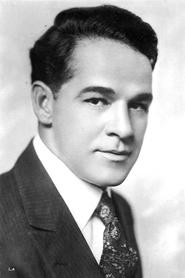
  • William Russell, a major silent-era leading man, plays the protagonist John Stonehouse.
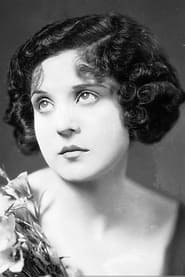
  • Fritzi Brunette, who appears as Gilberte Bonheur, was a familiar actress in late silent cinema and often played appealing, emotionally direct heroines.
  • The film is associated with Universal, one of the key studios of the silent period.
  • Because of the scarcity of surviving primary materials, exact financial and distribution details are not widely preserved in modern reference sources.
  • The film’s central twist effectively turns a melodramatic setup into an anti-realism joke, which was especially pointed given contemporary critical complaints that stage melodrama was implausible.
  • The story’s use of an emerald and apparent homicide fits the period’s taste for prop-driven intrigue and sensational plot reversals.
  • Like many 1910s productions, it reflects the transitional style of late silent cinema, when filmmakers were refining narrative clarity and expressive performance while still relying heavily on intertitles and visual shorthand.

What Critics Said

Contemporary critical detail is limited in surviving mainstream reference material, but the film’s premise itself suggests that it was intended to provoke amusement through reversal and ironic setup. The story’s built-in response to critics of the original stage material indicates that the film was knowingly engaging with complaints that the underlying situations were unrealistic. In modern assessments, the film is mainly of interest to historians of Henry King, early Universal production, and silent-era narrative experimentation rather than as a frequently revived canonical title. Because so few prints and period reviews are readily accessible, its modern reputation rests more on archival interest than on a robust critical afterlife.

What Audiences Thought

There is no detailed audience-response record commonly cited in modern sources, but the film’s survival in reference databases suggests that it circulated as a recognizable early feature from a prominent studio and director. Its combination of romance, mystery, and comic surprise would likely have appealed to silent-era audiences who enjoyed fast-moving plots and emotionally legible characters. The story’s final theatrical reveal would have rewarded viewers who appreciated irony and narrative trickery. Any precise box-office measure or attendance history is not widely documented in surviving reference material.

Film Connections

Influenced By

  • Stage melodrama
  • Early theatrical farce
  • Contemporary silent crime-romance plots

This Film Influenced

  • Later meta-theatrical comedies and mystery films that use a performance-within-a-performance structure
  • Silent-era romantic melodramas with ironic reveal endings

Film Restoration

The preservation status is uncertain in widely available modern reference sources; the film is not commonly reported as a readily circulating or heavily restored title. It may survive only in fragmentary or private archival holdings, or it may be difficult to access due to the scarcity of extant prints and documentation. Because no broad restoration campaign is prominently associated with the title, it should be treated as a rare early silent film with limited availability until confirmed otherwise by archival records.

Themes & Topics

suicide attempthotelapparent murderemeraldstage play revealromantic comedymystery