1930 · 105 minutes

Also available on: Wikimedia
Lightnin'

Lightnin'

1930 105 minutes United States

"The screen's greatest personality in a heart-warming comedy-drama of a lovable old hunk of human nature."

Marriage and reconciliationGreed versus decencySmall-town common senseThe law and loopholesFolksy wisdom

Plot

Set in a border-town hotel built on the line between California and Nevada, Lightnin' Jones and his wife Mary run a ramshackle but profitable establishment that caters to divorced women who need to establish Nevada residency before filing for divorce. The hotel becomes a battleground when a slick group of crooks tries to get Lightnin' to sell his half of the property, believing they can exploit the border location and the divorce traffic for their own profit. When Lightnin' refuses, Mary is manipulated and coerced into obtaining a divorce so that the conspirators can pressure her into signing away the deed. What follows is a mix of comedy, sentiment, and courtroom-style trickery as the couple is pushed toward separation, only to reveal the underlying affection and resilience that have always held them together. The story ultimately resolves in the film's characteristic blend of homespun humor and moral reassurance, restoring domestic harmony while exposing the greed of the schemers.

About the Production

Release Date August 30, 1930
Production Paramount Famous Lasky Corporation, Paramount Pictures
Filmed In Hollywood, California, Paramount studio backlot, Hollywood

Lightnin' was adapted from the hugely successful 1918 stage play by Winchell Smith and Frank Bacon, with Bacon having become closely identified with the title role. The 1930 film was made at the dawn of the sound era and was designed to capitalize on Will Rogers' immense popularity as a folksy, plainspoken comic personality who could carry the material in a way audiences would immediately recognize. Because the property was already strongly associated with an earlier theatrical performance and a 1925 silent adaptation, the production had to balance familiarity with the demands of early dialogue filmmaking. Like many early talkies, it relies heavily on stage-derived dialogue and performance rather than elaborate camera movement, reflecting both the technological constraints and the industry's transitional period.

Historical Background

Lightnin' was produced in 1930, at a moment when Hollywood was still absorbing the full implications of synchronized sound. Studios were shifting rapidly from silent aesthetics toward dialogue-driven storytelling, and stage adaptations were especially valuable because they already possessed tested scripts, memorable roles, and established audience recognition. The film also reflects the social reality of the era through its Nevada divorce setting, which taps into the legal and cultural phenomenon of border-state divorces that were part of American popular consciousness in the interwar years. Coming just before the deepest years of the Great Depression, the film's mix of comic relief, domestic reassurance, and small-town decency offered audiences a comforting vision of order restored through common sense and affection. It matters historically as an example of how Hollywood translated a major stage hit into the early sound era while using a popular star persona to refresh older material for a new medium.

Why This Film Matters

The film is significant as part of Will Rogers' screen legacy and as a representative early talkie adaptation of a major American stage comedy. It helped solidify the model of the folksy, wisecracking but fundamentally good-hearted protagonist that Rogers embodied so memorably on screen, radio, and in print. The divorce-hotel premise also preserves a distinctly American social curiosity of the period, making the film a useful cultural artifact for understanding how popular entertainment engaged with legal loopholes and changing ideas about marriage. More broadly, Lightnin' illustrates how Hollywood in the early sound era depended on proven properties and recognizable personalities to reassure audiences during a time of technological upheaval. While not usually cited as a groundbreaking film artistically, it remains important for its place in the evolution of American screen comedy-drama and for its association with one of the era's most beloved entertainers.

Making Of

The 1930 Lightnin' emerged during a period when Hollywood studios were actively mining Broadway successes for sound-film material, especially plays with strong dialogue and clearly defined star parts. Paramount's decision to cast Will Rogers was strategically important: his national popularity and everyman charm made him a natural successor to the role's stage tradition while also giving the production a contemporary appeal that a purely theatrical transfer might have lacked. Henry King approached the material in a straightforward, performance-centered manner, which was typical for early talking pictures still adapting to microphones, controlled staging, and the limited mobility of cameras and sound equipment. The film's production also reflects the industry's broader interest in domestic comedies with moral clarity, especially those that could balance laughs with sentimental resolution. As with many early talkies, the emphasis on dialogue and character interaction gives the film a stage-like feel, but the studio polish and star casting helped it function as a commercially viable feature for audiences adjusting to sound cinema.

Visual Style

The visual style is characteristic of an early talkie adaptation of a stage play: relatively static setups, emphasis on medium and medium-close framing, and careful attention to dialogue coverage rather than fluid camera movement. The film likely relies on spatial clarity to keep the hotel setting and character interactions intelligible, with the border-line premise visually established through production design and blocking rather than elaborate effects. Henry King and the cinematography team favor straightforward presentation, allowing the performers and verbal exchanges to carry the scenes. This restrained approach was common in 1930, when sound recording technology often limited camera mobility and encouraged a more theatrical style of composition. The film's look serves the material efficiently, emphasizing domestic spaces, front-porch humor, and the bustle of the border hotel.

Innovations

Lightnin' is not known for major technical innovations, but it is notable as an early example of studio professionalism applied to the sound remake of a stage hit. Its significance lies in how it demonstrates the industry's rapid adaptation of theatrical material to synchronized dialogue production, sound recording discipline, and dialogue-centered pacing. The film exemplifies the transitional filmmaking style of 1930, when many productions were still using fairly static camera setups and clear staging to accommodate microphones and editing limitations. As such, it is historically important as a polished early talkie rather than as a technological breakthrough.

Music

As an early sound film, Lightnin' does not feature a modern-style underscore-driven soundtrack in the later sense, but rather a presentation built around recorded dialogue, effects, and any incidental music typical of the period. The film's primary aural attraction would have been the chance to hear Will Rogers deliver the role's wisecracks and homespun observations in his familiar voice and timing. Early 1930 Paramount productions often used restrained musical support, with sound primarily serving performance and narrative clarity rather than continuous orchestral scoring. Specific credited songs or a fully documented original score are not readily available in the surviving basic reference materials for this title.

Famous Quotes

There's no such thing as a bad boy. There's only bad surroundings.
The law may be on their side, but common sense is on ours.

Memorable Scenes

  • The opening establishment of the border hotel, with the premise that a single building straddles the California-Nevada line and serves as a haven for divorce seekers.
  • Lightnin' refusing to be pressured into selling his share of the hotel to the crooks, a scene that showcases Will Rogers' calm, teasing defiance.
  • Mary's forced maneuvering under pressure from the villains, turning the story from easy comedy toward a more personal domestic crisis.
  • The final reconciliation sequence, which resolves the plot through humor, affection, and the restoration of marital partnership.

Did You Know?

  • The film is based on the long-running Broadway hit Lightnin', which premiered in 1918 and became one of the most successful American stage comedies of its era.
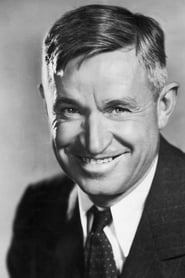
  • Will Rogers, already famous as a vaudeville performer, humorist, and newspaper columnist, was especially well suited to the role because the character depended on folksy wisdom, dry wit, and warmth.
  • Lightnin' had previously been filmed as a silent feature in 1925, making the 1930 version an early sound-era remake of a proven property.
  • The title character was originally associated with actor Frank Bacon on stage, and Bacon's portrayal helped define the role for subsequent adaptations.
  • The story's Nevada-divorce premise reflects a real historical legal practice, since Nevada became famous in the early 20th century as a destination for quick divorces requiring short residency periods.
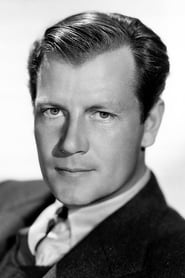
  • Joel McCrea appears in one of his earlier major screen roles, before becoming widely known for Westerns and adventure films later in the 1930s and 1940s.
  • The film exemplifies Paramount's early talkie strategy of adapting popular stage successes with bankable stars rather than attempting highly experimental sound techniques.
  • Henry King was an established studio director known for handling melodrama, comedy-drama, and prestige literary adaptations, and his restrained style suited the material's domestic humor.
  • Because of its roots in stage comedy, much of the film's appeal lies in character interplay and verbal rhythm rather than visual spectacle.
  • Will Rogers' screen persona in this film helped reinforce the image of him as an affectionate observer of human folly, a persona that made him one of the most beloved stars of the early sound era.

What Critics Said

Contemporary reviews generally treated the film as a dependable star vehicle, praising Will Rogers' natural ease, humor, and sincerity while acknowledging the material's theatrical origins. Critics often found the story familiar and the direction conventional, but they also recognized that the film's warmth and Rogers' personality gave it considerable charm. In retrospect, the film is usually discussed less as a formal innovation and more as a document of early sound filmmaking and as a key example of Rogers' screen persona at its most appealing. Modern viewers and historians tend to value it for its historical interest, its adaptation of a famous stage property, and its role in the careers of Rogers, Henry King, and Joel McCrea. It is typically seen as amiable, dated, and highly representative of its era rather than as one of the major canonical titles of 1930.

What Audiences Thought

Audiences in 1930 were already familiar with the Lightnin' story from the stage and may also have recognized the property from its silent-screen version, so the appeal depended heavily on the attraction of hearing the humor and banter spoken by a major star. Will Rogers' popularity was a major box-office asset, and his natural rapport with audiences likely made the film feel intimate and reassuring. The movie's blend of comedy, sentiment, and homespun moral values fit well with audience tastes in the early sound era, when many viewers preferred personable, dialogue-centered entertainment over more visually flamboyant experiments. While precise box-office figures are not readily available here, the film was produced as a commercially sensible vehicle rather than a prestige gamble, suggesting that the studio expected reliable popular appeal.

Film Connections

Influenced By

  • Lightnin' (1918 stage play by Winchell Smith and Frank Bacon)
  • Lightnin' (1925 silent film)
  • American vaudeville and folksy comic performance traditions
  • Early 20th-century divorce comedies and marriage farce

This Film Influenced

  • Later Will Rogers vehicle comedies that emphasized rural wit and moral warmth
  • Subsequent Hollywood adaptations that drew on stage hits as early sound material

Film Restoration

The film is preserved and available through archival holdings and occasional classic-film circulation; it is not generally considered a lost film. Specific restoration status varies by source and print lineage, but the title survives as part of the historical record of early sound cinema.

Themes & Topics

Nevada divorceborder hotelcrooksmarital conflictremarriage