
Sharon Lynn
Actor
- Active
- 1929-1930
Films 2
About Sharon Lynn
Sharon Lynn was an American film actress who worked during the transition from silent pictures to sound, appearing briefly in Hollywood in the late 1920s and early 1930s. She is best remembered for supporting roles in early talkies, including Sunny Side Up (1929) and Lightnin' (1930), both of which placed her within the bustling studio-era production system of the period. Like many actresses of the era, her screen career was relatively short and seems to have been concentrated in a narrow run of film appearances rather than an extended star trajectory. Available records indicate that she was active in film primarily between 1929 and 1930, which suggests she was one of the many performers whose careers were shaped by the rapid changeover to sound and the highly competitive casting environment of early Hollywood. Because she did not become a top-billed star, surviving information about her personal life and later career is limited, and she is now chiefly recalled through her film credits rather than a large body of biographical documentation. Her legacy is that of a working actress of the early talkie period who contributed to the texture and authenticity of studio comedies and stage adaptations during a pivotal moment in cinema history. She represents the many performers whose names remain familiar to classic-film researchers because of their participation in notable productions, even when their own stardom was modest or short-lived.
More about Sharon Lynn
On screen
No detailed surviving critical record of Sharon Lynn's technique appears to be widely documented. Based on her brief surviving filmography and the conventions of late silent and early sound cinema, her performances would have been shaped by the naturalistic but still stage-influenced acting style common in early talkies. Actresses in this period typically balanced expressive facial work and clear enunciation with the more restrained, conversational delivery demanded by sound recording. Any assessment of her personal style must remain cautious because extant biographical and critical sources are limited.
In film history
Sharon Lynn's cultural impact lies less in personal fame than in what her career represents: the large, often under-remembered body of performers who helped shape the look and feel of early sound cinema. By appearing in productions such as Sunny Side Up and Lightnin', she became part of the entertainment ecosystem that carried audiences from silent-era conventions into the newly commercialized world of talking pictures. Her work contributes to the historical record of how studios used a broad pool of actors to populate musicals, comedies, and stage adaptations during the late 1920s and early 1930s. For film historians, actresses like Lynn are valuable because they illustrate the depth of studio-era casting and the many careers that existed just beneath the level of headline stardom.
Later reputation
Her legacy is primarily archival and historical: she remains a credited participant in a formative period of American cinema rather than a widely celebrated star. For classic-film enthusiasts, her name endures through surviving film prints, cast lists, and reference databases that preserve the contributions of supporting players. In the broader story of Hollywood, she stands as one of many actresses whose careers were short but nonetheless part of the industry's artistic and industrial development. That kind of legacy is important because it helps reconstruct the working world of early cinema beyond the marquee names.
Influence
There is no strong evidence that Sharon Lynn directly influenced a later generation of performers in a documented, named way. Her influence is better understood indirectly, through the historical example of the many capable supporting actresses who helped establish performance norms in early sound films. Performers in her position contributed to the standardization of screen acting as Hollywood adjusted to dialogue, microphone placement, and new production rhythms. In that sense, her career belongs to the larger collective influence of early talkie ensemble players on cinematic performance practice.
Off screen
Reliable public information about Sharon Lynn's personal life is scarce, and readily verifiable details about marriages, family background, or later years are not widely documented in standard classic-cinema references. She appears to have left behind a slim historical footprint compared with major stars of the period, which is not unusual for performers whose careers were brief and whose roles were primarily supporting ones. Because of this lack of surviving documentation, it is not safe to infer relationships, children, or later-life circumstances. Her historical presence is therefore tied mainly to her screen work rather than to a well-recorded off-screen biography.
Credits
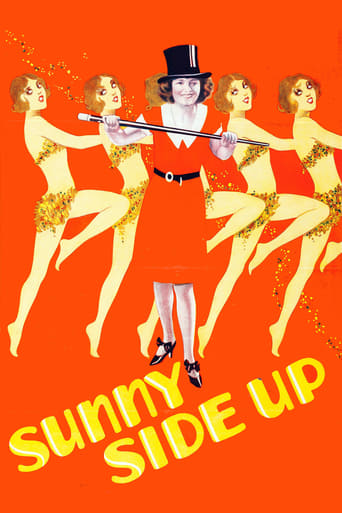
- Appeared in the early sound-era musical comedy Sunny Side Up (1929)
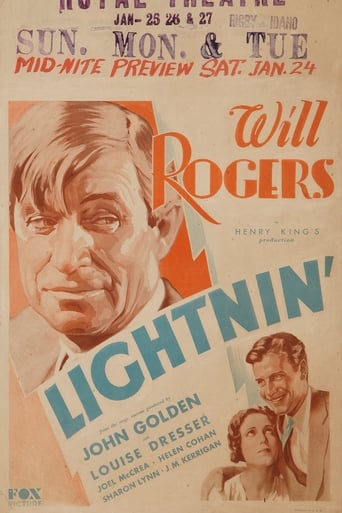
- Appeared in the film adaptation Lightnin' (1930)
- Worked during the important transition from silent films to talking pictures
- Built a screen record centered on supporting performances in studio productions
- Represents the many lesser-documented contract and freelance performers active in early Hollywood
Roles
- Supporting role in Sunny Side Up (1929)
- Supporting role in Lightnin' (1930)
Films
- Sunny Side Up (1929)
- Lightnin' (1930)
Studios
- Working within the early Hollywood studio system
Notes
- She is most readily identified today through her film credits rather than extensive biographical records.
- Her active screen period appears to have been very short, centered on 1929 and 1930.
- She worked during one of the most important technological transitions in movie history: the shift from silent films to sound.
- Her known filmography includes both a musical comedy and a film adaptation of a stage property, reflecting common early-talkie studio programming.
- Because documentation is limited, she is a classic example of a working studio-era actress whose life details are difficult to reconstruct from readily available sources.
- Her name can sometimes be confused with other similarly named performers or public figures, so film-specific identification is important.
- She is part of the large group of early Hollywood actors whose historical footprint survives mainly through cast lists and archive references.
Questions
Who was Sharon Lynn?
Sharon Lynn was an American film actress active in the late silent and early sound era. She is remembered primarily for supporting appearances in early Hollywood films, especially Sunny Side Up (1929) and Lightnin' (1930).
What films is Sharon Lynn best known for?
She is best known for Sunny Side Up (1929) and Lightnin' (1930). These are the main surviving credits associated with her short screen career and the titles most often used to identify her work.
When was Sharon Lynn born and when did she die?
Her birth and death dates are not reliably documented in the readily available classic-cinema references used here. Because the historical record is limited, those details should be treated as currently unavailable rather than assumed.
What awards did Sharon Lynn win?
No major awards or formal honors are known for Sharon Lynn from the available historical record. Like many supporting performers of the era, her significance is tied more to her film appearances than to award recognition.
What was Sharon Lynn's acting style?
There is no detailed critical profile of her acting style that survives in standard reference sources. Based on the period in which she worked, her performances would have reflected the early talkie balance of stage-trained diction, clear screen presence, and restrained expressive acting.
What is Sharon Lynn's legacy in film history?
Her legacy is that of a working actress from the transitional early sound period whose name survives through film credits and archival records. She represents the many supporting players who helped shape the texture of studio-era cinema, even when they did not become major stars.
Was Sharon Lynn primarily a silent film actress or an early talkies performer?
She is best understood as an early talkies performer, though her career began during the broader silent-to-sound transition. Her known film activity in 1929 and 1930 places her squarely in the era when Hollywood was adapting to synchronized sound.