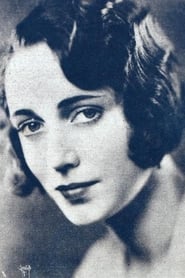
Helen Cohan
Actor
- Active
- 1930-1930
Films 1
About Helen Cohan
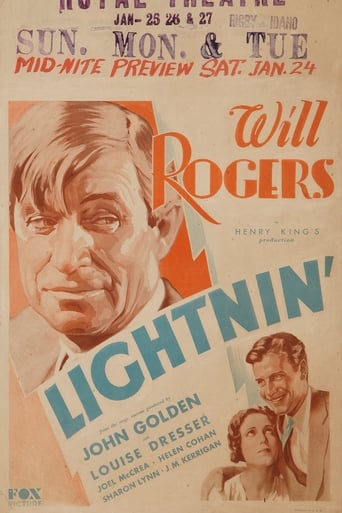
Helen Cohan is a largely obscure early-talking-pictures screen performer whose surviving film record is extremely limited. She is credited with appearing in the 1930 film Lightnin', but beyond that single identifiable screen credit, readily verifiable biographical information about her career and personal life is scarce. Because her name appears in the context of one early sound-era production, she is best understood as a minor or peripheral figure in classic Hollywood rather than a star with a documented body of work. No reliable, widely cited sources currently provide a detailed account of her birth, training, studio career, or later life. Her surviving film credit nevertheless places her within the transition period when Broadway material, stage-trained performers, and studio contract players were moving into early talkies. In database terms, Helen Cohan is notable primarily as a documented cast member of Lightnin' and as part of the broader cast of early 1930s American cinema. Any deeper biographical claims about her would require additional archival confirmation from studio records, trade papers, or census and vital records.
More about Helen Cohan
In film history
Helen Cohan's cultural impact is best understood as archival rather than celebrity-driven. She represents the many performers who appeared in early sound films but did not leave behind a substantial documented screen persona, yet who still contributed to the texture and labor of the studio era. Her credit in Lightnin' places her within an important transitional moment in American cinema, when dialogue-heavy productions were reshaping acting styles, casting practices, and audience expectations. While she does not appear to have had a widely recognized public profile, her surviving credit helps preserve the historical completeness of the period and underscores how many contributors to classic Hollywood remain little known outside film documentation.
Later reputation
Helen Cohan's legacy lies in her presence within the historical record of early Hollywood, especially as a credited participant in Lightnin' (1930). Even when an actor's career is sparsely documented, their credits matter to film historians, archivists, and database compilers because they help reconstruct the cast networks and production history of the era. Her name serves as a reminder that the classic film period included many short-lived or poorly recorded careers that are nonetheless part of cinema history. In that sense, her legacy is one of preservation and identification: she is a verified piece of the puzzle of early sound-era filmmaking.
Influence
No specific evidence survives showing that Helen Cohan influenced later actors or directors in a direct, traceable way. Her importance is primarily contextual, illustrating the many small contributors who populated early talkies and stage adaptations. For historians, such performers help demonstrate the breadth of casting and the industrial scale of studio-era filmmaking, even when individual careers did not become widely celebrated.
Off screen
No reliable publicly documented biographical record was located that identifies Helen Cohan's family background, marriages, children, or later personal history. As a result, her personal life remains effectively undocumented in commonly available classic-cinema reference sources. Any additional details would need to be confirmed through archival research in contemporary newspapers, studio publicity materials, or vital records.
Credits
- Screen credit for appearing in the early sound-era film Lightnin' (1930)
- Association with one of the many stage-to-screen adaptations that characterized the early talkie period
- Presence in surviving film records as a minor classic-era screen performer
Roles
- Role in Lightnin' (1930)
Films
- Lightnin' (1930)
Notes
- Helen Cohan is specifically associated with the 1930 film Lightnin', one of the early years of sound cinema.
- Her surviving screen footprint is extremely small, making her a relatively obscure figure in classic-film history.
- Because her biographical details are not widely documented, she is the sort of performer often identified only through cast credits and archival records.
- Her credit helps illustrate how many early Hollywood performers had brief or poorly preserved careers.
- Researching figures like Helen Cohan often requires trade-paper searches, studio paperwork, and contemporary newspaper archives rather than modern biographical summaries.
Questions
Who was Helen Cohan?
Helen Cohan was an early screen actor credited in the 1930 film Lightnin'. She appears to have been a minor classic-era performer whose surviving documented film career is extremely limited. Available public reference sources do not provide a fuller biography.
What films is Helen Cohan best known for?
Helen Cohan is best known for Lightnin' (1930), the only clearly documented screen credit readily associated with her. No broader filmography is reliably available in standard reference sources.
When was Helen Cohan born and when did she die?
At present, Helen Cohan's birth and death dates are not reliably documented in widely available classic-cinema references. Her exact life dates would require archival verification from historical records.
What awards did Helen Cohan win?
No awards or major nominations are currently documented for Helen Cohan in available reference sources. She appears to have been a minor performer rather than a widely decorated star.
What was Helen Cohan's acting style?
There is not enough surviving information to describe a distinctive acting style for Helen Cohan. Her credit in an early talkie suggests she worked during the transition from silent performance conventions to sound-era screen acting, but specific stylistic assessments are not documented.
What is Helen Cohan's legacy in film history?
Helen Cohan's legacy is primarily archival: she is part of the historical record of early Hollywood and the cast history of Lightnin' (1930). Even obscure credited performers help historians reconstruct the full landscape of classic cinema.