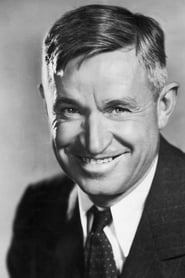
Will Rogers
Actor
- Born
- November 4, 1879, near Oologah, Indian Territory, United States
- Died
- August 15, 1935
- Active
- 1918-1935
- Birth name
- William Penn Adair Rogers
Films 3
About Will Rogers
Will Rogers was an American actor, humorist, writer, and public commentator who became one of the most beloved figures in early American cinema and popular culture. Born in Indian Territory in what is now Oklahoma, he rose from a ranching background and vaudeville and Wild West performance roots to become a nationally known entertainer whose easy, folksy persona translated perfectly to the screen. Although he was already famous as a newspaper columnist and stage performer before entering films, his motion-picture career helped solidify the image of the wisecracking, plainspoken observer of American life. He made a series of short and feature films in the 1910s and 1920s, often playing versions of himself: a good-natured everyman, skeptical of pretension, and skilled at delivering social commentary with charm and wit. His screen work culminated in the early sound era with major features such as Lightnin' (1930), where his relaxed conversational style suited the new technology especially well. Rogers died in 1935 in a plane crash with aviator Wiley Post, cutting short a career that had made him a national institution and one of the most admired entertainers of his generation.
More about Will Rogers
On screen
Rogers's acting style was famously informal, conversational, and seemingly effortless, with a natural ease that made audiences feel he was simply being himself rather than performing. He specialized in understated humor, wisecracks, and a calm, reflective delivery that contrasted with the broader theatrical style common in silent-era acting. On screen he projected warmth, intelligence, and an everyman authenticity, often using timing, facial expression, and a relaxed physicality rather than exaggerated gesture. His persona depended on the appearance of improvisation and spontaneity, even when the material was carefully written. In the sound era, his plain-spoken voice and unhurried cadence became one of his greatest assets.
In film history
Will Rogers became one of the defining American voices of the early 20th century, and his film appearances were central to that cultural presence. He represented a uniquely American blend of comedy, common sense, and social commentary that resonated across class and regional lines, helping establish the idea of the entertainer as a public sage. In cinema, he bridged the silent and sound eras with unusual success because his screen persona was already built on conversational wit and relaxed authenticity rather than visual excess. His popularity helped prove that audiences valued personality and verbal intelligence as much as physical gags or melodrama, especially once talkies arrived. Beyond the movies, he shaped the tone of American humor for decades, influencing how entertainers could comment on politics, economics, and everyday life while remaining broadly appealing.
Later reputation
Rogers's legacy in film history rests on more than any single performance; it lies in the durable screen persona he helped crystallize and the public trust he inspired. He remains emblematic of a type of American entertainer who could move fluidly between stage, print, radio, and film while maintaining a single coherent identity. His early talkies are especially significant because they demonstrate how naturally a personality built on speech and wit could adapt to sound cinema. In retrospect, he is remembered as a forerunner of the modern comedian-commentator, someone whose humor was inseparable from social observation. His death in 1935 was treated as a national tragedy, underscoring how deeply he had entered the cultural life of the United States.
Influence
Rogers influenced generations of actors, comedians, and political satirists who adopted a conversational, observational, and seemingly spontaneous delivery. His blend of homespun wisdom and sharp irony can be seen in later performers who cultivated an outsider-insider relationship with the audience, speaking as if from common experience while delivering subtle critique. In film, his ease in front of the camera helped legitimize a more naturalistic acting style, especially in comedy and character-based dialogue scenes. His example also showed how a strong public persona could become the foundation for a screen career without requiring transformation into a traditional leading man. Many later commentators on politics and culture, from newspaper columnists to television satirists, have been compared to Rogers because of his balance of humor, accessibility, and moral clarity.
Off screen
Will Rogers was married to stage performer Betty Blake, and their partnership was a long and stable one by the standards of show business life in his era. The couple had four children, and Rogers's family identity was an important part of his public image as a grounded, homespun American. He maintained close ties to his Oklahoma roots and often drew upon ranch life, frontier culture, and Native and Western imagery in both his humor and public commentary. Despite his fame, he was widely regarded as approachable and modest, and his personal image aligned closely with the friendly, unpretentious voice he projected in print, on stage, and on screen.
Education
He did not follow a conventional higher-education path; his education was largely practical, shaped by ranch life, self-instruction, performance work, and experience in the American West.
Credits
- Rose from frontier and ranching roots to national fame as a vaudeville, Wild West, and newspaper personality before entering films
- Became a notable screen presence in silent features and shorts, bringing a natural, unforced speaking style to the camera even before sound arrived
- Starred in early talkies such as Lightnin' (1930), which showcased his warm, conversational delivery and reinforced his status as a major box-office attraction
- Built a film career in parallel with a hugely successful newspaper column and stage act, making him one of the rare entertainers whose influence crossed film, print, and live performance
- Was widely regarded as a moral, homespun commentator on American politics and society, a reputation that enhanced the popularity of his screen persona
- Left a lasting imprint on American humor and screen comedy through his blend of satire, sincerity, and apparent improvisational ease
Roles
- The lovable plain-speaking American observer, often a variation of his public persona
- The small-town philosopher and comic commentator on social manners and politics
- The genial, skeptical outsider who punctures pretension with common-sense wit
Films
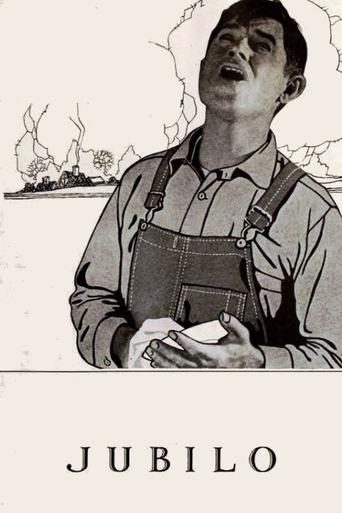
- Jubilo (1919)
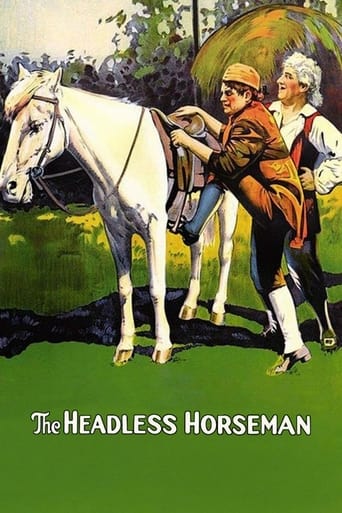
- The Headless Horseman (1922)
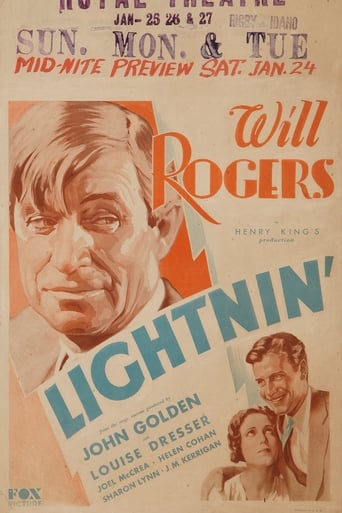
- Lightnin' (1930)
- The Ropin' Fool (1922)
- A Connecticut Yankee (1931)
- State Fair (1933)
Awards
- No competitive major motion-picture awards are documented during his lifetime; his recognition came primarily through public acclaim, critical admiration, and honorary cultural status
Nominations
- No major formal film award nominations are documented during his lifetime in the modern Academy Awards framework
Honors
- Recognized posthumously as one of the great American humorists and entertainers
- Subject of extensive memorial tributes after his death in 1935
- Inducted into the National Cowboy & Western Heritage Museum hall of fame recognition associated with his Western persona and legacy
- Commemorated in numerous civic memorials, schools, and public spaces in Oklahoma and beyond
Collaborators
- Director Clarence G. Badger
- Director John Ford
- Director Richard Wallace
- Playwright and screen adaptor performers associated with his stage-to-screen vehicles
- Producers who specialized in starring vehicles built around his persona
Studios
- Fox Film Corporation
- Independent production companies associated with his feature work
- Paramount (distribution/exhibition association in the late silent and early sound period, depending on title and release arrangements)
Family
- Betty Blake (1908-1935)
Notes
- He was one of the most quoted American humorists of his era, and many sayings attributed to him circulated widely in newspapers and later anthologies.
- Rogers was of Cherokee ancestry and often referred to his Native roots, though his public persona was shaped broadly by Western and frontier culture rather than by a single ethnic identity.
- He was a highly skilled trick roper and performed rope tricks as part of his act long before becoming a film star.
- He was a prolific newspaper columnist, and his syndicated writings were read by millions across the United States.
- His easy, seemingly improvised delivery made him a natural fit for early sound films, when many silent stars struggled to adjust to dialogue.
- He and aviator Wiley Post died in a plane crash in Alaska in 1935, an event that shocked the nation and prompted widespread mourning.
- Although often remembered as a comedian, he also served as a perceptive political observer and foreign-travel commentator.
- His public persona was so strong that many audiences felt they already knew him personally, even before seeing him on screen.
Quotes
I never met a man I didn't like.
All I know is just what I read in the papers.
The only difference between death and taxes is that death doesn't get worse every time Congress meets.
Questions
Who was Will Rogers?
Will Rogers was an American actor, humorist, writer, and public commentator who became one of the most admired entertainers of the early 20th century. In film, he was known for his warm, plainspoken persona and his ability to play a witty, homespun observer of American life.
What films is Will Rogers best known for?
He is especially remembered for Jubilo (1919), The Headless Horseman (1922), Lightnin' (1930), A Connecticut Yankee (1931), and State Fair (1933). These films show his transition from silent-era star to highly effective early sound performer.
When was Will Rogers born and when did he die?
He was born on November 4, 1879, near Oologah in Indian Territory, which is now Oklahoma, United States. He died on August 15, 1935, in a plane crash in Alaska with aviator Wiley Post.
What awards did Will Rogers win?
He did not have the modern film award profile associated with later Hollywood stars, and no major competitive Academy Awards are documented from his lifetime. His recognition came from immense popular acclaim, newspaper fame, and posthumous honors celebrating his cultural importance.
What was Will Rogers's acting style?
His acting style was relaxed, conversational, and seemingly effortless, built on wit rather than theatrical display. He projected the image of a natural, good-humored everyman who could comment on society and politics with intelligence and charm.
What was Will Rogers's legacy in film history?
Rogers helped define the screen persona of the genial American commentator, a type that influenced later comedians and satirists. He is also remembered as one of the rare stars whose natural speaking style made him especially effective in the transition from silent films to talkies.