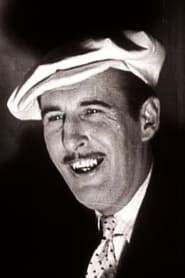
The Headless Horseman
Plot
In Sleepy Hollow, the arrival of the new schoolteacher, Ichabod Crane, stirs both curiosity and apprehension among the villagers, who already live in the shadow of the local legend of the Headless Horseman. Crane, a bookish outsider from New York, quickly establishes himself as a severe and unpopular teacher whose rigid discipline and condescending manner alienate many of his pupils and their parents. His attentions soon turn toward the wealthy and spirited Katrina Van Tassel, despite the fact that Abraham Van Brunt, a local man of strong feelings and social standing, is also courting her and resents Crane’s presence. As Crane becomes increasingly entangled in rivalry, village gossip, and his own fears of the supernatural, the legend of the Horseman begins to feel less like a story and more like an active force shaping events. The film follows the familiar arc of Washington Irving’s tale, building toward the eerie confrontation that tests whether Crane’s downfall is the result of supernatural terror, human mischief, or both.
About the Production
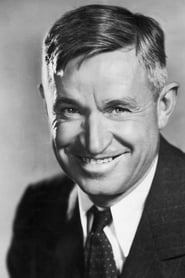
This 1922 adaptation of Washington Irving’s classic story was mounted during the silent era as part of the continuing popularity of literary and folklore-based features. Edward D. Venturini directed the production, which cast Will Rogers as Ichabod Crane, giving the role a distinct comic and rustic appeal compared with later interpretations. Like many silent features of its period, it relied on intertitles, expressive acting, and period atmosphere rather than dialogue, and surviving documentation on exact budgetary and box-office figures is limited. The film is also notable as one of the earlier screen versions of Irving’s story before the better-known sound-era adaptations.
Historical Background
The film was made and released in 1922, during the peak of the silent era in the United States, when feature films were becoming more polished, commercially ambitious, and culturally varied. Hollywood studios were increasingly mining literature, folklore, and stage material for stories that could appeal to a wide audience while also conferring a sense of artistic legitimacy. At the same time, American popular entertainment was shifting as stars like Will Rogers rose to prominence through vaudeville and other live-performance traditions, making cross-media casting a useful marketing strategy. In that context, The Headless Horseman represented both a familiar American ghost story and a product of a rapidly professionalizing film industry that was refining how to present genre, comedy, and literary adaptation on screen.
Why This Film Matters
This film is significant as one of the earlier screen adaptations of The Legend of Sleepy Hollow, helping establish the story’s durability as a cinematic property long before later, more famous versions. It demonstrates how silent-era filmmakers interpreted American folklore through a combination of humor, romance, and atmospheric suspense, contributing to the broader tradition of adapting national literary heritage for film. The casting of Will Rogers also illustrates the way early studio cinema could draw on popular entertainers to give familiar stories a distinctive public face. Although not as widely remembered as later adaptations, it remains part of the lineage that kept Ichabod Crane and the Headless Horseman active in American popular culture.
Making Of
The production was adapted from Washington Irving’s enduring story, a choice that allowed the studio to capitalize on a well-known piece of American literature. Will Rogers’ casting likely helped shape the tone, since his screen identity could bring warmth, humor, and an approachable quality to Ichabod Crane even within a spooky narrative. As with many silent features, little detailed behind-the-scenes documentation survives, but the film would have required careful visual storytelling to balance comedy, romance, local superstition, and the eerie presence of the Horseman without sound. The reliance on intertitles and performance meant that the actors’ expressions and physicality were especially important in conveying both the social satire and the suspenseful folklore elements. The film belongs to a period when studios routinely produced compact feature-length adaptations for broad release, often with an eye toward both cultural familiarity and box-office accessibility.
Visual Style
The film would have used the visual vocabulary typical of early 1920s silent features: staged compositions, clear silhouette-driven storytelling, expressive lighting, and intertitle-supported narrative clarity. Because horror effects in silent cinema often depended on suggestion rather than explicit spectacle, atmosphere, framing, and actor movement would have been crucial in conveying the legend of the Headless Horseman. Period costumes and rural settings would have helped establish a folkloric, storybook quality, while the camera style likely remained relatively static compared with later decades. The image design would have aimed to balance gothic mystery with the broad accessibility of a star-driven silent feature.
Innovations
The film does not appear to be known for a major technological innovation, but it is representative of the mature silent-feature techniques of the early 1920s. Its achievement lies in adapting a celebrated ghost story for the screen using purely visual means, requiring careful staging of suspense, character relationships, and supernatural suggestion. The production also reflects the era’s growing ability to compress literary narratives into concise feature-length forms while maintaining recognizable plot beats. In historical terms, its technical value is tied to its role as an early example of American literary horror adaptation rather than to a specific invention or special effect breakthrough.
Music
As a silent film, The Headless Horseman did not have a synchronized recorded soundtrack at release. Instead, it would have been accompanied by live music in theaters, ranging from solo piano to full orchestral ensembles depending on venue and resources. Specific original cue sheets or commissioned score information for this film are not widely documented in surviving public sources. Any modern screenings would typically use a historically informed silent-film accompaniment or a newly prepared restoration score if available.
Famous Quotes
I cannot verify any surviving widely cited dialogue quotes from this silent film because full intertitle text is not broadly documented in accessible sources.
As a silent film, any memorable phrasing would have appeared in intertitles rather than synchronized spoken dialogue.
Memorable Scenes
- Ichabod Crane’s arrival in Sleepy Hollow, which establishes the village’s mixture of curiosity, suspicion, and folklore.
- The scenes in which Crane courts Katrina Van Tassel while provoking the jealousy of Abraham Van Brunt.
- Moments that build the legend of the Headless Horseman through ominous atmosphere and local storytelling.
- The climactic sequence in which Crane confronts the supernatural terror associated with the Horseman legend.
Did You Know?
- Will Rogers, better known at the time for his stage, vaudeville, and screen persona, played Ichabod Crane in this silent adaptation, giving the character a more recognizable star presence for contemporary audiences.
- The film is an early cinematic treatment of The Legend of Sleepy Hollow, arriving decades before Disney’s animated version and other later adaptations made the story widely familiar to mass audiences.
- Edward D. Venturini directed only a relatively small number of films, making this title one of the better-remembered entries in his filmography.
- Because it is a silent film from the early 1920s, much of its dramatic effect would have depended on live musical accompaniment that varied from theater to theater.
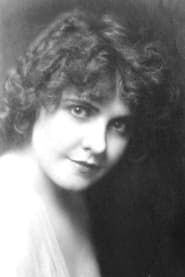
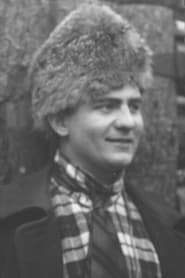
- The cast includes Lois Meredith and Ben Hendricks Jr., both of whom were active during the silent era and appeared in many now-obscure productions of the period.
- The film reflects an era when studios frequently adapted classic American literature and folklore to lend prestige and familiarity to popular entertainment.
- This version predates the 1949 Disney animated short, which later became one of the most famous screen interpretations of the story.
- Surviving records for many silent-era releases are incomplete, so some production details such as budget, shooting schedule, and exact filming locations are not well documented.
- The movie is part of the long screen history of Ichabod Crane, a character whose blend of comedy, romance, and suspense made him attractive to filmmakers across multiple eras.
- Its title emphasizes the ghostly legend rather than the protagonist, underscoring the film’s gothic atmosphere and marketing appeal.
What Critics Said
Contemporary critical records for this specific film are limited, and detailed reviews from the period are not widely preserved in readily accessible sources. Like many silent features, its reception likely depended on the audience’s familiarity with the story and appreciation for Will Rogers’ star appeal. Modern interest in the film is mainly historical rather than critical, with archivists and silent-film scholars viewing it as an important early adaptation of Irving’s tale and as an example of 1920s literary screen culture. Its reputation today is tied more to its place in adaptation history and to the rarity of surviving documentation than to an established canon of critical acclaim.
What Audiences Thought
Audience reception data is not well documented, which is common for a number of silent-era releases from the early 1920s. The use of a famous American ghost story and a well-known performer like Will Rogers likely gave the film immediate appeal to contemporary moviegoers. As with many adaptations of familiar literature, its success probably depended on the balance between the story’s eerie elements and its accessible, crowd-pleasing performances. Today, its audience is largely made up of classic-film enthusiasts, silent-cinema historians, and viewers interested in the evolution of Sleepy Hollow adaptations.
Film Connections
Influenced By
- The Legend of Sleepy Hollow by Washington Irving
- American folktale and gothic literary tradition
- Silent-era literary adaptations
This Film Influenced
- The Legend of Sleepy Hollow (1949)
- The Adventures of Ichabod and Mr. Toad (1949)
- Sleepy Hollow (1999)
You Might Also Like
More Horror Films
View allFilm Restoration
Preservation status is not consistently documented in accessible modern references, but this title is not as widely available as the best-known silent classics and may survive only in limited archival form or incomplete copies. It should be treated as a historically significant early silent feature whose extant condition may be partial or difficult for the public to access.