Films
3 films
About Charles E. Graham
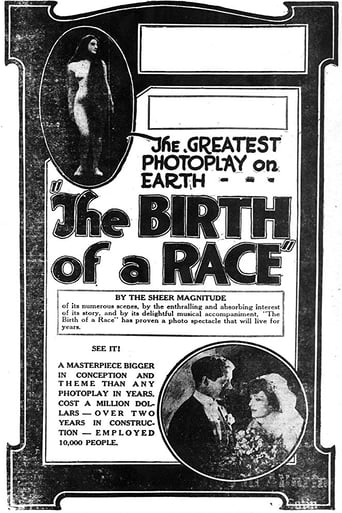
Charles E. Graham performed in 1918 film 'The Birth of a Race. ' This film was created as a direct response to D.W. Griffith's controversial 'The Birth of a Nation' (1915), aiming to present a more positive and authentic portrayal of African Americans. Graham's involvement in this historically significant project places him among the early African American performers who participated in efforts to counter negative stereotypes in early cinema. Unfortunately, like many actors from this period who had brief careers, detailed records of Graham's life and career are scarce. His single known film appearance came during a pivotal time when African American filmmakers were beginning to assert creative control over their own representations. The film itself was produced by Emmett J. Scott, a prominent African American businessman and former secretary to Booker T. Washington. Graham's participation, however brief, represents part of the early foundation of African American cinema and the struggle for authentic representation.
The Craft
Milestones
- Appeared in 'The Birth of a Race' (1918), one of the earliest films produced by African Americans to counter racist cinema
Best Known For
Must-See Films
Working Relationships
Studios
Why They Matter
Impact on Culture
Charles E. Graham's contribution to cinema, while limited to a single film appearance, is part of a significant moment in film history. 'The Birth of a Race' was among the first feature-length films produced by African Americans attempting to reclaim their narrative from the racist portrayals prevalent in early Hollywood cinema. The film represented an early form of resistance against the damaging stereotypes perpetuated by films like 'The Birth of a Nation.' Graham's participation in this project places him among the pioneers who helped lay the groundwork for future African American filmmakers and actors seeking authentic representation. The film itself, though not commercially successful at the time, demonstrated the importance of African American control over their own stories in cinema.
Lasting Legacy
Charles E. Graham's legacy is preserved through his participation in 'The Birth of a Race,' a film that represents an important milestone in the history of African American cinema. While his individual career was brief, his contribution is part of the broader narrative of African American resistance to misrepresentation in early Hollywood. The film stands as an early example of African American-produced cinema attempting to counter the racist imagery of mainstream films. Graham's name, though obscure, is connected to this significant effort to establish authentic African American representation in film, a struggle that would continue throughout the 20th century and beyond.
Who They Inspired
Due to the extremely limited nature of Charles E. Graham's documented career, there is no record of his direct influence on other actors or filmmakers. However, his participation in 'The Birth of a Race' contributed to the broader movement of African American cinema that would influence future generations of Black filmmakers and performers seeking to tell their own stories authentically.
Off Screen
Very little is documented about Charles E. Graham's personal life, which is typical for actors who had brief careers in the silent era and appeared in only one film.
Did You Know?
- Appeared in only one known film during his entire career
- 'The Birth of a Race' was created as a direct response to D.W. Griffith's 'The Birth of a Nation'
- The film was produced by Emmett J. Scott, former secretary to Booker T. Washington
- The production of 'The Birth of a Race' faced numerous financial and technical difficulties
- The film was one of the earliest attempts by African Americans to produce feature-length cinema
- Despite its historical significance, the film was not commercially successful
- Many records of early African American film actors from this period are incomplete or lost
- The film's original footage is partially lost, with only fragments surviving today
Frequently Asked Questions
Who was Charles E. Graham?
Screen credits include only one known film, 'The Birth of a Race' (1918). He was part of an early effort by African American filmmakers to create authentic representations of Black life in cinema.
What films is Charles E. Graham best known for?
Titles linked here include The Birth of a Race (1918).
When was Charles E. Graham born and when did he die?
Unfortunately, birth and death dates for Charles E. Graham are not documented in available historical records, which is common for actors who had very brief careers in the silent era.
What awards did Charles E. Graham win?
There are no records of Charles E. Graham receiving any awards or nominations, which is typical for actors with such limited film credits during the silent era.
What was the significance of 'The Birth of a Race'?
'The Birth of a Race' was historically significant as one of the first feature-length films produced by African Americans to counter racist stereotypes in cinema. It represented an early attempt by Black filmmakers to control their own narrative on screen.