James Sheridan
Actor
- Active
- 1922-1922
Films 1
About James Sheridan
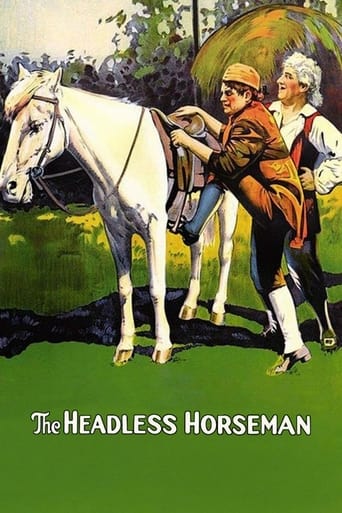
James Sheridan is a poorly documented silent-era screen performer who is credited as an actor in the 1922 film The Headless Horseman. Available film-reference sources suggest that his screen career was extremely brief and may have been limited to this single known credit, which makes him one of the many little-recorded character players and extras who passed through the early American film industry without leaving a substantial biographical paper trail. Because surviving trade publications, studio records, and later reference works provide little or no identifying detail, his birth date, birthplace, family background, education, and later life remain unknown. His presence in The Headless Horseman places him within the period when studios were adapting popular literary and legend material for silent audiences, and when many supporting performers worked on a project-by-project basis without long-term studio publicity. No reliable evidence has surfaced that he became a major star, directed films, or maintained a long filmography after 1922. For that reason, James Sheridan is best understood as an obscure early-cinema participant whose surviving legacy rests on a single documented screen appearance rather than a widely chronicled career. He remains of interest mainly to film historians and database researchers trying to identify and preserve the complete cast histories of silent-era productions.
More about James Sheridan
In film history
James Sheridan's cultural impact is indirect rather than celebrity-based: he is part of the vast supporting workforce that made silent cinema possible, even when individual names did not become widely recognized. Performers like Sheridan helped populate the historical, literary, and adventure pictures of the era, giving texture and credibility to productions that depended on ensemble casting. In a broader archival sense, his name underscores how many early film careers are only partially visible today, and how much of silent film history survives through fragmentary credits rather than complete personal records. For researchers, such names are important because they help reconstruct production histories, regional casting networks, and the often-invisible labor structure of early American film.
Later reputation
James Sheridan's legacy lies in preservation and attribution rather than fame. His surviving screen credit contributes to the documented cast history of The Headless Horseman (1922) and serves as a reminder that silent-era cinema relied on many actors whose work was essential but rarely celebrated. Because no substantial biographical record has survived, his place in film history is emblematic of the many early performers who remain known only by name and title. For movie databases and historians, preserving such identities helps maintain a more accurate and inclusive record of classic cinema.
Influence
There is no documented evidence that James Sheridan directly influenced later actors or filmmakers in the usual sense, such as through mentorship, major performances, or public artistic statements. His influence is better understood as archival and historiographic: he contributes to the broader understanding of how many minor performers populated silent-era productions and how incomplete the historical record can be. By existing in the cast record of a 1922 feature, he helps illustrate the ensemble nature of early cinema and the importance of secondary performers to genre filmmaking.
Off screen
No reliable biographical records have been found that document James Sheridan's personal life, including marriages, children, family background, residence, or activities outside the film industry. Unlike better-known silent-era performers, he does not appear to have left behind a well-preserved publicity trail in studio fan magazines, newspaper profiles, or later interview archives. As a result, essentially all known information about him is limited to his credited participation in The Headless Horseman (1922).
Credits
- Received a screen credit in the silent film The Headless Horseman (1922)
- Represents the kind of little-documented supporting performer common in early Hollywood and regional silent production
- Survives in film history primarily through cast listings and archival references rather than extensive publicity material
Roles
- Role in The Headless Horseman (1922) is the only known screen role
Films
- The Headless Horseman (1922)
Notes
- James Sheridan is known in surviving film references chiefly for one credited appearance: The Headless Horseman (1922).
- He appears to be one of many silent-era performers whose careers are nearly invisible outside cast lists.
- No reliable public record has been found confirming his birth or death dates.
- His surviving filmography suggests either a very brief acting career or a career that has not been fully reconstructed from extant sources.
- He is a useful example of how silent film history often preserves names without preserving full biographies.
- Because his documentation is sparse, he is more significant to archival research than to star history.
Questions
Who was James Sheridan?
James Sheridan was a little-documented silent-era actor known from his credited appearance in The Headless Horseman (1922). Surviving records do not currently provide a fuller biography, so he is best understood as an obscure early film performer rather than a major star.
What films is James Sheridan best known for?
He is best known for The Headless Horseman (1922), which appears to be his only surviving screen credit. No other reliably confirmed films have been associated with him in the available record.
When was James Sheridan born and when did he die?
His birth and death dates are not currently documented in reliable surviving sources. Because the historical record is so limited, both his birthplace and lifespan remain unknown.
What awards did James Sheridan win?
No awards or nominations are known for James Sheridan. His surviving legacy comes from a single credited silent film appearance rather than documented industry recognition.
What was James Sheridan's acting style?
There is not enough surviving material to describe his personal acting style with confidence. As a silent-era performer in a 1922 production, his work would have relied on the expressive physical and facial techniques typical of the period, but no detailed critique of his performance survives.
Why is James Sheridan still of interest to film historians?
He is of interest because he represents the many minor and obscure performers whose names survive in silent-era credits even when their biographies do not. Researchers use figures like Sheridan to reconstruct cast lists, production history, and the broader working world of early cinema.