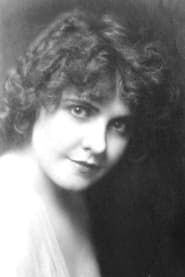
Lois Meredith
Actor
- Active
- 1922-1922
Films 1
About Lois Meredith
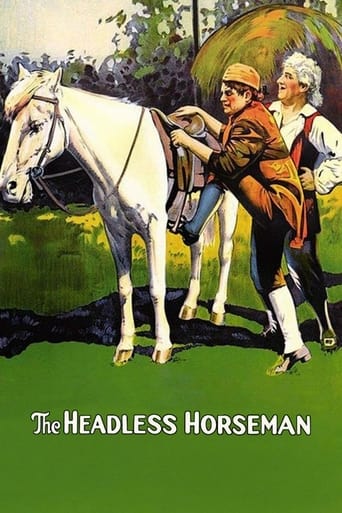
Lois Meredith was a silent-era screen actress whose surviving film record is sparse but places her in early 1920s American cinema, including an appearance in The Headless Horseman (1922). She appears to have worked during a short stretch of the silent period, when many performers moved quickly through features and serials with limited long-term documentation. Like many actresses of the era whose careers were concentrated in a few years, her surviving credits suggest she was part of the large professional pool of players who supported the studio system's rapidly expanding production slate. Available sources do not preserve a detailed public biography, so many specifics about her personal life, training, and later years remain obscure. Her name survives primarily through film databases and cast listings rather than through extensive press coverage or studio publicity. Because of the limited documentation, she is best understood as one of the numerous working silent-film actresses whose contributions helped shape the texture and credibility of early American screen storytelling. Her presence in The Headless Horseman links her to one of the era's popular literary adaptations and to the visual style of early 1920s costume and adventure filmmaking.
More about Lois Meredith
On screen
No detailed reviews or performance analyses of Lois Meredith appear to survive in widely available reference sources. As a silent-era performer active in the early 1920s, her acting would have depended on expressive gesture, facial expression, and clear visual storytelling rather than spoken dialogue. Her screen approach was likely consistent with the natural evolution of silent film performance in the post-Victorian era, moving toward more restrained and cinematic realism than the broad melodramatic style of the 1910s. Because no surviving criticism specifically defines her technique, any more precise description would be speculative.
In film history
Lois Meredith's cultural impact is difficult to measure in the conventional star-centered sense because the surviving record does not preserve a substantial body of work or personal publicity. Nevertheless, performers like Meredith were essential to the silent-era film industry, filling supporting roles that gave period productions their social texture and emotional credibility. Her appearance in The Headless Horseman places her within the important tradition of literary adaptation that helped establish cinema as a mainstream narrative art form. The fact that her name still appears in film databases also underscores how modern archival work continues to recover and preserve the contributions of lesser-known silent performers. In this sense, her legacy is part of the broader historical memory of the silent film workforce rather than of a major celebrity persona.
Later reputation
Her lasting legacy lies in her documentation as a silent-era actress associated with an early 1920s feature, preserving a trace of the many working players whose names were once familiar within studio production but who later slipped from public memory. For historians, she is valuable as evidence of the broad and often under-recorded cast networks that supported silent cinema's growth. Even with only a small number of surviving references, her credit helps maintain a more complete picture of the period's industrial and artistic ecosystem. She stands as one of the many names that remind us that classic film history is built not only on stars and auteurs, but also on the labor of performers whose careers were brief or poorly archived.
Influence
There is no evidence that Lois Meredith directly influenced later actors or filmmakers in a documented, attributable way. Her broader influence is indirect: she is part of the generation of silent-screen performers whose work established performance conventions that later actors inherited and refined. By participating in an adaptation like The Headless Horseman, she also contributed to the visual language of early costume and literary films that shaped audience expectations for period storytelling. Her presence in the historical record contributes to ongoing scholarly efforts to reconstruct the full personnel landscape of silent cinema.
Off screen
No reliable biographical profile currently appears to survive in commonly referenced classic-cinema sources. Her marriages, family background, education, and later life are not well documented in the accessible historical record. As a result, her personal life remains largely unknown beyond the fact that she was active as a screen performer in 1922. This lack of documentation is not unusual for minor silent-era players whose careers were brief and whose studio-era publicity materials have not been widely preserved.
Credits
- Appeared in the silent film The Headless Horseman (1922), one of the few surviving credits associated with her name
- Worked during the late silent era, a period that demanded expressive physical performance and visual clarity from screen actors
- Represents the many lesser-documented performers who contributed to early feature filmmaking even when their careers were brief or lightly recorded
Roles
- Unnamed or uncredited character in The Headless Horseman (1922) as recorded in surviving cast references
Films
- The Headless Horseman (1922)
Notes
- Lois Meredith is chiefly identifiable today through film-cast records rather than through a large surviving star biography.
- Her known screen activity is concentrated in 1922, making her an example of a very briefly documented silent-era performer.
- She is associated with The Headless Horseman, a story drawn from classic American literature and repeatedly adapted for screen and stage.
- No widely cited publicity portraits, interviews, or memoir accounts for her are commonly preserved in standard reference sources.
- Her obscurity illustrates how many silent film performers had careers that were recorded only fragmentarily in surviving studio and trade-material archives.
- Because her known work comes from the silent era, she would have performed without recorded dialogue, relying on physical expressiveness.
- Her name remains of interest to film historians and database researchers seeking to identify complete cast information for early films.
Questions
Who was Lois Meredith?
Lois Meredith was a silent-era film actress whose surviving credits place her in early 1920s cinema. She is best known today for appearing in The Headless Horseman (1922), though the historical record about her life is very limited.
What films is Lois Meredith best known for?
She is best known for The Headless Horseman (1922), the principal surviving credit associated with her name. No broader, securely documented filmography is readily preserved in standard classic-cinema references.
When was Lois Meredith born and when did she die?
Her birth and death dates are not readily verifiable in the commonly available historical record. Because reliable biographical documentation is sparse, these details remain unknown.
What awards did Lois Meredith win?
No awards or formal honors are currently documented for Lois Meredith in the accessible classic-cinema record. Her historical significance rests more on her presence in silent film history than on recorded accolades.
What was Lois Meredith's acting style?
Specific reviews describing her style have not survived in widely available sources. As a silent-era actress, she would have relied on expressive facial acting, gesture, and visual storytelling appropriate to early 1920s filmmaking.
What is Lois Meredith's legacy in film history?
Her legacy lies in her role as one of the many working silent-film performers whose names survive in cast records even when personal details do not. She helps historians reconstruct the personnel and production culture of early American cinema.