Jubilo
Plot
Jubilo is a wandering hobo who becomes an inadvertent witness to a robbery, placing him in the path of danger as he tries to do the right thing in a hostile world. Seeking temporary stability, he takes work on Judge Hardy’s farm, where his rough-edged honesty and easy charm quickly make him a useful if unlikely ally. The story then moves into a rural Western-comic conflict as a sinister villain begins plotting revenge and disruption against the people around the farm. Jubilo’s mixture of resourcefulness, good humor, and plainspoken decency allows him to outwit the threat and restore order, with the film balancing slapstick comedy, frontier romance, and moral comeuppance in the classic Will Rogers mode.
About the Production
Jubilo was produced during Will Rogers’s early feature-film period, when his screen persona as the affable, wry, down-to-earth Westerner was being translated from vaudeville and stage popularity into motion pictures. The film was directed by Clarence G. Badger, a filmmaker with experience in comedy and light drama, which helped shape the film’s blend of folksy humor, frontier action, and sentimental appeal. Like many American silent productions of the late 1910s, detailed budget records do not survive in commonly accessible sources, and surviving documentation is limited compared with later studio features. The film is associated with the period in which Rogers was being established as a bankable screen star, so its production is significant not for spectacle but for consolidating a persona that would become central to his career.
Historical Background
Jubilo was released in 1919, immediately after World War I and during a period of major social adjustment in the United States. Audiences were drawn to films that offered reassurance, humor, and recognizable American types, and the hobo hero fit neatly into a culture fascinated by mobility, independence, and the outsider’s critique of respectability. The film also emerged during the silent era’s peak years, when genre formulas were being tested and blended in ways that would shape later Hollywood storytelling. As a Will Rogers vehicle, it mattered because Rogers represented an appealing national voice at a time when the country was negotiating modernity, class tensions, and the aftereffects of wartime change.
Why This Film Matters
Jubilo is culturally significant as part of the foundation of Will Rogers’s screen image, one of the most enduring and distinctly American personae in early cinema. The film helped popularize a type of protagonist who was socially marginal but morally central: the drifter who sees through hypocrisy, survives through wit, and ultimately improves the lives around him. Its mixture of Western setting, comedy, and rustic morality reflects a strand of silent-era filmmaking that helped define Hollywood’s understanding of the American frontier as both a mythic and humorous space. Even when not widely remembered today, films like Jubilo contributed to the evolution of the homespun comic-hero tradition that later found echoes in sound-era Westerns and character comedies.
Making Of
Jubilo was made at a point when Will Rogers was still refining the screen version of the personality that audiences knew from stage performance and public appearances: unpretentious, observant, humorous, and fundamentally decent. Clarence G. Badger’s direction likely emphasized clean comic timing and straightforward storytelling, allowing Rogers’s conversational style and easy physical presence to carry much of the film’s appeal. The production reflects the practical realities of silent-era filmmaking, where outdoor shooting and economical staging were common, particularly for Western material that benefited from open landscapes and simple action setups. While detailed production memos and anecdotal records are scarce, the film clearly belongs to the industry’s effort to package Rogers as a star who could anchor both comedy and Americana-inflected drama.
Visual Style
The cinematography is characteristic of late silent-era Western production: functional, legible, and oriented toward clear staging of action and character interaction. Outdoor settings likely provided the visual backdrop for the farm and frontier material, while the camera work would have favored medium and long shots that allowed physical comedy and blocking to play cleanly for silent audiences. Rather than relying on elaborate expressionist effects or unusual camera movement, the film’s visual style appears to prioritize story clarity and the relaxed rhythms of Rogers’s performance. Its imagery likely emphasized the open-air American landscape as a space of both comic possibility and moral testing.
Innovations
Jubilo does not appear to be associated with major technical innovations, but it is representative of polished silent-era studio craftsmanship in the way it integrates comedy, action, and melodrama into a concise feature format. Its chief achievement lies in performance-centered filmmaking: staging scenes so Will Rogers’s timing, facial expressions, and understated physicality could register clearly without sound. The film also demonstrates the period’s efficient use of genre conventions, making a simple narrative legible and entertaining through visual storytelling. In that sense, its technical value is historical and industrial rather than pioneering in a strictly technological sense.
Music
As a silent film, Jubilo had no synchronized recorded soundtrack. In 1919 it would have been shown with live musical accompaniment that varied from theater to theater, ranging from a solo pianist to a small ensemble depending on venue resources. No original score is widely documented in standard surviving sources, and any modern presentations would typically use a reconstructed or newly compiled accompaniment. The film’s emotional cues would therefore have depended heavily on local exhibition practice.
Famous Quotes
No synchronized dialogue survives for this silent film, so no verified spoken quotes are available.
Intertitles from the film are not consistently documented in surviving reference sources.
Memorable Scenes
- Jubilo witnessing the robbery and realizing he has stumbled into a dangerous situation far bigger than himself.
- His arrival at Judge Hardy’s farm and the gradual acceptance of the hobo as a useful, good-hearted worker.
- The villain’s revenge plot unfolding against the farm community, giving the film its melodramatic tension.
- Jubilo using wit and common sense rather than brute force to foil the antagonist’s schemes.
- The final restoration of order, which closes the film on the satisfying note of comic justice and rural harmony.
Did You Know?
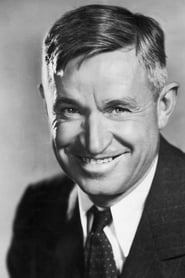
- Jubilo is one of the early screen vehicles that helped define Will Rogers’s movie persona as a good-natured drifter with practical wisdom and a strong moral center.
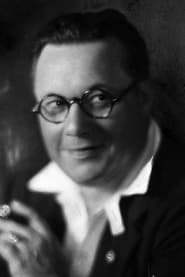
- The film is directed by Clarence G. Badger, who was also known for comedy work and for handling performers with strong comic identities.
- The title character is a hobo, a figure that was especially resonant in American popular culture of the era, often used to represent freedom, mobility, and plainspoken social commentary.
- The film combines Western elements with comedy and melodrama, reflecting the flexible genre-blending common in silent-era features.
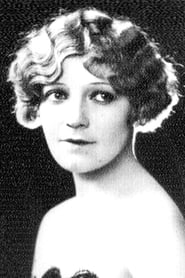
- Josie Sedgwick appears in the cast, bringing one of the familiar Western-film faces of the period to the production.
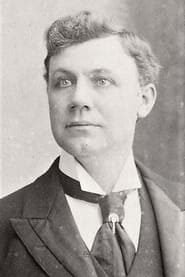
- Charles K. French, a prolific character actor of silent cinema, adds authority to the film’s supporting cast.
- The film belongs to the late 1910s wave of light Western comedies that relied on character charm and moral resolution rather than large-scale action.
- Because it is a silent film from 1919, the original musical accompaniment would have varied from venue to venue, depending on the theater showing it.
- The film’s survival status is uncertain in many casual reference sources, a common issue with silent features from the era.
- The movie is notable in Will Rogers’s filmography as part of the transition from short-form or early feature experimentation to a more established starring career.
What Critics Said
Contemporary critical reception is not comprehensively preserved in the most easily accessible sources, but the film appears to have been received as a pleasant and star-centered vehicle rather than as a major prestige production. Reviews from the period for Will Rogers films generally emphasized his charm, authenticity, and comic timing, suggesting that Jubilo was likely valued for performance and mood more than for narrative complexity. Modern assessment tends to place it primarily within Rogers’s career development and the broader history of silent Western comedy. Its critical importance today is mostly historical: it is studied as an early example of Rogers’s screen persona and of the genre blend that characterized many late-1910s American features.
What Audiences Thought
No detailed box-office or audience-survey data is readily available, but the film was part of a marketable cycle built around Will Rogers’s popularity, indicating that exhibitors saw value in his name and persona. Silent-era audiences were generally receptive to homespun comedy and Western morality tales, particularly when anchored by a recognizable performer. The film’s appeal likely came from the combination of rough humor, romantic or domestic stability, and the satisfaction of seeing a clever outsider outmaneuver villainy. As with many silent films, its audience reputation would have varied by region and by the quality of local musical accompaniment and presentation.
Film Connections
Influenced By
- American vaudeville comedy traditions
- The popular hobo figure in early 20th-century American culture
- Silent Western melodramas
- Will Rogers’s stage persona and topical humor
This Film Influenced
- Later Will Rogers Western comedies and vehicles
- The homespun outsider-hero tradition in American comedy
- Subsequent rural Western comedies featuring a clever drifter protagonist
You Might Also Like
More Comedy Films
View allMore from Clarence G. Badger
View allFilm Restoration
Survival status is not clearly documented in all standard reference sources. Like many 1910s silent features, it may survive only partially or in unstable archival holdings, and some modern databases do not provide confirmation of complete restoration. If extant, it is not widely known as a regularly screened restored title.