Josie Sedgwick
Actor
- Active
- 1919-1919
Films 1
About Josie Sedgwick
Josie Sedgwick was an American silent-film actress whose screen career appears to have been brief and centered in the late 1910s, with documented credit in the 1919 film "Jubilo." She belongs to the generation of performers who worked during the rapid expansion of American silent cinema, when many actors appeared in only a small number of surviving or well-documented productions. Because historical records on her are limited, much of her broader life outside of film has not been securely preserved in standard reference sources. Her name appears in film history primarily through cast listings and archival references rather than through an extensive surviving body of work. The available evidence suggests that she was part of the busy pool of supporting players and featured performers who helped populate one-reel and feature-length productions of the era. Unlike major stars of the silent screen, she does not appear to have built a long-screen career into the sound era, and her post-film life is not well documented in accessible classic-cinema references. As a result, Josie Sedgwick is remembered chiefly as a little-known participant in silent-era film culture, representative of many working actors whose contributions survive in credits even when detailed biographical information has been lost.
More about Josie Sedgwick
In film history
Josie Sedgwick's cultural impact is best understood as part of the broader historical fabric of silent cinema rather than through celebrity recognition. Performers like her were essential to the functioning of early film production, filling supporting and featured roles that gave shape and continuity to silent narratives. Even when their individual biographies are obscure, such actors contributed to the development of screen acting conventions in an era before synchronized sound, when gesture, expression, and visual storytelling carried the drama. Her documented presence in a 1919 film places her within the mature silent period, when American cinema was becoming a dominant popular art form. Because her career documentation is sparse, her legacy is primarily archival: she remains a name preserved in cast lists, film databases, and historical references. For researchers and classic-film enthusiasts, she is representative of the many working actors whose work has been partially lost to time but whose participation still matters to the history of early Hollywood. Her existence in the record underscores how much silent-film culture depended not only on marquee stars but also on numerous lesser-known performers whose names have survived unevenly. In that sense, Josie Sedgwick's importance lies in illustrating the breadth and anonymity that characterized much of the silent-film workforce.
Later reputation
Josie Sedgwick's legacy is that of a documented but little-known silent-era screen performer whose surviving record reminds historians of how incomplete early film history can be. She is not associated with a large body of credited work or with major award recognition, but her name endures through the preservation of film credits and historical databases. For modern researchers, she is valuable as evidence of the large, diverse community of actors who helped build silent cinema's storytelling vocabulary. Her limited surviving footprint makes her emblematic of the many performers whose careers are difficult to reconstruct because so many films, publicity materials, and personal records have been lost.
Influence
There is no secure evidence that Josie Sedgwick directly trained or mentored later performers, or that she exerted a widely documented influence on specific actors or directors. Her influence is therefore indirect and historical rather than personal: she contributed to a cinematic era in which acting methods were being standardized through silent performance practices. By participating in early screen production, she was part of the collective body of performers whose work helped define visual acting for the medium. Any influence she had would have been through the cumulative example of silent-era screen acting rather than through a clearly traceable mentorship legacy.
Off screen
Reliable published biographical detail about Josie Sedgwick's personal life is not readily available in standard classic-cinema references. Her marriages, family background, education, and later life are not clearly documented in the surviving film-history record that is commonly accessible. As with many silent-era performers, especially those with very limited screen credits, personal information may exist in archival records, trade papers, or local historical sources, but it is not securely established here. Until corroborated by primary documentation, these details should be treated as unknown rather than inferred.
Credits
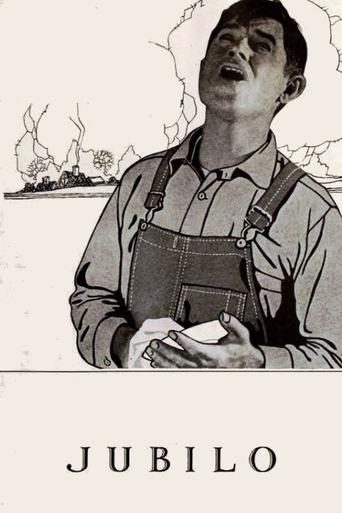
- Screen credit in the 1919 silent feature "Jubilo"
- Representation of the many lesser-documented performers working in American silent cinema during the late 1910s
- Participation in early feature-film production at a time when the studio system and star system were rapidly solidifying
Roles
- Role in "Jubilo" (1919)
Films
- Jubilo (1919)
Notes
- Her best-known surviving film credit is "Jubilo" (1919).
- She is associated with the silent era, when many performers worked briefly and left limited documentary traces.
- Standard reference sources do not clearly preserve her birth and death details, making her one of the more obscure names in silent-film records.
- Her surviving filmography is so small that she is often encountered through archival cast lists rather than biographies.
- She represents the many supporting and lesser-known performers who contributed to early Hollywood without becoming major stars.
- Her name appears in classic-cinema research primarily as a credited actor rather than as a star with a documented personal history.
Questions
Who was Josie Sedgwick?
Josie Sedgwick was an American silent-film actor known from surviving film credits, including "Jubilo" (1919). She appears to have had a brief or lightly documented screen career, which is common among many performers from the silent era. Her importance today lies mainly in film history and archival record rather than in celebrity status.
What films is Josie Sedgwick best known for?
Josie Sedgwick is best known for "Jubilo" (1919), which is the principal surviving title associated with her in accessible reference sources. Because her filmography is sparse in the historical record, there are not many other widely confirmed titles to list with confidence. Her recognition comes primarily from that documented silent-era appearance.
When was Josie Sedgwick born and when did she die?
Her birth and death dates are not securely documented in the readily accessible classic-cinema references used here. Likewise, her birth place and later life details remain unconfirmed. Until stronger archival evidence is found, those facts should be treated as unknown.
What awards did Josie Sedgwick win?
No awards or nominations are currently documented for Josie Sedgwick in the available historical record. This is not unusual for lesser-documented silent-era performers, many of whom worked before the modern awards system was established. Her contribution is preserved through film history rather than formal honors.
What was Josie Sedgwick's acting style?
There is no detailed critical description of Josie Sedgwick's individual acting style in the surviving record. As a silent-era performer, her work would have relied on physical expression, facial nuance, and visual storytelling, which were the core techniques of the period. Any assessment of her style would require viewing surviving footage, if any exists, or finding contemporary reviews.
Why is Josie Sedgwick still discussed by film historians?
She is discussed because she is one of the many silent-era performers whose names remain in film credits even when personal biographies are fragmentary. These names are important for reconstructing the history of early Hollywood and understanding how many people contributed to the silent screen. Even obscure credits help historians map the networks of actors working in 1910s cinema.