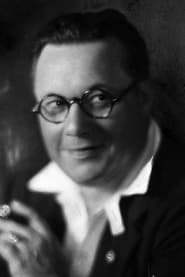
Willard Louis
Actor
Born: April 19, 1882 in San Francisco, California, USA Died: July 11, 1926 Active: 1922-1926 Birth Name: William Louis Levy
Films
5 films

About Willard Louis
Willard Louis, born William Louis Levy, began his entertainment career in vaudeville before making the transition to silent films in the early 1920s. He quickly established himself as a reliable character actor, often cast as villains or comic relief in major Hollywood productions. Louis signed with Warner Bros. And appeared in several prestigious films alongside stars like Douglas Fairbanks and John Barrymore, showcasing his versatility across different genres. His distinctive appearance, characterized by his rotund figure and expressive face, made him memorable even in supporting roles. Louis's career was tragically cut short when he died of typhoid fever at age 40 in 1926, just as his career was gaining significant momentum. Despite his brief film career spanning only four years, he on several important silent films that continue to be studied and appreciated by film historians and enthusiasts today.
The Craft
On Screen
Louis's acting style was rooted in his vaudeville background, featuring expressive facial movements and physical comedy techniques that translated effectively to the silent screen. He excelled at creating memorable supporting characters through exaggerated gestures and precise timing, using his distinctive physical presence to convey complex emotions without dialogue. His approach combined theatricality with subtle nuances, allowing him to play both villainous and comic roles with equal effectiveness. Louis mastered the art of pantomime and facial expression, crucial skills for silent film actors, making his characters stand out even in ensemble casts.
Milestones
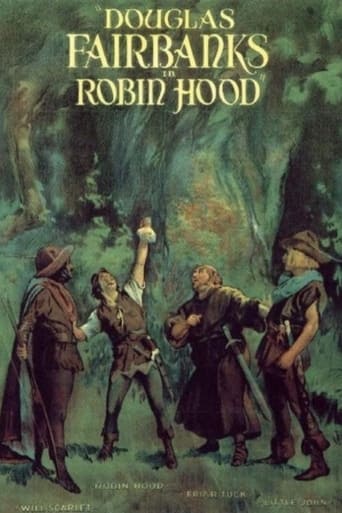
- Breakthrough role as Prince John in Robin Hood (1922) opposite Douglas Fairbanks
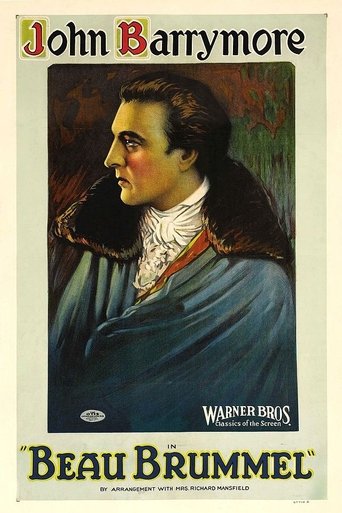
- Memorable performance as Lord Alvanley in Beau Brummel (1924) with John Barrymore
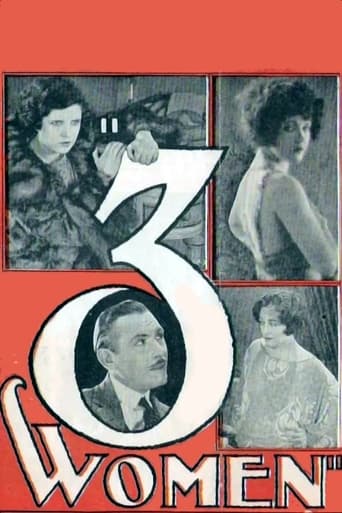
- Notable supporting role in Ernst Lubitsch's Three Women (1924)
- Final film appearance in Don Juan (1926), one of the first films with synchronized musical score
- Established himself as a reliable character actor at Warner Bros. During the silent era
Best Known For
Iconic Roles
Must-See Films
Working Relationships
Worked Often With
Studios
Why They Matter
Impact on Culture
Willard Louis contributed significantly to the golden age of silent cinema by bringing depth and character to supporting roles that might otherwise have been one-dimensional. His work in major productions helped elevate the quality of ensemble casts during a crucial period in film history, demonstrating the importance of skilled character actors in creating rich cinematic worlds. Louis represented the successful transition from stage to screen acting, adapting theatrical techniques effectively for the new medium of cinema. His performances in films directed by legends like Ernst Lubitsch helped establish standards for supporting character work that would influence subsequent generations of actors.
Lasting Legacy
Though his career was tragically brief, Willard Louis is remembered by film historians as a talented character actor who brought nuance and distinction to supporting roles in some of the most significant silent films of the 1920s. His performances in landmark productions like Robin Hood and Don Juan continue to be studied for their technical skill and artistic merit, representing the high quality of character acting during the silent era. Louis serves as an example of the many talented actors of the period whose lives and careers were cut short, leaving film historians to speculate about the greater contributions they might have made had they lived longer. His work remains an important part of film history, particularly in understanding the evolution of character acting in early cinema.
Who They Inspired
Louis influenced other character actors by demonstrating how supporting roles could be elevated through nuanced performance and distinctive screen presence. His ability to create memorable characters in limited screen time became a model for subsequent generations of character actors in Hollywood. The technical skills he developed transitioning from vaudeville to film provided a template for other stage performers making the same career change. His work with major directors and stars helped establish the importance of reliable, skilled supporting players in ensemble productions, a principle that remains fundamental to filmmaking today.
Off Screen
Willard Louis married actress Irene Dalton in 1915, and their marriage lasted until his death in 1926. The couple had no children together. Despite his growing fame in Hollywood, Louis was known as a dedicated family man who preferred a quiet domestic life off-screen. His colleagues remembered him as a professional and good-humored individual who was well-liked on film sets. Louis's death at age 40 from typhoid fever was a shock to the Hollywood community, coming just as he was establishing himself as a prominent character actor in major productions.
Education
Limited formal education; primarily trained in vaudeville and theater performance techniques
Family
- Irene Dalton (1915-1926)
Did You Know?
- Born William Louis Levy, he changed his name for his acting career to avoid confusion with other performers
- Began his career in vaudeville before transitioning to films in his late 30s
- Died of typhoid fever at age 40, just as his career was gaining significant momentum in Hollywood
- His final film Don Juan (1926) was one of the first films to feature a synchronized musical score, though it was not a true talkie
- Despite appearing in major productions with Hollywood's biggest stars, he never received above-the-title billing
- He was known for his remarkable ability to play both comedic and villainous roles with equal effectiveness
- His death occurred during the crucial transition period from silent films to talkies in Hollywood
- He worked with some of the biggest stars of his era including Douglas Fairbanks, John Barrymore, and Mary Astor
- His distinctive rotund appearance and expressive face made him easily recognizable to audiences of the time
- He was part of Warner Bros.' roster of character actors during the studio's early years of prominence
Frequently Asked Questions
Who was Willard Louis?
American character with credits in this catalog. Born William Louis Levy, he appeared in notable productions like Robin Hood (1922) and Don Juan (1926), often playing supporting roles as villains or comic relief characters alongside Hollywood's biggest stars.
What films is Willard Louis best known for?
Titles linked here include Robin Hood (1922), Beau Brummel (1924).
When was Willard Louis born and when did he die?
Born April 19, 1882; died July 11, 1926.
What awards did Willard Louis win?
Willard Louis did not receive any major awards during his lifetime, as his career was relatively brief and occurred before the establishment of many film honors. However, his performances in major silent films are recognized and appreciated by film historians today for their artistic merit.
What was Willard Louis's acting style?
Louis's acting style was rooted in his vaudeville background, featuring expressive facial movements and physical comedy techniques. He excelled at creating memorable supporting characters through exaggerated gestures and precise timing, successfully adapting theatrical techniques for the silent film medium.
How did Willard Louis die?
Willard Louis died of typhoid fever on July 11, 1926, at the age of 40. His death was sudden and unexpected, occurring just as his career in Hollywood was gaining significant traction and he was establishing himself as a reliable character actor in major productions.
Did Willard Louis work with any famous directors?
Yes, Louis worked with several prominent directors of the silent era including Ernst Lubitsch (Three Women), Allan Dwan (Robin Hood), and Alan Crosland (Don Juan). These collaborations placed him in some of the most prestigious productions of his time.
Was Willard Louis married?
Yes, Willard Louis married actress Irene Dalton in 1915, and they remained married until his death in 1926. The couple had no children together, and Louis was known as a dedicated family man despite his growing Hollywood fame.