William Russell
Actor
Born: April 12, 1886 in The Bronx, New York, USA Died: July 18, 1929 Active: 1912-1923 Birth Name: William Leroy Russell
Films
7 films

About William Russell
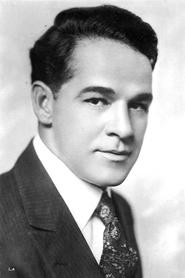
Prominent silent film actor who began his career on the Broadway stage before transitioning to motion pictures in 1912. He quickly rose to become a leading man in the burgeoning film industry, starring in numerous one- and two-reel shorts for various studios including the American Film Company. Russell was particularly known for his work opposite his wife, actress Charlotte Burton, with whom he frequently co-starred in romantic dramas and melodramas. His over 200 films during the golden age of silent cinema, working with notable directors like Allan Dwan, Thomas H. Ince, and John Francis Dillon. Russell's handsome appearance and natural acting style made him a popular matinee idol during the mid-1910s. As the film industry evolved toward feature-length productions in the 1920s, Russell's career began to decline, though he continued working in supporting roles. He died tragically young at age 43 in 1929, just as the transition to sound films was transforming Hollywood, leaving behind a significant body of work that represents an important chapter in early American cinema history.
The Craft
On Screen
Russell's acting style embodied the transition from theatrical to cinematic performance techniques characteristic of the silent era. He employed exaggerated gestures and facial expressions to convey emotions effectively without dialogue, yet his performances showed remarkable subtlety compared to many contemporaries. His stage background provided him with strong presence and diction skills that translated well to the physical demands of silent film acting. Russell excelled at portraying romantic leads with genuine warmth and sincerity, avoiding the stiff, artificial mannerisms common in early cinema. His ability to convey complex emotions through subtle facial movements and body language made him particularly effective in dramatic roles and romantic scenes.
Milestones
- Transitioned from Broadway to silent films in 1912
- Became leading man for American Film Company
- Starred in over 200 films during his career
- Frequent collaboration with wife Charlotte Burton
- Worked with directors Allan Dwan and Thomas H. Ince
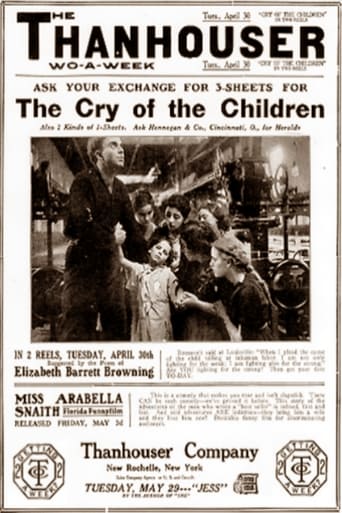
- Starred in the acclaimed social drama 'The Cry of the Children' (1912)
Best Known For
Iconic Roles
Must-See Films
Accolades
Special Recognition
- Star on the Hollywood Walk of Fame (posthumously awarded)
Working Relationships
Worked Often With
Studios
Why They Matter
Impact on Culture
William Russell contributed significantly to the development of American silent cinema as it evolved from short subjects to feature-length films. His work in socially conscious dramas like 'The Cry of the Children' helped establish cinema as a medium for addressing serious social issues, particularly child labor reform. Russell's naturalistic acting style influenced the transition away from the more theatrical performances common in early films, helping to create a more cinematic approach to acting. His prolific output during the formative years of Hollywood helped establish patterns of film production and star development that would become industry standards. Russell's career trajectory also illustrates the challenges faced by silent film stars as the industry rapidly evolved and new technologies emerged.
Lasting Legacy
William Russell's legacy lies in his substantial contribution to the foundation of American cinema during its most formative decade. His extensive filmography provides valuable documentation of early cinematic techniques and storytelling methods. Though less remembered today than some of his contemporaries, Russell was instrumental in establishing the archetype of the American leading man in silent films. His work with directors helped shape the language of cinema during its transition from novelty to art form. The preservation of his films continues to provide insight into early 20th century American culture and values. Russell's career serves as a case study in the rapid evolution of the film industry and the precarious nature of stardom during the silent era.
Who They Inspired
Russell influenced subsequent generations of actors through his demonstration of how theatrical training could be adapted for the unique demands of film performance. His naturalistic approach to emotional expression helped pave the way for more subtle acting styles that would become standard in later sound films. Younger actors at American Film Company learned from his professional approach and technical skill. His work in social issue films demonstrated cinema's potential as a vehicle for social commentary, influencing later filmmakers who used movies to address social concerns. Russell's success as a romantic lead helped establish audience expectations for leading men that would influence casting and performance styles for decades.
Off Screen
William Russell married actress Charlotte Burton in 1917, and their professional and personal partnership became. The couple frequently co-starred together, creating on-screen chemistry that audiences adored. Their marriage ended in divorce in 1921, which coincided with a decline in Russell's career momentum. He later married actress Irene Dalton. Russell was known as a dedicated professional who took his craft seriously, often working on multiple films simultaneously during the peak of his career. His death at age 43 cut short what might have been a continued career in sound films.
Education
Educated in New York City public schools; studied acting at dramatic schools in Manhattan
Family
- Charlotte Burton (1917-1921)
- Irene Dalton (1924-1929)
Did You Know?
- Appeared in over 200 films during his 11-year career
- His real name was William Leroy Russell
- Started as a stage actor on Broadway before entering films
- Married his frequent co-star Charlotte Burton in 1917
- Worked with director Thomas H. Ince early in his career
- Died just as the sound era was beginning, missing the transition to talkies
- Was one of the first actors to receive a star on the Hollywood Walk of Fame posthumously
- His film 'The Cry of the Children' was selected for preservation in the National Film Registry
- Often performed his own stunts in action sequences
- Was known for his professionalism and reliability on set
In Their Own Words
The moving picture is the art form of the future, and we who practice it must be its pioneers.
In film, the eyes tell the story when words cannot be heard.
Every gesture must mean something, every expression must carry the weight of emotion.
Frequently Asked Questions
Who was William Russell?
Prominent American silent film with credits in this catalog. He began his career on Broadway before transitioning to motion pictures, becoming a leading man known for his work with the American Film Company and frequent collaborations with actress Charlotte Burton, whom he later married.
What films is William Russell best known for?
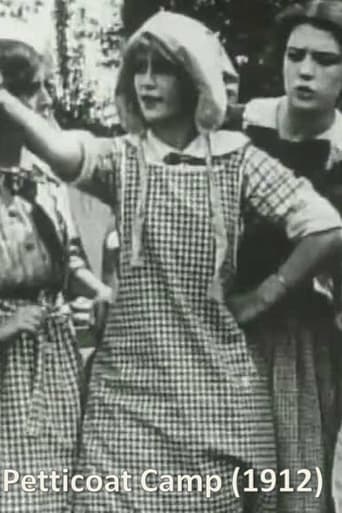
Titles linked here include The Cry of the Children (1912), Petticoat Camp (1912).
When was William Russell born and when did he die?
Born April 12, 1886; died July 18, 1929.
What awards did William Russell win?
During his lifetime, Russell did not receive major formal awards as the award systems for film were not yet established. However, he was posthumously honored with a star on the Hollywood Walk of Fame in recognition of his contributions to early cinema.
What was William Russell's acting style?
Russell's acting style represented the transition from theatrical to cinematic performance, characterized by expressive gestures and facial emotions typical of silent era acting but with notable subtlety. His stage background provided him with strong presence while his film work showed an understanding of the camera's unique requirements for conveying emotion without dialogue.