
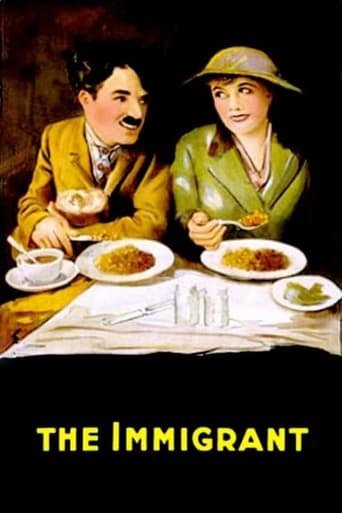
The Cry of the Children
"Mill children suffer while reformers plead for mercy."
Keys: Space play/pause · ←/→ 10s · F fullscreen · M mute · </> speed
About this film
An indictment of the evils of child labor, the film was controversial in its time for its use of actual footage of children employed in a working mill.
Cast & crew
More films like this
More Drama films
View all →







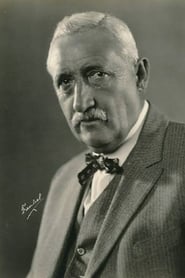
More from George Nichols
View all →


More about this film
About the production
Release dateApril 30, 1912
Box officeExact figures unknown, but the film was commercially successful and widely distributed
ProductionThanhouser Film Corporation
Filmed inNew Rochelle, New York (Thanhouser Studios), Actual textile mills in New England
The film was groundbreaking for its use of documentary footage showing actual child workers in textile mills. Director George Nichols and the Thanhouser company took significant risks by incorporating real footage of working conditions, which was highly controversial for 1912. The production team faced criticism from some business interests but gained support from reformers and social activists. The film's authenticity was enhanced by shooting on location at working mills, though the exact locations remain partially undocumented.
Themes
Child labor exploitationIndustrial capitalismFamily povertySocial reformInnocence lost
Themes & topics
child labortextile millpovertydeathfamily tragedysocial reformworking conditionsindustrializationexploitationdocumentary footage
Historical background
By 1912, The Cry of the Children was shaped by the silent era technology, distribution, and audience expectations.
Why this film matters
The Cry of the Children (1912) helps trace genre evolution, performer careers, and exhibition practices of its period.
Making of
The production of The Cry of the Children was revolutionary for its time, representing one of cinema's earliest attempts at social documentary. Director George Nichols, working for the Thanhouser Film Corporation, decided to incorporate actual footage of child workers, a bold choice that blurred the line between fiction and documentary. The film was made during the height of the Progressive Era when child labor was a major social issue, with an estimated 2 million children working in American industry. The Thanhouser company took significant commercial risks by producing such a controversial film, as many theater owners feared alienating business patrons. The young actors, particularly Marie Eline, had to portray both the innocence of childhood and the devastating effects of industrial exploitation. The production team reportedly faced difficulties gaining access to actual mills for filming, though they eventually succeeded in capturing authentic footage that would prove crucial to the film's impact.
What critics said
Trade coverage around 1912 discussed The Cry of the Children in terms of craft and audience appeal rather than blockbuster scale.
Did you know?
- This was one of the first American films to directly address social reform issues, predating D.W. Griffith's more famous social dramas
- The film was so impactful that it was screened for the U.S. Congress as part of hearings on child labor reform
- Marie Eline, who played the young girl, was known as 'The Thanhouser Kid' and was one of the first child stars in American cinema
- The film's title was inspired by Elizabeth Barrett Browning's 1843 poem 'The Cry of the Children'
- The National Child Labor Committee endorsed the film and used it in their campaigns
- Some theater owners refused to show the film, fearing it would anger local business owners who employed children
- The film was distributed internationally and was particularly well-received in Britain, where child labor reform was also a major issue
- Thanhouser claimed the film was 'based on actual conditions' and used 'real factory children' in some scenes
- The film's success led Thanhouser to produce other social problem films, though none were as impactful
- Contemporary newspapers reported that audiences were often moved to tears by the film's depiction of child suffering
Awards & recognition
- Special Commendation from the National Child Labor Committee (1912)
- Recognition from the New York Child Labor Commission (1912)
Visual style
The cinematography of The Cry of the Children was notable for its time, particularly in its use of actual location footage at working mills. The film employed a mix of staged studio scenes and documentary-style location shooting, creating a powerful contrast between the family's domestic life and the harsh industrial environment. The camera work in the mill scenes was particularly effective, using the confined spaces and machinery to emphasize the dangerous conditions. The film's visual style incorporated the dramatic lighting techniques common in early cinema, with strong contrasts between light and shadow to enhance emotional impact. The documentary footage, while technically crude by modern standards, was revolutionary for its authenticity and helped establish cinema's potential as a documentary medium.
Innovations
The Cry of the Children was technically innovative for its pioneering use of documentary footage within a narrative framework. The film's most significant technical achievement was its successful integration of actual location footage of working mills with staged dramatic scenes, a technique that would later become common in social realist cinema. The production also demonstrated early mastery of continuity editing across multiple locations. The film's use of close-ups to capture the children's emotional states was relatively advanced for 1912, helping to create audience empathy. The technical quality of the mill footage, despite the challenging lighting conditions, was noteworthy for its clarity and ability to convey the dangerous working environment.
Music
As a silent film, The Cry of the Children would have been accompanied by live musical performance during theatrical exhibitions. Typical scores for dramatic films of this era included classical pieces, popular songs, and specially composed mood music. Given the film's serious subject matter, theaters likely used somber, emotional music including pieces like 'The Funeral March' or other classical selections. Some larger theaters may have commissioned original scores, though specific musical arrangements for this film are not documented. The emotional impact of the film was significantly enhanced by the musical accompaniment, which was crucial to silent film storytelling.
Famous quotes
They are little martyrs, these children of the mills, who sacrifice their youth and their health for the profit of others." - Intertitle from the film
No mother's love can protect her child from the merciless wheels of industry." - Opening narration card
In the name of progress, we sacrifice our future." - Closing intertitle
The cry of the children is heard in heaven, if not on Earth." - Reference to Browning's poem
Memorable scenes
- The documentary footage showing actual child workers operating dangerous machinery in the textile mill, which shocked audiences with its raw authenticity
- The deathbed scene where the young girl, exhausted from overwork, dies in her mother's arms while dreaming of a normal childhood
- The contrast sequence showing wealthy factory owners enjoying luxury while their child laborers suffer
- The final scene showing the mother's grief and the empty space left by her dead child, emphasizing the human cost of industrial exploitation
What audiences thought
The Cry of the Children elicited strong emotional responses from audiences in 1912, with many reports of viewers weeping during screenings. The film was particularly popular with reform-minded audiences, women's groups, and labor organizations. Some theaters reported that the film sparked discussions among audience members after screenings, with several organizing petitions against child labor. However, some audience members in industrial areas reportedly found the film too disturbing or politically charged. The film's emotional power was such that some theater owners provided handkerchiefs to patrons or warned sensitive viewers about the content. Despite (or because of) its controversial nature, the film was commercially successful and played in theaters across the country for several months.
Film connections
Influenced by
- Elizabeth Barrett Browning's poem 'The Cry of the Children'
- Lewis Hine's documentary photography of child labor
- Progressive Era reform literature
- Muckraking journalism of the early 1900s
- European social realist films
This film influenced
- The Child Labor Mystery (1912)
- The Spirit of Youth (1913)
- The Poor Little Rich Girl (1917)
- The Grapes of Wrath (1940)
- Sullivan's Travels (1941)
- The Children's Hour (1961)
- Norma Rae (1979)
- The Kids Are All Right (documentary tradition)
Film restoration
The Cry of the Children is preserved and available for viewing. A complete 35mm print exists in the Library of Congress collection. The film has been restored and digitized by several archives, including the Museum of Modern Art and the Thanhouser Company Film Preservation. The restoration work has helped maintain the film's historical significance and accessibility for modern audiences. Some deterioration is visible in surviving prints, but the film remains largely intact and viewable. It is considered one of the better-preserved films of the early 1910s due to its historical importance and early recognition of its cultural value.
Where to watch
- Library of Congress National Screening Room
- Museum of Modern Art Film Collection
- Thanhouser Company Film Preservation website
- Various academic film archives
- Some public domain streaming platforms
- Film history educational collections
- Selected classic film streaming services