Marie Eline
Actor
Born: February 27, 1901 in Milwaukee, Wisconsin, USA Died: January 16, 1985 Active: 1910-1914
Films
9 films
About Marie Eline
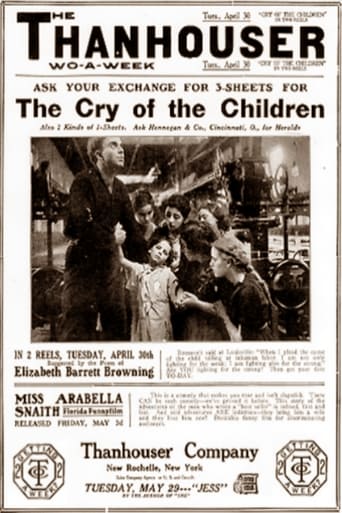
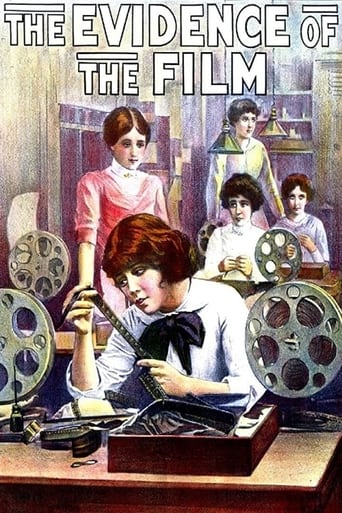
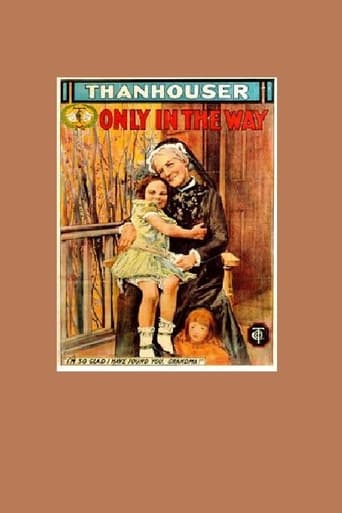
Marie Eline, known professionally as 'The Thanhouser Kid,' was one of America's first child film stars who rose to prominence during the silent era. Born in 1901, she was discovered by the Thanhouser Company at the age of eight and quickly became their most valuable juvenile performer, appearing in over 100 short films between 1910 and 1914. Her breakthrough came with emotionally demanding roles in films like 'The Cry of the Children' (1912), where she portrayed a child laborer with remarkable depth and sensitivity. Eline's performances were characterized by an uncanny naturalism that was rare among child actors of her time, often carrying entire films with her expressive face and authentic emotional range. She worked extensively with director James Kirkwood and frequently appeared alongside other Thanhouser stars like Florence Turner. Her career was remarkably brief but intensely productive, as she retired from acting entirely by age 13 to focus on her education. After leaving the film industry, she lived a private life away from the spotlight, occasionally participating in film history events in her later years before passing away in 1985 at age 84.
The Craft
On Screen
Marie Eline's acting style was remarkably naturalistic for her era, characterized by genuine emotional expression rather than the theatrical gestures common in early silent films. She possessed an innate ability to convey complex emotions through subtle facial expressions and body language, making her performances feel authentic and relatable. Her work in dramatic roles, particularly those involving child suffering or innocence, demonstrated a maturity beyond her years, allowing her to carry emotionally heavy narratives with credibility. Unlike many child actors of the period who relied on exaggerated mannerisms, Eline's approach was understated and realistic, setting a precedent for naturalistic child performances in cinema.
Milestones
- Discovered by Thanhouser Company at age 8 and became 'The Thanhouser Kid'
- Starred in over 100 films in just 4 years
- Breakthrough performance in 'The Cry of the Children' (1912)
- Became one of the first genuine child stars in American cinema
- Retired from acting at age 13 to pursue education
Best Known For
Iconic Roles
Must-See Films
Accolades
Special Recognition
- Recognized as one of the first child stars in American cinema
- Honored in film history retrospectives on early cinema
- Featured in Thanhouser Company historical documentaries
Working Relationships
Worked Often With
Studios
Why They Matter
Impact on Culture
Marie Eline's significance in cinema history extends far beyond her brief filmography, as she represented a crucial transition point in how child actors were perceived and utilized in American cinema. Her naturalistic acting style challenged the prevailing theatrical approach to performance, helping establish a new standard for authenticity in film acting that would influence subsequent generations of performers. As 'The Thanhouser Kid,' she became one of the first child stars to receive genuine star billing and audience recognition, paving the way for future child actors like Jackie Coogan and Shirley Temple. Her work in socially conscious films like 'The Cry of the Children' demonstrated cinema's potential as a medium for social commentary, particularly regarding child welfare issues. Eline's career also exemplified the studio system's ability to create and market star personalities, even for very young performers, establishing patterns that would define Hollywood's approach to child stardom for decades.
Lasting Legacy
Marie Eline's legacy endures primarily through her role as one of cinema's first authentic child stars and her contribution to the development of naturalistic acting techniques in silent film. Her performances, particularly in Thanhouser productions, are studied by film historians as examples of early cinema's evolution away from theatrical conventions toward cinematic realism. The preservation of her films has provided invaluable documentation of early 20th-century childhood and social conditions, while her career trajectory—from child stardom to complete retirement—offers insights into early Hollywood's treatment of young performers. Though largely forgotten by mainstream audiences, she remains a significant figure in film scholarship, representing both the possibilities and limitations faced by child actors in the silent era.
Who They Inspired
Marie Eline influenced subsequent generations of child actors by demonstrating that young performers could deliver sophisticated, emotionally nuanced performances without resorting to exaggerated theatrical techniques. Her naturalistic approach to acting prefigured the more realistic styles that would dominate cinema in later decades, showing that authenticity could be more powerful than theatricality on screen. Child actors who followed, from Jackie Coogan to the Baby Burlesks stars at Fox, benefited from the audience acceptance of child performers that Eline helped establish. Her work also influenced directors and studios to recognize the commercial and artistic potential of placing children in central dramatic roles rather than limiting them to comic relief or sentimental side characters.
Off Screen
After retiring from acting at age 13, Marie Eline completely withdrew from public life to focus on her education and later married. She maintained strict privacy regarding her post-acting years, rarely granting interviews or discussing her film career. She married and had children, living a conventional middle-class life far removed from her early fame. In her later years, she occasionally participated in film preservation events and silent film retrospectives, where she was celebrated as a pioneer of child acting. She spent her final years in Wisconsin, maintaining the privacy she had valued throughout her adult life until her death in 1985.
Education
Completed formal education after retiring from acting, attended local schools in Wisconsin
Family
- Harry A. Gantz (married 1922)
Did You Know?
- She was nicknamed 'The Thanhouser Kid' and was one of the first child stars in American cinema
- Appeared in over 100 films in just 4 years, an extraordinary productivity rate
- She was paid $5 per week when she started, eventually earning $25 weekly at her peak
- Her performance in 'The Cry of the Children' (1912) was considered so realistic that some viewers thought she was actually suffering
- She retired from acting completely at age 13, never returning to the film industry
- Thanhouser Company used her image extensively in their promotional materials
- She was discovered when her mother brought her to the Thanhouser studio hoping for work as an extra
- Her films were distributed internationally, making her known to audiences worldwide
- She was one of the few Thanhouser stars whose name appeared in advertising credits
- After retiring, she refused all requests for interviews about her film career for decades
In Their Own Words
I was just a little girl having fun. I didn't realize I was making history.
The camera was my friend, but growing up was my real adventure.
I never missed the movies. I was ready to be a regular kid again.
Frequently Asked Questions
Who was Marie Eline?
Screen credits include over 100 films between 1910 and 1914 for the Thanhouser Company.
What films is Marie Eline best known for?
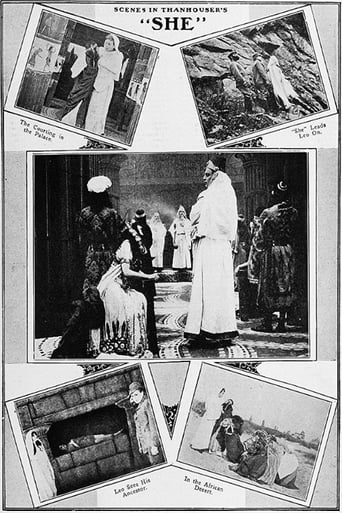
Titles linked here include The Cry of the Children (1912), She (1911).
When was Marie Eline born and when did she die?
Born February 27, 1901; died January 16, 1985.
What awards did Marie Eline win?
Marie Eline did not receive formal awards during her career, as the film award system had not yet been established in the early 1910s, though she was recognized as a significant figure in early cinema history.
What was Marie Eline's acting style?
Her acting style was notably naturalistic and authentic for her era, characterized by genuine emotional expression rather than theatrical gestures, making her performances feel remarkably realistic and emotionally compelling.