
Star of Bethlehem
"Star over Judea"
Keys: Space play/pause · ←/→ 10s · F fullscreen · M mute · </> speed
About this film
Three magi follow a star toward Bethlehem while Herod orders the slaughter of infants in this 1912 biblical pageant short. Nativity films were common in early cinema for church and educational exhibition.
Cast & crew
More films like this

More Drama films
View all →







More about this film
About the production
Release dateDecember 20, 1912
ProductionThanhouser Film Corporation
Filmed inNew Rochelle, New York
This was one of Thanhouser's more ambitious productions for 1912, featuring elaborate costumes and sets designed to recreate ancient Judea. The film utilized special effects techniques of the era to create the appearance of the Star of Bethlehem guiding the magi. The production involved multiple location shoots and required the construction of detailed period sets, which was unusual for the time given the film's relatively short length.
Themes
Faith and divine guidanceThe conflict between spiritual and worldly powerProphecy and destinyInnocence versus corruptionThe journey of spiritual seekers
Themes & topics
NativityThree Wise MenStar of BethlehemKing HerodBiblical storyJourneyProphecyInfanticideDivine interventionChristmas story
Historical background
Star of Bethlehem belongs to pre-feature religious tableaux marketed to moral exhibitors and Sunday-school screenings.
Why this film matters
As one of the early cinematic adaptations of the Nativity story, 'Star of Bethlehem' helped establish visual conventions for biblical filmmaking that would influence decades of religious cinema. The film demonstrated that silent cinema could effectively convey spiritual and emotional content without dialogue, relying on visual storytelling, expressive acting, and musical accompaniment. It contributed to the legitimization of film as a medium for serious religious and historical subjects, helping to move cinema away from its reputation as mere entertainment. The film's success also proved that audiences would respond positively to films with religious themes, encouraging other studios to produce similar content. Additionally, it represents an important artifact of early American cinema's engagement with biblical narratives, reflecting the cultural importance of religious stories in American society during the early 20th century.
Making of
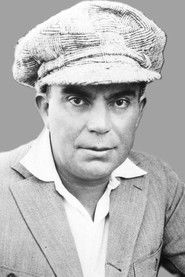
Director Lawrence Marston was a stage director before entering films, bringing theatrical sensibilities to this biblical production. The cast underwent extensive preparation for their roles, with the actors portraying the magi studying historical texts to understand their characters' motivations. The production design team consulted religious texts and historical references to create authentic-looking costumes and props. The film was shot during the summer of 1912 at Thanhouser's studio in New Rochelle, with exterior scenes filmed on specially constructed sets designed to resemble ancient Judea. The special effects team experimented with various techniques to create the illusion of the moving star, ultimately settling on a combination of painted glass and lighting effects that were considered quite sophisticated for the period.
What critics said
Studied as part of early biblical cinema rather than for individual artistry; survival varies by print.
Did you know?
- was released just in time for Christmas 1912, capitalizing on the holiday season and religious themes popular with audiences of the time.
- Thanhouser Film Corporation was known for producing high-quality films with moral and religious themes, and this was one of their prestige productions for 1912.
- The film's original title card featured elaborate calligraphy and artistic decoration typical of Thanhouser's attention to visual presentation.
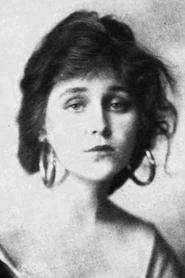
- Florence La Badie was one of Thanhouser's biggest stars at the time, and her appearance in this religious film helped cement her status as a leading lady of serious dramatic roles.
- The film was distributed internationally, with copies sent to Europe and other markets where biblical stories were popular with audiences.
- Special effects for the Star of Bethlehem were created using double exposure techniques and painted glass effects, which were innovative for 1912.
- The film was one of the first to attempt a realistic depiction of the Nativity story on screen, setting a precedent for future biblical epics.
- Thanhouser promoted the film as being 'filmed in the authentic style of the Holy Land' though it was actually shot in New York.
- The infant playing Jesus was reportedly the child of one of the studio employees, as was common practice in early cinema.
- The film's success led Thanhouser to produce more religious-themed films in subsequent years.
Visual style
The cinematography by Blair Smith utilized the relatively new technology of artificial lighting to create dramatic effects, particularly in the scenes showing the Star of Bethlehem. The film employed a mix of static camera shots and carefully composed tableaux vivants, which was typical of the period but executed with particular artistry here. The lighting design emphasized the contrast between darkness and light, symbolically representing the spiritual themes of the story. Close-ups were used sparingly but effectively, particularly for the infant Jesus and the reactions of the magi. The visual composition reflected the influence of religious paintings, with carefully staged groupings of characters creating images reminiscent of classical Nativity scenes.
Innovations
The film featured innovative special effects for its time, particularly in the creation of the moving Star of Bethlehem using multiple exposure techniques and painted glass effects. The production utilized sophisticated set design and construction techniques to create convincing ancient Judean settings, including detailed architectural elements and landscape features. The costume department demonstrated advanced craftsmanship in creating period-appropriate attire for the numerous characters. The film's editing, while basic by modern standards, showed careful attention to narrative pacing and dramatic emphasis. The lighting design employed emerging artificial lighting technology to create mood and highlight key story elements, representing an early example of cinematographic artistry in religious filmmaking.
Music
As a silent film, 'Star of Bethlehem' would have been accompanied by live musical performance during theatrical exhibitions. The original score suggestions likely included classical pieces appropriate to the religious subject matter, possibly including works by composers like Handel or traditional Christmas carols. The musical accompaniment would have varied by theater, with larger venues employing full orchestras while smaller houses used piano or organ. The music would have been synchronized with the on-screen action, with particular emphasis on dramatic moments like the appearance of the star and Herod's decree. Some theaters may have used specially composed cue sheets provided by Thanhouser to ensure consistent musical interpretation across different venues.
Famous quotes
'We have seen his star in the East, and have come to worship him.' - The Magi
'Go and search diligently for the young child, and when ye have found him, bring me word.' - King Herod
Memorable scenes
- The dramatic appearance of the Star of Bethlehem illuminating the night sky, achieved through innovative special effects techniques that were impressive for 1912. The scene shows the magi looking up in wonder as the celestial manifestation guides their journey, creating a powerful visual representation of divine intervention that would become a standard element in subsequent Nativity films.
What audiences thought
The film was reportedly well-received by audiences upon its Christmas 1912 release, particularly in areas with strong religious communities. Theater owners reported good attendance, especially for special Christmas week screenings. The film's family-friendly subject matter made it popular with church groups and community organizations that were sometimes hesitant about showing motion pictures. Many theaters promoted the film as suitable for all ages, which helped attract family audiences. The film's success at the box office encouraged Thanhouser to continue producing films with religious and moral themes throughout the 1910s.
Film connections
Influenced by
- Biblical Gospel accounts
- Traditional Nativity plays
- Classical religious paintings
- Earlier biblical films like 'The Life of Moses' (1909)
- Stage melodramas of the period
This film influenced
- Later Thanhouser religious productions
- Other silent biblical epics of the 1910s
- Cecil B. DeMille's early biblical films
- The trend of Christmas-themed films in the silent era
Film restoration
The film is partially preserved with some scenes missing. Fragments and clips survive in film archives, including the Library of Congress and the Thanhouser collection. The surviving portions have been restored and digitized by film preservationists, allowing modern audiences to experience this important early religious film, though the complete original version is considered lost.
Where to watch
- Available on DVD in collections of early Thanhouser films
- Streaming on some classic film archive websites
- Screenings at film museums and silent film festivals
- Available through academic film libraries and archives