Films
2 films
About Harry Marks
American actor who worked during the early silent film era, appearing in a small number of productions between 1912 and 1915. His known filmography includes roles in 'Star of Bethlehem' (1912), a religious film that was part of the early wave of faith-based cinema, and 'Alice in Wonderland' (1915), one of the earliest film adaptations of Lewis Carroll's beloved novel. Like many actors of this period, Marks was part of the transitional generation of performers who moved from stage to the new medium of cinema. His career appears to have been brief, spanning only a few years during which silent films were still establishing themselves as a major art form. The limited documentation of his work reflects the challenges of preserving complete records from cinema's earliest decades, when many performers appeared in films that are now lost or poorly documented.
The Craft
Milestones
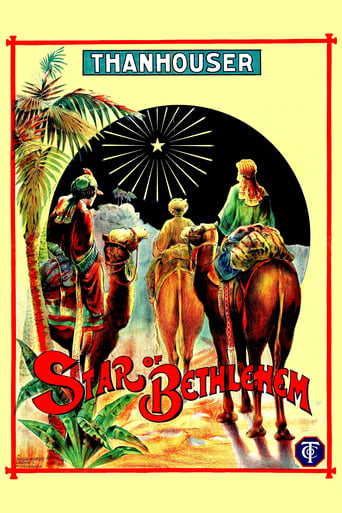
- Appeared in Star of Bethlehem (1912)
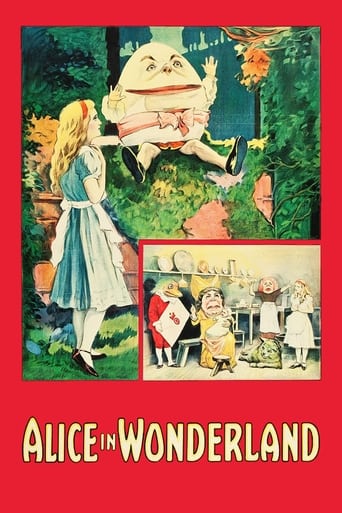
- Starred in Alice in Wonderland (1915)
- Worked during the formative years of American cinema
Best Known For
Iconic Roles
Must-See Films
Why They Matter
Impact on Culture
Harry Marks represents the countless anonymous actors who contributed to the development of early American cinema during its formative years. While his individual impact may be difficult to trace, actors like him were essential to the growth of the film industry, helping establish the conventions of screen acting that would influence generations of performers. His participation in early adaptations of literary works and religious films demonstrates the diverse genres being explored in cinema's first decade.
Lasting Legacy
Harry Marks' legacy is primarily as a representative example of the many early film actors whose contributions have been largely lost to time. His work in films like 'Alice in Wonderland' (1915) places him among the pioneers who helped bring classic literature to the silver screen, establishing a tradition of literary adaptation that continues in cinema today. The scarcity of information about him underscores the historical challenges of documenting the careers of early film performers.
Who They Inspired
Due to the limited documentation of his career and the brevity of his filmography, it's difficult to trace Harry Marks' specific influence on other performers. However, like all actors working during this period, he contributed to the development of screen acting techniques that would evolve and be refined by subsequent generations of film actors.
Off Screen
Very little is documented about Harry Marks' personal life, which was common for many supporting actors in the early silent film era. The lack of biographical information reflects the limited media coverage and record-keeping for film performers during cinema's earliest decades.
Did You Know?
- Harry Marks was active during the very early years of American feature films
- He appeared in one of the earliest film adaptations of 'Alice in Wonderland'
- His active years covered only three years, typical for many early silent film actors
- The 1915 'Alice in Wonderland' he appeared in is now considered a lost film
- Early silent actors like Marks often performed in multiple genres, from religious films to literary adaptations
- The lack of biographical information about Marks reflects the limited record-keeping for early film performers
- His career coincided with the transition from short films to feature-length motion pictures
Frequently Asked Questions
Who was Harry Marks?
American silent film with credits in this catalog. He was one of many actors who contributed to cinema's formative years but left little biographical trace.
What films is Harry Marks best known for?
Titles linked here include Star of Bethlehem (1912), Alice in Wonderland (1915).
When was Harry Marks born and when did he die?
Unfortunately, specific birth and death dates for Harry Marks are not documented in available historical records, which is common for many actors who worked in cinema's earliest decades.
What awards did Harry Marks win?
Harry Marks did not receive any documented awards or major recognition during his brief career, as the major award systems for film, including the Academy Awards, were established after his period of activity.
What was Harry Marks' acting style?
While specific details about Harry Marks' acting style are not documented, actors of his era typically used the exaggerated gestures and expressions common to stage acting, as the techniques specific to film performance were still being developed during the early 1910s.