
Films
3 films
About Riley Chamberlin
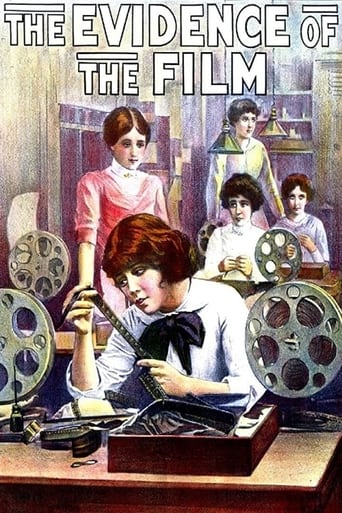
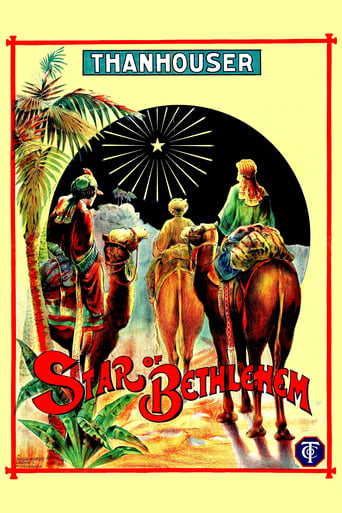
American actor who worked during the days of silent cinema, appearing in films during the early 1910s when the motion picture industry was still in its infancy. His brief but notable the years 1912-1913, a period when films were typically short one-reel productions and actors often remained uncredited. Chamberlin appeared in 'The Evidence of the Film' (1913), one of the earliest examples of a film-within-a-film narrative that has since been recognized for its historical significance in cinema history. He also starred in 'Star of Bethlehem' (1912), a religious-themed production typical of the moralistic content favored by early filmmakers. Like many actors of his era, Chamberlin's career was likely cut short by the rapid evolution of the film industry and the emergence of the studio system that would dominate Hollywood in subsequent decades. His work represents the transitional period between cinema's novelty stage and its development as a serious art form.
The Craft
Milestones
- Appeared in 'The Evidence of the Film' (1913), now recognized as an historically significant early American film
- Starred in 'Star of Bethlehem' (1912) during the early silent film era
- Worked during the transitional period of American cinema's development
Best Known For
Must-See Films
Why They Matter
Impact on Culture
Riley Chamberlin's contributions to cinema, while modest in scale, represent the foundational period of American film history. His appearance in 'The Evidence of the Film' (1913) connects him to one of the earliest meta-narrative films in cinema history, a work that has been preserved by the National Film Registry for its cultural significance. As an actor working during cinema's transition from novelty to art form, Chamberlin was part of the generation of performers who helped establish the visual language and storytelling techniques that would define motion pictures for decades to come.
Lasting Legacy
Riley Chamberlin's legacy is primarily preserved through his surviving film work, particularly 'The Evidence of the Film,' which serves as an important artifact of early American cinema. While he did not achieve the lasting fame of contemporaries who successfully transitioned to the studio era, his contributions are valued by film historians and preservationists for providing insight into the early days of filmmaking. His work exemplifies the experimental spirit of pre-Hollywood cinema and the diverse range of stories being told during film's first decade as a popular medium.
Who They Inspired
As an actor from the very early silent era, Riley Chamberlin's direct influence on subsequent performers is difficult to trace, given the limited documentation of his career and methods. However, his participation in innovative early films like 'The Evidence of the Film' contributed to the development of cinematic storytelling techniques that would influence generations of filmmakers. The work of actors like Chamberlin helped establish the foundation for the acting styles and film production methods that would evolve throughout the silent era and into the golden age of Hollywood.
Off Screen
Very little is known about Riley Chamberlin's personal life, which was typical of many early film actors whose biographical details were not systematically preserved. Like many performers from this era, he likely came from a theatrical or vaudeville background before transitioning to the new medium of motion pictures. The sparse documentation of his life reflects the transient nature of early cinema careers and the lack of comprehensive record-keeping during film's formative years.
Did You Know?
- Appeared in 'The Evidence of the Film' (1913), which was selected for preservation in the United States National Film Registry in 2001
- His entire known filmography consists of only two films from 1912-1913
- Worked during the era when most American films were produced in New York and New Jersey, before Hollywood became the industry center
- Like many early film actors, he likely came from a theatrical background
- His films were produced during the period when feature-length films were still rare and most movies were one-reel shorts
- The films he appeared in were made before the establishment of the studio system that would dominate Hollywood
- His active years covered the period when film actors were not yet the celebrities they would become in the 1920s
- Both of his known films have survived and are accessible to modern audiences
- Worked in an era when film acting was still developing its own distinct techniques separate from stage acting
Frequently Asked Questions
Who was Riley Chamberlin?
American with credits in this catalog. He is known for his roles in 'Star of Bethlehem' (1912) and 'The Evidence of the Film' (1913), representing the days of American cinema.
What films is Riley Chamberlin best known for?
Titles linked here include The Evidence of the Film (1913), Star of Bethlehem (1912).
When was Riley Chamberlin born and when did he die?
Unfortunately, specific birth and death dates for Riley Chamberlin are not documented in historical records, which is common for many actors from the very early silent era whose biographical details were not systematically preserved.
What awards did Riley Chamberlin win?
Riley Chamberlin did not receive any personal awards during his lifetime, as the Academy Awards and other major film honors were not established until after his active period. However, 'The Evidence of the Film' was later selected for preservation in the National Film Registry in 2001.
What was Riley Chamberlin's acting style?
Specific details about Chamberlin's acting style are not well-documented, but like most actors of the early 1910s, he likely employed techniques that were transitional between stage acting and the more subtle methods that would later develop specifically for film performance.
Why is Riley Chamberlin significant in film history?
Chamberlin is significant primarily for his participation in 'The Evidence of the Film' (1913), an innovative early film that experimented with meta-narrative and has been preserved as an important artifact of American cinema's developmental period.