

Petticoat Camp
"Several married couples go on a camp-out together"
Keys: Space play/pause · ←/→ 10s · F fullscreen · M mute · </> speed
About this film
Several married couples go on a camp-out together, but the women soon realize that the men expect them to do all the dirty work.
Cast & crew
More Comedy films
View all →






More about this film
About the production
Release dateSeptember 1912
ProductionThanhouser Film Corporation
Filmed inNew Rochelle, New York (likely Thanhouser studio grounds)
This film was produced during Thanhouser's peak creative period when they were releasing multiple films per week. The camping scenes were likely filmed on the studio's backlot or nearby locations, as was common practice for early film productions. The film was shot on 35mm black and white film stock, typical of the era, and would have been released as a single-reel short running approximately 10-12 minutes.
Themes
Gender roles and expectationsMarital relationshipsWomen's independenceDomestic labor divisionRebellion against traditional norms
Themes & topics
campingmarriagecomedygender rolesrebelliondomestic lifeoutdoor adventurehusband and wifesocial commentary
Historical background
Silent-era production in 1912 relied on intertitles, live accompaniment, and studio systems that were rapidly consolidating into national industries.
Why this film matters
Early works like Petticoat Camp help map how filmmakers, exhibitors, and viewers developed the visual language of cinema during the medium's first decades. Later revivals, archive screenings, and digitization have kept such titles accessible to researchers and dedicated viewers long after their first commercial runs.
Making of
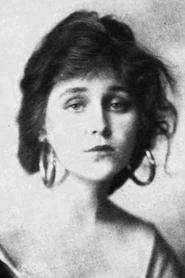
The production of 'Petticoat Camp' took place during a transformative period for the Thanhouser Film Corporation, which had recently moved to a new, more spacious studio facility in New Rochelle, New York. This move allowed for more elaborate outdoor productions, including camping scenes that would have been difficult to stage in their previous cramped quarters. The film was likely shot over just one or two days, as was typical for one-reel shorts of this era. Florence La Badie, who had become Thanhouser's leading lady by 1912, would have been heavily involved in the film's development, as stars of her stature often contributed to story development. The camping equipment and props were likely brought in specifically for the production, as Thanhouser was known for their attention to realistic details. The film's comedic timing would have been crucial in the editing process, as silent comedy relied heavily on physical gags and visual humor rather than dialogue.
What critics said
Trade and newspaper reviews from the silent period for Petticoat Camp survive only in fragments, making precise reception history difficult to reconstruct. Modern assessment tends to emphasize historical value, craft, and cultural context rather than box-office performance.
Did you know?
- Florence La Badie was one of Thanhouser's biggest stars in 1912, earning $50 per week - a substantial salary for the time
- The film was released during the height of the 'suffrage' movement, making its theme of women's rebellion particularly timely
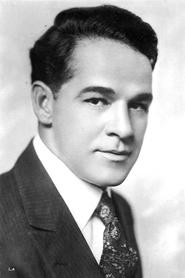
- William Russell would later become a major star in Western films, but in 1912 was still building his career
- Thanhouser was one of the few early film studios to give women prominent roles and screen time
- The film's title 'Petticoat Camp' was a play on words, referencing both women's undergarments and the traditional gender roles being challenged
- This film was part of Thanhouser's popular 'domestic comedy' series that explored marital relationships
- The film was likely directed by Lucius J. Henderson or Barry O'Neil, though records are incomplete for many Thanhouser shorts
- 1912 was the year Thanhouser moved to their new studio facility, allowing for more elaborate outdoor scenes like camping
- The film survives today in the Thanhouser collection preserved at the Library of Congress
- Early film advertisements for this movie emphasized its 'laugh-provoking' nature and 'realistic outdoor scenes'
Visual style
The cinematography for 'Petticoat Camp' was typical of Thanhouser productions in 1912 - clean, well-composed shots that prioritized clarity and storytelling over artistic flourishes. The film would have been shot outdoors using natural light, a common practice before the widespread use of artificial lighting. The camera work would have been stationary, as moving cameras were not yet in common use. The outdoor camping scenes allowed for more dynamic compositions than interior sets, with the natural landscape providing visual interest. Thanhouser was known for their technical competence, and this film would have featured clear images that allowed viewers to follow the physical comedy and character interactions easily.
Innovations
While 'Petticoat Camp' was not groundbreaking technically, it demonstrated Thanhouser's commitment to quality production values. The film would have been shot on 35mm film at approximately 16 frames per second, standard for the period. The outdoor scenes represented a technical challenge, requiring careful planning to ensure proper lighting and continuity. Thanhouser was known for their efficient production methods, and this film would have benefited from the studio's streamlined workflow. The film's survival in archive collections speaks to the quality of the original film stock and the care taken in its preservation.
Music
As a silent film, 'Petticoat Camp' would have been accompanied by live music during theatrical screenings. The exact musical score is not documented, but typical accompaniment for a comedy short of this period would have included popular songs of the era, classical pieces, and improvised piano music. The music would have been synchronized with the on-screen action, with upbeat, playful melodies during comedic moments and more romantic themes for the reconciliation scenes. Large theaters might have employed small orchestras, while smaller venues would have used a single pianist or organist. The music was crucial in conveying mood and emotion in the absence of dialogue.
Famous quotes
If you think we're going to do all the work while you sit around, you've got another think coming!" - Florence La Badie's character
Camping is supposed to be fun for everyone, not just the men!" - One of the wives
Memorable scenes
- The opening scene where the couples arrive at the campsite with high expectations of a romantic getaway, only to have the men immediately retreat to relax while the women face the mountain of work. The pivotal moment when Florence La Badie's character rallies the other wives to refuse doing all the chores, leading to a series of comedic attempts by the men to handle domestic tasks they've never done before. The final reconciliation scene where the couples agree to share all camping responsibilities equally, presented as a moral lesson about partnership in marriage.
What audiences thought
Audiences in 1912 reportedly enjoyed 'Petticoat Camp' for its relatable domestic humor and the appealing performances of its stars. The film's theme of marital discord and reconciliation struck a chord with viewers, many of whom would have been familiar with similar dynamics in their own relationships. Thanhouser films were popular among middle-class audiences who appreciated the studio's focus on family-oriented content and moral themes. The camping setting would have been particularly engaging to urban audiences who may have dreamed of outdoor adventures. While specific box office figures for individual shorts are not available from this period, Thanhouser's overall success suggests that films like 'Petticoat Camp' were well-received and profitable.
Film connections
Influenced by
- Earlier domestic comedies from Biograph and Edison studios
- Stage comedies about marital relations
- Contemporary women's suffrage movement literature
This film influenced
- Later Thanhouser domestic comedies
- 1920s marital comedy shorts
- Early sound films about camping and outdoor life
Film restoration
Preserved - The film survives in the Thanhouser collection at the Library of Congress and has been made available through various film archives and educational institutions. While not widely distributed commercially, it has been included in compilations of early cinema and Thanhouser productions.
Where to watch
- Library of Congress digital collections
- Thanhouser Company Film Preservation archives
- Selected film festivals specializing in silent cinema
- Educational institutions with early film collections
- Some online platforms specializing in public domain films