
William Garwood
Actor
Born: April 28, 1884 in Springfield, Missouri, USA Died: December 28, 1951 Active: 1909-1913 Birth Name: William Davis Garwood Jr.
Films
5 films
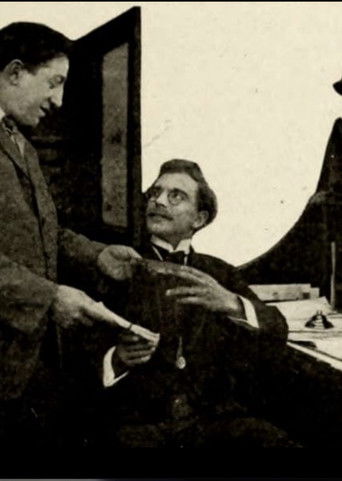
About William Garwood
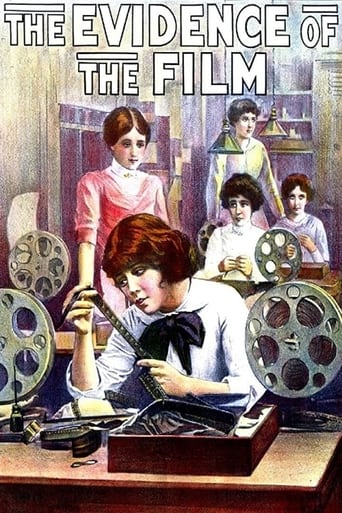
American actor who rose to prominence during the dawn of cinema, becoming one of the first leading men of the silent film era. Beginning his career in 1909 with Thanhouser Company, one of America's earliest film studios, Garwood quickly established himself as a versatile performer capable of handling both dramatic and comedic roles. His most notable work includes 'The Evidence of the Film' (1913), which is now considered historically significant as one of the earliest examples of meta-cinema, depicting the film industry itself. Garwood's career, though brief, spanned the crucial transitional period when cinema evolved from simple novelty acts to sophisticated storytelling. He worked extensively with leading actresses of the day, including Florence La Badie and Marguerite Snow, becoming part of Thanhouser's elite ensemble cast. By 1913, at the height of his popularity, Garwood mysteriously vanished from the film industry, with no definitive explanation for his abrupt departure. His disappearance remains one of early Hollywood's enduring mysteries, though some sources suggest he may have returned to stage work or pursued other professional interests.
The Craft
On Screen
Garwood embodied the theatrical acting style typical of the early silent era, characterized by exaggerated gestures and dramatic facial expressions necessary to convey emotion without dialogue. His performances blended the melodramatic techniques of stage acting with the emerging subtleties required for film, creating a distinctive screen presence that resonated with early cinema audiences. He was particularly noted for his ability to portray romantic leads with a natural charm that translated well to the camera, despite the technical limitations of the period.
Milestones
- Starred in Thanhouser Company's early productions
- Leading role in 'The Evidence of the Film' (1913)
- Became one of the first romantic leading men in American cinema
- Worked with director Barry O'Neil
- Appeared in over 50 films during his brief career
Best Known For
Iconic Roles
Must-See Films
Accolades
Special Recognition
- Recognized as an actor in early American cinema
Working Relationships
Worked Often With
Studios
Why They Matter
Impact on Culture
William Garwood represents an important transitional figure in American cinema history, embodying the shift from stage-bound theatricality to film-specific performance techniques. His work with Thanhouser Company helped establish the template for the American leading man, influencing how romantic heroes would be portrayed throughout the silent era. The preservation of films like 'The Evidence of the Film' ensures that Garwood's contributions to early cinema continue to be studied by film historians and scholars interested in the evolution of acting techniques. His disappearance from the industry also highlights the precarious nature of early film careers and the many talents lost to history due to inadequate documentation.
Lasting Legacy
Despite his brief career, William Garwood's legacy endures through the surviving Thanhouser films that continue to be screened at film festivals and studied in cinema history courses. He is remembered as one of the first American actors to achieve star status in the new medium of motion pictures, paving the way for future generations of film actors. His work serves as a valuable resource for understanding the development of screen acting during cinema's formative years. The mystery surrounding his disappearance has also made him a subject of fascination for film historians and early cinema enthusiasts.
Who They Inspired
Garwood's naturalistic approach to romantic roles, while still incorporating theatrical elements, influenced subsequent silent film actors who sought to balance stage techniques with the intimacy of film performance. His collaborations with Thanhouser helped establish the studio system's approach to developing star personalities and typecasting actors for specific roles. The technical innovations in films he appeared in, particularly 'The Evidence of the Film,' demonstrated the possibilities of cinematic storytelling that would influence future filmmakers.
Off Screen
William Garwood was born into a family with theatrical connections, which likely influenced his career choice in entertainment. Details about his personal life remain scarce due to the limited documentation of early film personalities and his early retirement from cinema. After leaving the film industry in 1913, he largely disappeared from public records, though census data suggests he may have worked in other business ventures. He eventually settled in California where he spent his later years away from the entertainment industry.
Education
Limited formal education; likely received theatrical training through apprenticeships in stage productions
Family
- Mabel Van Buren (1911-1914)
Did You Know?
- Was one of the first actors to receive star billing in American films
- His film 'The Evidence of the Film' was selected for preservation in the National Film Registry in 2001
- Disappeared from the film industry at the height of his popularity in 1913
- Worked for Thanhouser Company during their most productive period (1910-1912)
- His exact reasons for leaving cinema remain unknown to this day
- Appeared in more films than many of his contemporaries despite his short career
- Was married to actress Mabel Van Buren, who also worked for Thanhouser
- Some of his films are considered lost, a common fate for early cinema productions
- His acting style represented the transition from stage to screen performance techniques
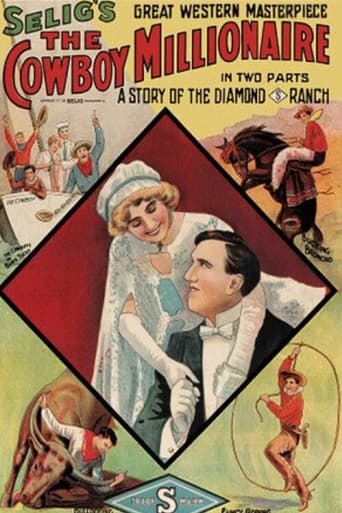
- The Cowboy Millionaire was one of his earliest surviving film appearances
In Their Own Words
The motion picture camera demands a different kind of truth than the stage - one that speaks directly to the soul through the eyes
In this new art form, we are not merely performers, but pioneers exploring uncharted territory of human expression
Frequently Asked Questions
Who was William Garwood?
American silent film with credits in this catalog. He was one of the first romantic leading men in American cinema and appeared in numerous films between 1909 and 1913 before mysteriously disappearing from the film industry.
What films is William Garwood best known for?
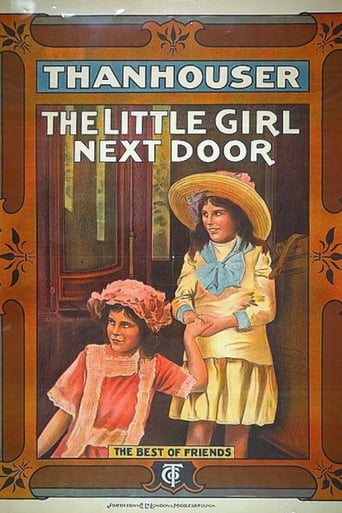
Titles linked here include The Evidence of the Film (1913), The Little Girl Next Door (1912).
When was William Garwood born and when did he die?
Born April 28, 1884; died December 28, 1951.
What awards did William Garwood win?
William Garwood did not receive formal awards during his career, as the film industry's award system had not yet been established during his active years. However, his film 'The Evidence of the Film' was later selected for preservation in the National Film Registry in 2001, recognizing its historical significance.
What was William Garwood's acting style?
Garwood's acting style represented the transition from theatrical stage performance to film-specific techniques. He employed the exaggerated gestures and dramatic expressions typical of early silent cinema while bringing a natural charm to romantic leading roles that helped establish the template for film acting in the emerging medium.