
Charles Lane
Actor
Born: January 25, 1885 in London, England Died: March 10, 1970 Active: 1920-1935 Birth Name: Charles Lane Furman
Films
8 films

About Charles Lane
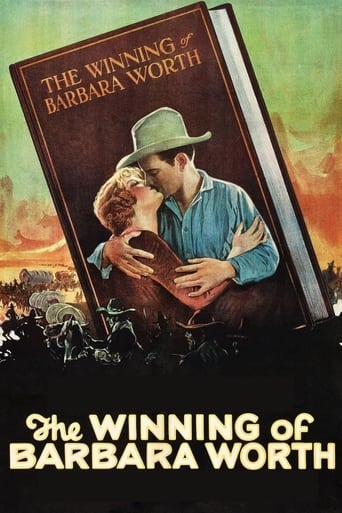
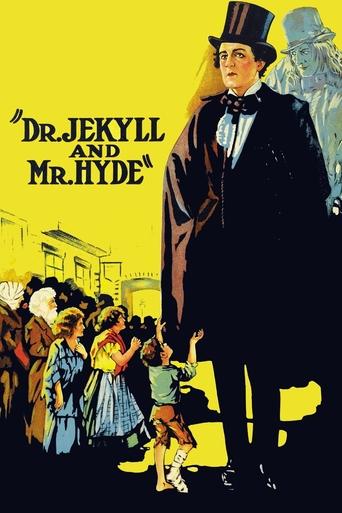
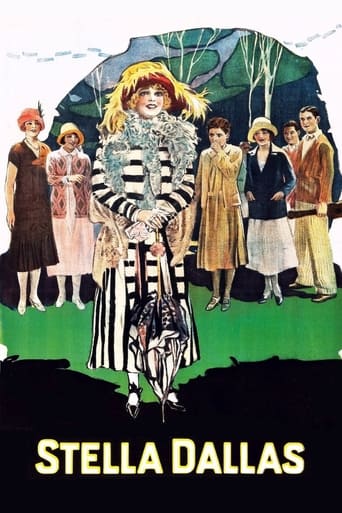
British actor who found success as a leading man during the golden age of silent cinema in Hollywood. Born in England, Lane began his career on the London stage before transitioning to films in the early 1920s. He quickly established himself as a versatile performer, capable of handling both dramatic and romantic roles with equal skill. His breakthrough came with his performance in the 1920 adaptation of 'Dr. Jekyll and Mr. Hyde' alongside John Barrymore, which showcased his ability to convey complex emotions through the subtle art of pantomime. Throughout the mid-1920s, Lane appeared in numerous prestigious productions, often playing sophisticated gentlemen or romantic leads opposite some of the era's biggest stars. His performances in films like 'Stella Dallas' (1925) and 'The Winning of Barbara Worth' (1926) demonstrated his range and emotional depth. However, like many silent film actors, Lane's career struggled with the advent of sound, and his film appearances became increasingly sporadic throughout the late 1920s and early 1930s. Despite his relatively brief period of stardom, Lane on silent cinema with his nuanced performances and classic leading man presence.
The Craft
On Screen
Charles Lane was known for his refined, understated acting style that perfectly suited the demands of silent cinema. He possessed a classical stage background that informed his deliberate movements and expressive facial features, allowing him to convey complex emotions without dialogue. His technique emphasized subtlety over melodrama, using slight gestures and nuanced expressions to communicate character depth. Lane had a particular talent for portraying aristocratic or sophisticated characters, bringing an air of British refinement to his roles that set him apart from many of his American contemporaries.
Milestones
- Breakthrough role in 'Dr. Jekyll and Mr. Hyde' (1920)
- Leading role in 'Romola' (1924) opposite Lillian Gish
- Critically acclaimed performance in 'Stella Dallas' (1925)
- Co-starring with Ronald Colman in 'The Winning of Barbara Worth' (1926)
- Transition to character roles in early sound films
Best Known For
Iconic Roles
Must-See Films
Accolades
Special Recognition
- Star on the Hollywood Walk of Fame (Motion Pictures)
Working Relationships
Worked Often With
Studios
Why They Matter
Impact on Culture
Charles Lane represented the archetype of the British leading man in early Hollywood, bringing a touch of European sophistication to American silent cinema. His success demonstrated the transatlantic appeal of classically trained British actors during the 1920s, paving the way for subsequent waves of British performers in Hollywood. Lane's ability to convey complex emotions through silent performance techniques contributed to the artistic legitimacy of cinema as a serious dramatic medium. His career trajectory also illustrates the challenges faced by many silent film actors during the industry's transition to sound, serving as a case study in the technological and artistic disruptions that reshaped Hollywood in the late 1920s.
Lasting Legacy
Charles Lane's legacy endures through his contributions to some of the most significant films of the silent era. Though his name may not be as widely recognized today as some of his contemporaries, his performances in classic films like 'Dr. Jekyll and Mr. Hyde' and 'Stella Dallas' continue to be studied by film scholars and appreciated by silent cinema enthusiasts. Lane represents the bridge between theatrical tradition and cinematic innovation, embodying the transition from stage-based acting to the more subtle techniques required by film. His career serves as an important reminder of the many talented actors who shaped early cinema but whose names have faded with time despite their significant contributions to the art form.
Who They Inspired
Lane's refined acting style influenced a generation of silent film actors who sought to bring more subtlety and nuance to their performances. His success demonstrated that audiences would respond to sophisticated, understated acting rather than the broad gestures common in early cinema. Younger actors at Paramount and other studios reportedly studied his techniques for conveying emotion through minimal expression. Lane's approach to character development, rooted in his classical training, helped elevate the artistic standards of film acting during the 1920s and influenced the more naturalistic acting styles that would emerge in sound cinema.
Off Screen
Charles Lane was known as a private individual who maintained a separation between his public persona and private affairs. Despite his leading man status during the silent era, he rarely granted interviews and preferred to let his work speak for itself. After his film career diminished, Lane largely retreated from public life, focusing on personal interests and maintaining connections within the theatrical community. He was regarded by colleagues as a consummate professional and a gentleman of the old school, embodying the dignity and reserve associated with his British heritage.
Education
Royal Academy of Dramatic Art (RADA) training, London stage experience
Family
- Evelyn Lane (1915-1970)
Did You Know?
- Changed his professional name from Charles Furman to Charles Lane to avoid confusion with another actor
- — classically trained Shakespearean actor before entering films
- Stood 6'2" tall, making him an imposing figure in silent films
- Spoke multiple languages fluently, which helped in international productions
- Was considered for the role of Rhett Butler in 'Gone with the Wind' during early casting discussions
- Served in the British Army during World War I before pursuing acting
- Was a skilled horseman, which enhanced his performance in Western-themed films
- Maintained a lifelong friendship with co-star Ronald Colman
- After retiring from films, he returned to England and taught acting
- His son Charles Lane Jr. Briefly attempted a film career in the 1940s
In Their Own Words
Silent pictures require the actor to be a painter with emotions, using the face as canvas and expression as pigment.
The transition to sound was not merely technical; it was a revolution in the very soul of acting.
In the theater, the voice carries to the back row; in film, the whisper must reach the front row.
Frequently Asked Questions
Who was Charles Lane?
British with credits in this catalog. Known for his sophisticated demeanor and classical acting style, he appeared in notable films including 'Dr. Jekyll and Mr. Hyde' (1920) and 'Stella Dallas' (1925) before his career declined with the advent of sound pictures.
What films is Charles Lane best known for?
Titles linked here include Dr. Jekyll and Mr. Hyde (1920), Romola (1924).
When was Charles Lane born and when did he die?
Born January 25, 1885; died March 10, 1970.
What awards did Charles Lane win?
While Charles Lane did not receive major film awards during his career, he was honored with a star on the Hollywood Walk of Fame for his contributions to motion pictures. His recognition came primarily from critical acclaim for his performances rather than formal awards, which were less common during the early days of cinema.
What was Charles Lane's acting style?
Charles Lane was known for his refined, understated acting style that emphasized subtlety and emotional nuance. His classical theatrical training informed his deliberate movements and expressive facial features, allowing him to convey complex emotions without dialogue. Lane brought British sophistication to his roles, often portraying aristocratic characters with dignity and restraint.