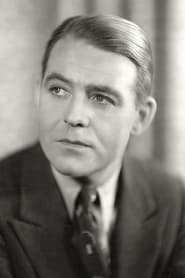
Robert Ames
Actor
Born: March 23, 1889 in Hartford, Connecticut, USA Died: November 27, 1931 Active: 1915-1931
Films
5 films

About Robert Ames
American stage actor who successfully transitioned to films during the early sound era, bringing with him a refined theatrical presence that resonated well with audiences. Born into a prominent Hartford family, Ames began his career on Broadway in the 1910s, establishing himself as a leading man with a sophisticated demeanor and commanding voice. His stage success included productions like 'The Great God Brown' and 'What Price Glory?', which showcased his versatility and dramatic range. In 1930, as Hollywood embraced talking pictures, Ames made the leap to films, signing with Paramount Pictures where his polished stage training proved invaluable in the new medium. His film career, though tragically brief, included leading roles in several notable early talkies, where he often portrayed sophisticated, urbane characters with emotional depth. Ames's promising film trajectory was cut short when he died suddenly of a heart attack at age 42, just as he was establishing himself as a prominent leading man in Hollywood. His death shocked the entertainment industry, as he was at the peak of his career with numerous film projects in development, leaving behind a legacy as one of the stage's most successful transitions to early cinema.
The Craft
On Screen
Robert Ames was known for his sophisticated, polished acting style that seamlessly transitioned from the Broadway stage to the silver screen. His theatrical training gave him exceptional diction and vocal projection, making him ideally suited for early talkies when many silent actors struggled with sound. Ames brought a natural, understated quality to his performances, avoiding the exaggerated gestures common in silent films while maintaining the emotional intensity required for dramatic roles. His screen presence was characterized by a commanding yet subtle approach, with an ability to convey complex emotions through nuanced facial expressions and controlled vocal delivery. Contemporary critics praised his ability to make dialogue sound natural and spontaneous, a rare skill among actors adapting from stage to screen during this transitional period in cinema history.
Milestones
- Broadway debut in 'The Little Brother' (1915)
- Starred in 'What Price Glory?' on Broadway (1924-1925)
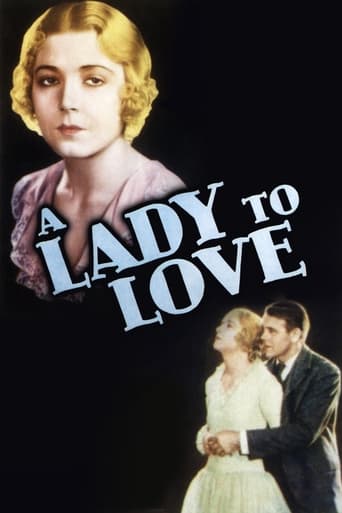
- Film debut in 'A Lady to Love' (1930)
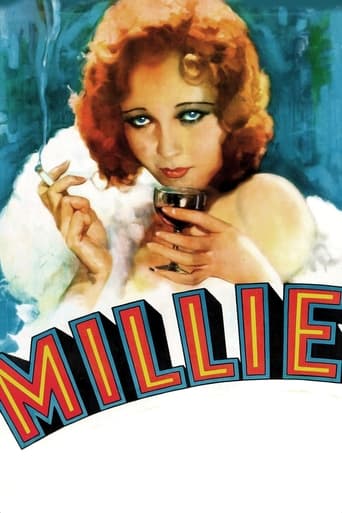
- Leading role in 'Millie' (1931)
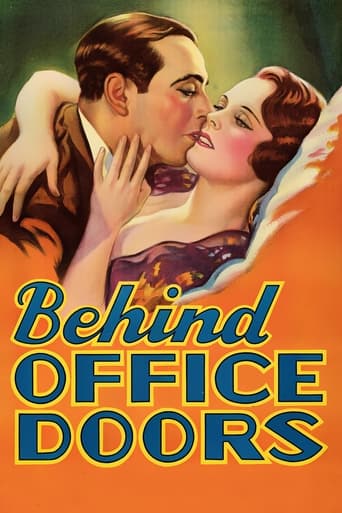
- Final film 'Behind Office Doors' (1931)
Best Known For
Iconic Roles
Must-See Films
Accolades
Special Recognition
- Broadway Walk of Fame recognition for stage contributions
Working Relationships
Worked Often With
Studios
Why They Matter
Impact on Culture
Robert Ames represented the successful transition of legitimate stage actors to the new medium of sound cinema, helping establish standards for acting in early talkies. His sophisticated approach to film acting demonstrated that theatrical training could enhance rather than hinder screen performances, influencing how studios cast their early sound productions. Ames's ability to deliver dialogue naturally and convincingly helped pave the way for more realistic acting styles in Hollywood, moving away from the theatrical excesses of early sound films. His brief but impactful career illustrated both the opportunities and challenges facing stage actors during this pivotal moment in cinema history, when the industry was rapidly evolving to accommodate new technologies and audience expectations.
Lasting Legacy
Robert Ames's legacy lies primarily in his role as a bridge between Broadway's golden age and Hollywood's sound era, representing the successful synthesis of stage and screen acting techniques. Though his film active years covered only two years, his performances in early talkies are studied by film historians as examples of sophisticated acting during cinema's transitional period. Ames is remembered for helping establish that legitimate stage actors could bring depth and nuance to film performances, challenging the notion that screen acting required entirely different skills than theatrical performance. His untimely death at the height of his promise has made him something of a tragic figure in Hollywood history, with many speculating about the heights he might have reached had he lived longer. Contemporary theater and film institutions occasionally reference Ames when discussing the evolution of acting techniques across different media.
Who They Inspired
Robert Ames influenced subsequent generations of actors by demonstrating that theatrical training could be an asset rather than a liability in film acting. His naturalistic approach to dialogue delivery helped establish new standards for sound acting, encouraging studios to seek actors with strong stage backgrounds for their talking pictures. Ames's work showed that emotional truth and subtlety could translate effectively to the screen, influencing the movement toward more realistic acting styles in 1930s cinema. His successful transition from Broadway to Hollywood inspired other stage actors to pursue film careers, helping to elevate the overall quality of acting in early sound films. Film scholars and acting teachers still reference Ames's performances when discussing the evolution of American acting styles from theatrical to cinematic techniques.
Off Screen
Robert Ames came from a Hartford family and maintained a relatively private personal life despite his public career. He married actress Barbara Weeks in 1931, just months before his untimely death, and the couple had no children. Ames was known in theatrical circles for his professionalism and dedication to his craft, often spending hours perfecting his roles. He was also noted for his intellectual pursuits and was an avid reader with a particular interest in classical literature and drama. His sudden death from a heart attack at age 42 shocked both Broadway and Hollywood communities, as he appeared to be in excellent health and was at the peak of his career. The circumstances of his death were particularly tragic as he had just signed a long-term contract with Paramount Pictures and was considered one of Hollywood's most promising new leading men.
Education
Graduated from Hartford Public High School, later studied drama at Yale University briefly before pursuing professional theater training
Family
- Barbara Weeks (1931-1931)
Did You Know?
- Was a direct descendant of Revolutionary War hero Nathan Hale
- Turned down several Broadway offers to pursue his film career in 1930
- His death occurred just weeks after completing 'Behind Office Doors'
- Was considered for the lead in 'Dracula' (1931) before Bela Lugosi was cast
- Spoke fluent French and was offered roles in European films
- Was an accomplished amateur boxer during his college years
- His contract with Paramount was
- Left behind an unfinished autobiography that was never published
- Was a founding member of the Actors' Equity Association
- His final film was released posthumously in December 1931
In Their Own Words
The stage teaches you discipline, but film teaches you subtlety - the trick is finding the balance between them
In theater, you project to the back row; in film, you must whisper to the camera
The voice is everything in talkies, but the eyes still tell the real story
I came to Hollywood not to abandon the stage, but to bring its truth to a new medium
Every actor must decide whether to be a star or an artist - I hope I chose the latter
Frequently Asked Questions
Who was Robert Ames?
American stage with credits in this catalog. He was known for his sophisticated acting style and had a promising career in Hollywood that was cut short by his sudden death at age 42 in 1931.
What films is Robert Ames best known for?
Titles linked here include A Lady to Love (1930), Millie (1931).
When was Robert Ames born and when did he die?
Born March 23, 1889; died November 27, 1931.
What awards did Robert Ames win?
Robert Ames did not receive any major film awards during his brief career, as it spanned only two years before his untimely death. However, he was highly regarded on Broadway and received critical acclaim for his stage performances before transitioning to films.
What was Robert Ames's acting style?
Robert Ames was known for his sophisticated, polished acting style that successfully bridged stage and screen performance. He brought natural dialogue delivery and emotional subtlety to early talkies, avoiding the exaggerated style common in the transitional period from silent to sound films.
How did Robert Ames die?
Robert Ames died suddenly of a heart attack on November 27, 1931, at his home in New York City. His death was particularly shocking as he appeared to be in excellent health and had just signed a lucrative long-term contract with Paramount Pictures.
Was Robert Ames married?
Yes, Robert Ames married actress Barbara Weeks in 1931, just months before his death. The marriage was brief and they had no children together. His death occurred during what should have been their honeymoon period.
What was Robert Ames's background before films?
Before entering films, Robert Ames had an extensive and successful career on Broadway, starring in numerous productions including 'What Price Glory?' and 'The Great God Brown'. He was considered one of Broadway's leading men and was highly respected for his classical training and versatile acting abilities.