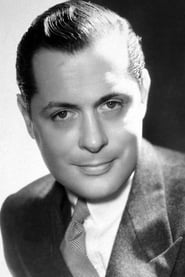
Robert Montgomery
Actor
Born: May 21, 1904 in Beacon, New York, USA Died: September 27, 1981 Active: 1929-1960 Birth Name: Henry Montgomery Jr.
Films
9 films
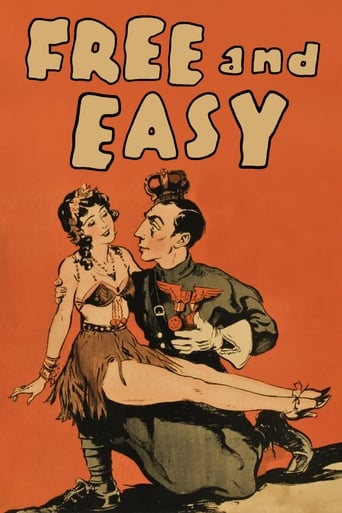
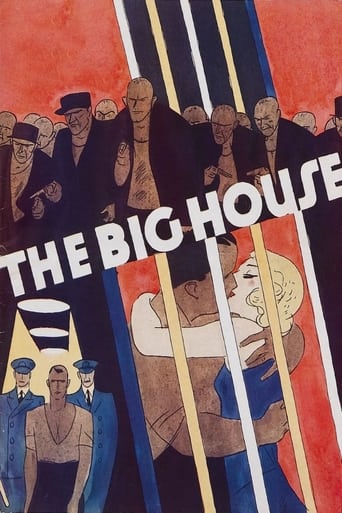
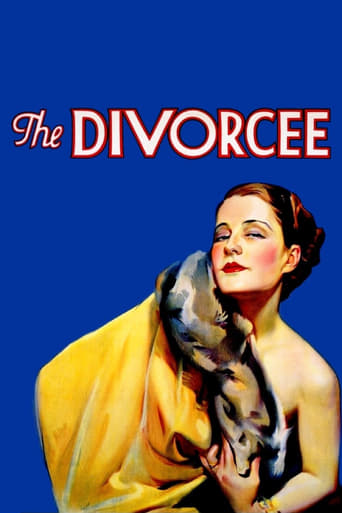
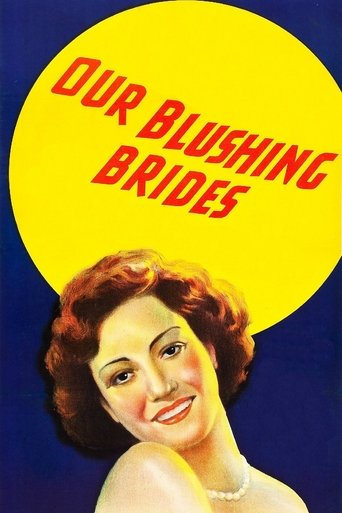
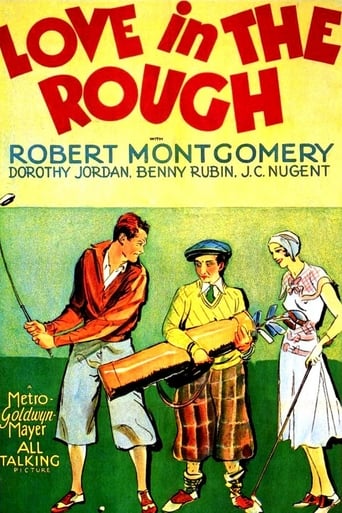

About Robert Montgomery
American actor and director who rose to prominence during Hollywood's Golden Age. Born into a wealthy family, he initially worked on Wall Street before being discovered by MGM and making his film debut in 1929. Montgomery quickly established himself as a sophisticated leading man, known for his charm, wit, and effortless acting style in both dramatic and comedic roles. Throughout the 1930s and 1940s, he starred in numerous successful films, earning critical acclaim and an Academy Award nomination for 'Here Comes Mr. Jordan' (1941). During World War II, he served with distinction in the Navy, participating in D-Day operations and earning several military honors. After the war, Montgomery successfully transitioned to directing, helming notable films including 'The Lady in the Lake' (1947), which experimented with subjective camera techniques. He later became involved in politics, serving as a speech writer and consultant for President Eisenhower, while continuing to work in television and film until his retirement.
The Craft
On Screen
Known for his natural, understated acting style that emphasized charm and sophistication. Montgomery brought a sense of effortless elegance to his roles, whether playing romantic leads or complex dramatic characters. His approach was notably modern for his time, favoring subtlety over theatricality, which made him particularly effective in the transition from silent films to talkies. He excelled at playing witty, urbane characters with a touch of vulnerability, making him a favorite among audiences seeking sophisticated entertainment.
Milestones
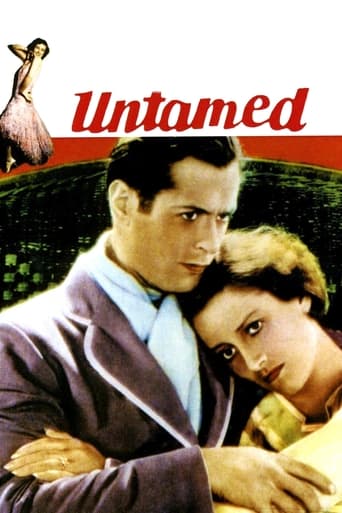
- Film debut in 'Untamed' (1929)
- MGM contract player throughout 1930s
- Academy Award nomination for 'Here Comes Mr. Jordan' (1941)
- President of Screen Actors Guild (1935-1938, 1946-1947)
- WWII Navy service with distinction
- Directorial debut with 'Lady in the Lake' (1947)
- Political advisor to President Eisenhower
- Television host of 'The Robert Montgomery Show'
Best Known For
Iconic Roles
Must-See Films
Accolades
Won
- Academy Award nomination for Best Actor - Here Comes Mr. Jordan (1941)
- New York Film Critics Circle Award for Best Actor - Here Comes Mr. Jordan (1941)
- Golden Globe nomination for Best Director - Ride the Pink Horse (1947)
Nominated
- Academy Award nomination for Best Actor - Here Comes Mr. Jordan (1941)
- Golden Globe nomination for Best Director - Ride the Pink Horse (1947)
- Directors Guild of America nomination for Outstanding Directorial Achievement - Ride the Pink Horse (1947)
Special Recognition
- Hollywood Walk of Fame star (February 8, 1960)
- Presidential Medal of Freedom (posthumous consideration)
- Screen Actors Guild Lifetime Achievement Award
- U.S. Navy decorations including Bronze Star and Legion of Merit
Working Relationships
Worked Often With
Studios
Why They Matter
Impact on Culture
Robert Montgomery significantly influenced Hollywood's transition from silent films to talkies with his natural acting style and clear diction. His sophisticated persona helped define the ideal of the urbane leading man during the 1930s and 1940s. As president of the Screen Actors Guild, he played a crucial role in establishing better working conditions and rights for actors, helping to professionalize the industry. His innovative directing techniques, particularly the subjective camera work in 'The Lady in the Lake,' pushed cinematic boundaries and influenced future filmmakers. Montgomery's involvement in politics also demonstrated how Hollywood figures could impact national discourse, paving the way for later celebrity political activism.
Lasting Legacy
Robert Montgomery's legacy encompasses his contributions as both performer and filmmaker, as well as his impact on the industry through union leadership and political engagement. He is remembered as one of Hollywood's most sophisticated leading men, whose natural acting style helped define the transition to sound cinema. His directorial work, though less extensive than his acting career, showed remarkable innovation and willingness to experiment with cinematic form. Montgomery's service in World War II and subsequent political involvement established a model for celebrity civic engagement. His influence extends through his daughter Elizabeth Montgomery's career and the many actors he mentored or influenced during his tenure as SAG president.
Who They Inspired
Montgomery influenced generations of actors through his naturalistic acting style, which contrasted with the more theatrical approaches common in early sound films. His work as SAG president helped establish precedents for actor rights and industry labor practices that continue to benefit performers today. His directorial experiments with point-of-view cinematography anticipated later developments in subjective filmmaking. In the political realm, he demonstrated how entertainers could effectively participate in civic discourse without compromising their artistic integrity. Many subsequent Hollywood figures, from Ronald Reagan to Warren Beatty, followed the path Montgomery blazed in combining entertainment careers with political engagement.
Off Screen
Robert Montgomery came from a prominent family; his father was the president of the New York Rubber Company. Despite his privileged background, he forged his own path in Hollywood. He married Elizabeth Bryan Allen in 1928, and they had three children together, including actress Elizabeth Montgomery of 'Bewitched' fame. The couple divorced in 1950. Montgomery was known for his intelligence, political awareness, and strong moral character, which led to his leadership roles in the Screen Actors Guild and later in politics. He was a devoted family man and maintained relationships with his children throughout his life.
Education
Attended Pawling School, studied at Dartmouth College (did not graduate), briefly attended Neuchâtel University in Switzerland
Family
- Elizabeth Bryan Allen (1928-1950)
- Elizabeth 'Buffy' Grant Hanks (1950-1981)
Did You Know?
- Was discovered by MGM while working as a stockbroker on Wall Street
- Changed his name from Henry Montgomery Jr. To Robert Montgomery for his film career
- Served as PT boat commander in WWII and participated in D-Day invasion
- Was the first actor to direct himself in a film noir ('The Lady in the Lake')
- Was a close friend and political advisor to President Dwight D. Eisenhower
- His daughter Elizabeth Montgomery became famous for 'Bewitched' (1964-1972)
- Was an accomplished sailor and owned several yachts
- Spoke fluent French, which helped in international diplomacy
- Was offered but declined the role of Rick Blaine in 'Casablanca'
- Founded the short-lived production company Montgomery Productions in the late 1940s
In Their Own Words
Acting is not about being someone different. It's finding the similarity in what is apparently different, then finding myself in there.
The transition from silent pictures to sound was easier for those of us who had stage training. The microphone was just another audience member sitting in the front row.
I've always believed that the best actors are those who can make the audience forget they're watching a performance.
In Hollywood, you have to be careful not to believe your own press clippings, whether they're good or bad.
Directing taught me more about acting than twenty years in front of the camera.
Frequently Asked Questions
Who was Robert Montgomery?
Prominent American actor and on YTB.my. He served as president of the Screen Actors Guild and later became a political advisor to President Eisenhower.
What films is Robert Montgomery best known for?
Titles linked here include Here Comes Mr. Jordan (1941), Night Must Fall (1937).
When was Robert Montgomery born and when did he die?
Born May 21, 1904; died September 27, 1981.
What awards did Robert Montgomery win?
Montgomery received an Academy Award nomination for Best Actor for 'Here Comes Mr. Jordan' (1941) and won the New York Film Critics Circle Award for the same performance. He also received Golden Globe and Directors Guild of America nominations for his directing work.
What was Robert Montgomery's acting style?
Montgomery was known for his natural, understated acting style that emphasized charm and sophistication. He favored subtlety over theatricality, making him particularly effective in talkies, and excelled at playing witty, urbane characters with underlying vulnerability.