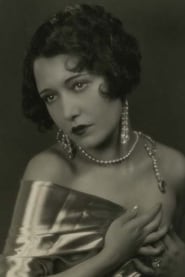
Dorothy Sebastian
Actor
Born: April 26, 1903 in Birmingham, Alabama, USA Died: April 8, 1957 Active: 1925-1938 Birth Name: Dorothy McCue
Films
6 films

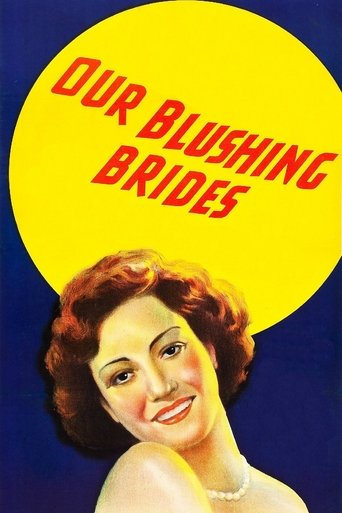
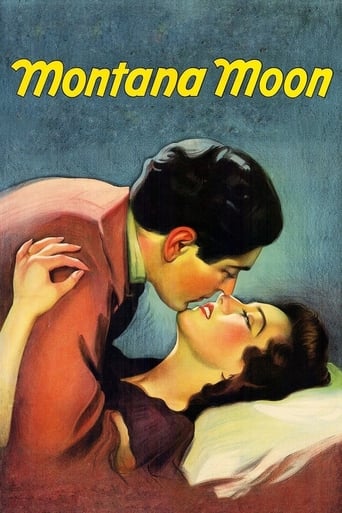
About Dorothy Sebastian
American actress who became a recognizable face in late silent-era and early sound Hollywood, especially through her association with MGM during the peak of the studio system. Born in Birmingham, Alabama, she moved into the film industry during the 1920s and built her reputation playing stylish, modern women in melodramas, comedies, and romance films. Dorothy appears in a number of notable productions opposite some of MGM's biggest stars, including A Woman of Affairs (1928) and Our Dancing Daughters (1928), which helped establish her as a convincing embodiment of the flapper-era screen personality. Her work in The Single Standard (1929), Spite Marriage (1929), and Our Blushing Brides (1930) kept her visible as Hollywood transitioned from silent pictures to sound, although her career did not sustain the same momentum in the early talkie period. Sebastian was admired for her beauty, poise, and screen presence rather than for showy theatricality, and she fit especially well into sophisticated urban dramas and light society pictures. After only a brief stretch near the center of Hollywood production, her film career diminished and she later withdrew from the level of stardom she had briefly approached, leaving behind a compact but memorable body of work from one of cinema's most transitional eras.
The Craft
On Screen
Dorothy Sebastian's screen style was polished, attractive, and contemporary, reflecting the poised modern woman roles favored by MGM at the end of the silent era. She was most effective in parts that emphasized elegance, social ease, and a lightly sardonic or worldly demeanor rather than broad emotional display. Like many actors of her generation, she relied on physical expressiveness, facial nuance, and wardrobe-supported character identity in silent films, then adapted to early sound cinema with a straightforward, unaffected delivery. Her performances typically projected confidence and glamour, making her well suited to society dramas, romantic stories, and ensemble features built around urban sophistication.
Milestones
- Became a recognizable MGM player in the late silent era, appearing in major studio productions during one of Hollywood's most fashionable periods.
- Appeared in A Woman of Affairs (1928), one of MGM's prestigious literary and romantic dramas, helping position her among the studio's elegant young supporting players.
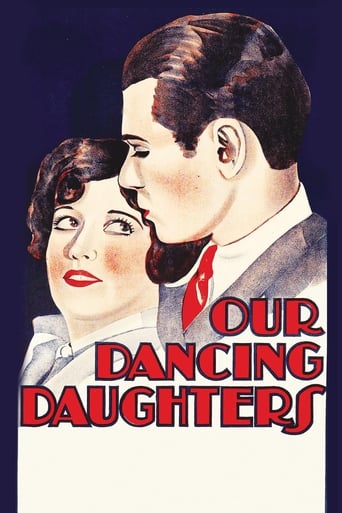
- Played a prominent role in Our Dancing Daughters (1928), a landmark flapper-era film closely associated with the changing image of modern womanhood on screen.
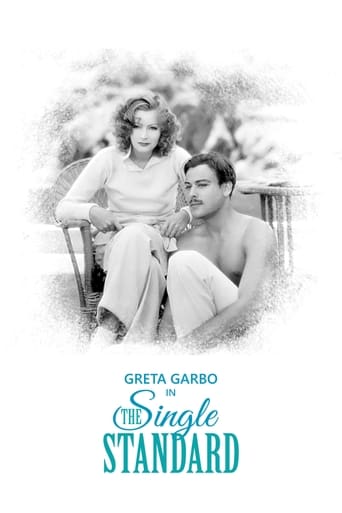
- Worked in The Single Standard (1929), a Greta Garbo vehicle that connected her with one of MGM's most celebrated stars.
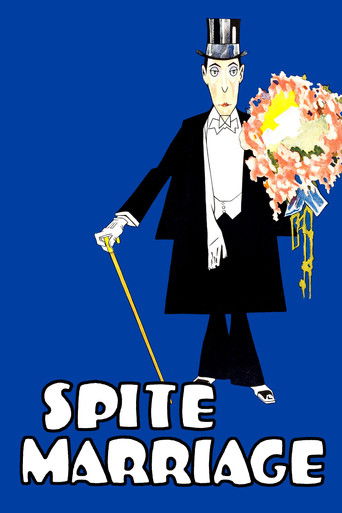
- Appeared in Spite Marriage (1929) with Buster Keaton, giving her exposure in a major comedy feature from the silent era's final years.
- Continued into early sound features such as Our Blushing Brides (1930), showing an ability to bridge silent and talking pictures.
- Maintained a career that extended beyond her best-known MGM years into later 1930s film work and stage-related entertainment, though with less prominence than during her peak.
Best Known For
Iconic Roles
Must-See Films
Working Relationships
Worked Often With
Studios
Why They Matter
Impact on Culture
Dorothy Sebastian was part of the generation of actresses who helped define the image of the late-1920s modern woman on screen: fashionable, mobile, socially aware, and visually distinct. While she was not a top-tier star on the level of Greta Garbo or Joan Crawford, she contributed meaningfully to the MGM screen world that shaped audience perceptions of sophistication and femininity during the final years of silent film. Her appearances in important transitional pictures place her in the historical conversation about how Hollywood moved from silent glamour to early sound realism. For classic film historians, Sebastian is valuable as a representative figure of the polished supporting actress whose presence completed the texture of major studio productions.
Lasting Legacy
Sebastian's legacy lies in the quality and timing of her work rather than in a long-running star persona. She is remembered today by classic-film enthusiasts for her roles in key MGM titles from 1928 to 1930, especially for the way she embodied the socialite, flapper, and modern urban woman archetypes of the period. Her career offers a useful example of how many capable performers of the silent era did not make the full leap into sustained sound-film prominence, even when they had significant visibility in prestige productions. In film history, she stands as a vivid but often under-credited contributor to late silent and early talkie Hollywood, with appearances that continue to be rediscovered through preservation and retrospective viewing.
Who They Inspired
Dorothy Sebastian influenced film culture mainly through the screen type she represented rather than through a documented school of direct artistic followers. Her poise and fashion-conscious screen image contributed to the broader template of late-1920s feminine glamour that later actresses would continue to refine. Because she worked in high-profile MGM features, she participated in the visual and narrative vocabulary that shaped audience expectations for sophisticated women in Hollywood cinema. Her influence is therefore indirect but real, as part of the ensemble of performers who normalized the flapper and society-girl archetypes in mainstream American film.
Off Screen
Dorothy Sebastian was born Dorothy McCue and lived a personal life that was reported on at various times in the entertainment press, though she never achieved the kind of long-term star celebrity that made every private detail widely documented. Historical records indicate that she married and later divorced, but the surviving public record is not always consistent in secondary sources about the exact chronology of her domestic life. She had no widely documented children in standard reference sources. Like many actresses of her era, her private life was often treated as part of her public image, but the enduring historical focus remains on her brief Hollywood career rather than on family notoriety.
Education
No detailed formal education history is consistently documented in major classic-cinema reference sources; she was known primarily as a performer who entered the film industry while still young.
Family
- Jack Dempsey (reported marriage; later separated/divorced in some accounts)
- Other marriages are not consistently documented in major reference sources
Did You Know?
- She was born Dorothy McCue, though she became widely known by her stage name Dorothy Sebastian.
- Her career peak came during the transition from silent films to sound films, a difficult period for many actresses.
- She appeared in both dramatic prestige pictures and comedy features, showing unusual versatility for a supporting star of the era.
- Her role in Spite Marriage linked her to Buster Keaton, one of silent comedy's greatest figures.
- She was associated with MGM, the studio most closely identified with glossy star production in the late 1920s.
- Despite her appeal and visibility, she never achieved the long-term A-list stardom that some of her contemporaries did.
- She is especially remembered by classic film fans for the fashionable, contemporary characters she played in flapper-era stories.
- Her screen career is often discussed in histories of actresses who made the jump from silent glamour into the early talkies with mixed results.
Frequently Asked Questions
Who was Dorothy Sebastian?
American film actress best known for her work in late silent-era and early sound Hollywood. She appeared in several MGM productions in the late 1920s and is remembered for portraying stylish, modern women in major studio films.
What films is Dorothy Sebastian best known for?
Titles linked here include Our Dancing Daughters (1928), A Woman of Affairs (1928).
When was Dorothy Sebastian born and when did she die?
Born April 26, 1903; died April 8, 1957.
What awards did Dorothy Sebastian win?
No major industry awards or Oscar nominations are consistently documented for Dorothy Sebastian in the standard classic-cinema record. Her recognition today comes mainly from her film appearances and her place in late silent and early sound film history.
What was Dorothy Sebastian's acting style?
Her acting style was polished, elegant, and restrained, with a focus on expressive screen presence rather than broad dramatic display. She was especially effective in roles that called for sophistication, modern femininity, and social confidence.
What was Dorothy Sebastian's legacy in film history?
Her legacy is that of a strong supporting actress who helped define the visual style of late-1920s Hollywood glamour. She remains a useful and memorable figure for understanding how silent-era screen personalities adapted, or failed to fully adapt, to the coming of sound.